Wedding Videography7 min read
Wedding videography basics
A wedding film is not one product. It is at least four, sold under one word, which is why two quotes for the same day can differ by two thousand euro and both be honest.

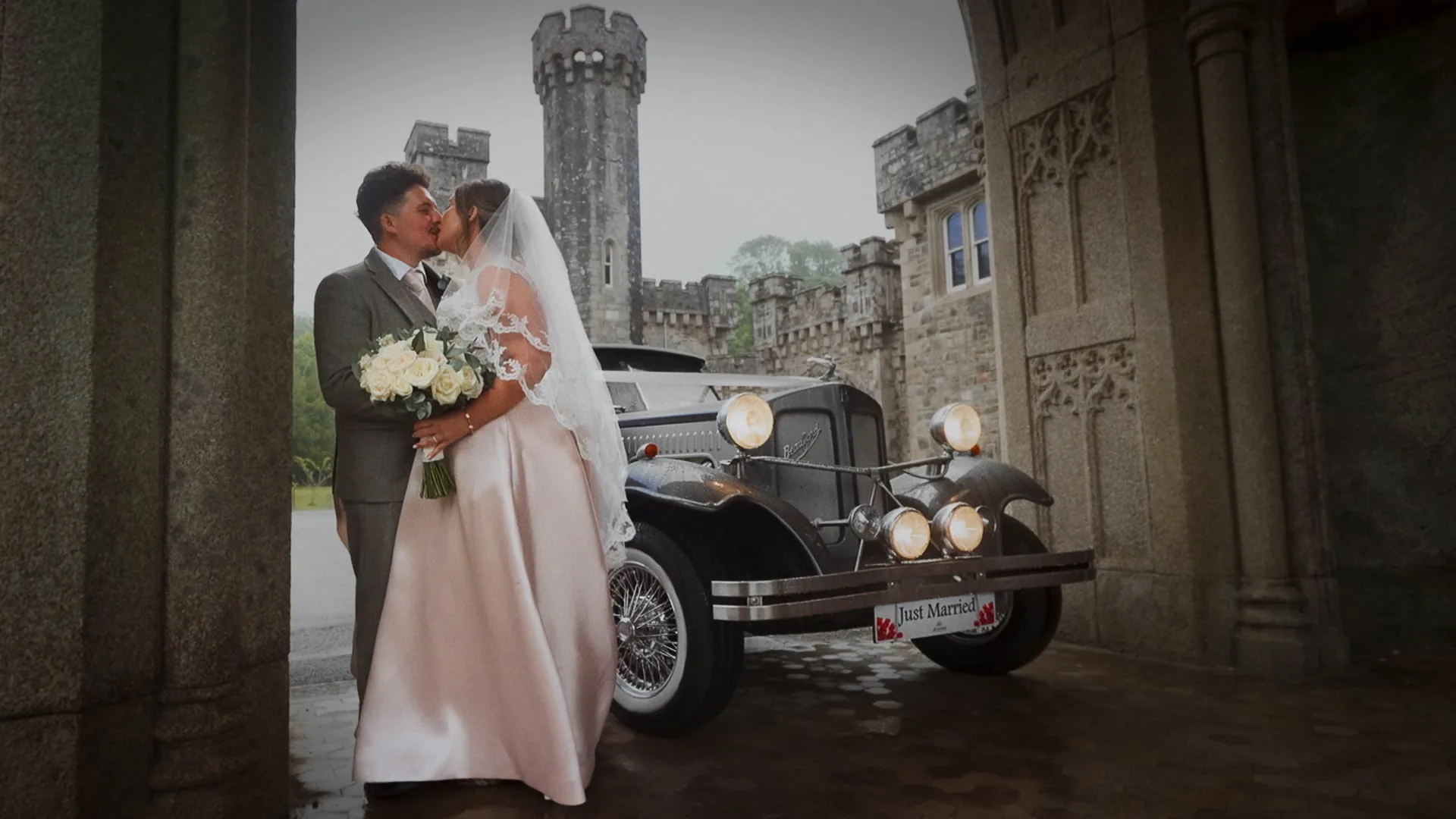
Films from Irish weddings, in every format we make.See the work
Two quotes arrive. Both say wedding film. One is a three minute piece set to music, the other is an hour long record with the ceremony inside it, and nobody has explained the difference because the trade has never agreed on what any of the words mean.
Here is the vocabulary, as plainly as we can put it.
Four things get called a wedding film
- Highlight. One to six minutes. Music-led, cut out of order, the vows and speeches in fragments. The thing people watch on a phone at work.
- Feature. Twenty to ninety minutes. Chronological, keeps whole speeches and the ceremony. Closer to a documentary than to a music video.
- Documentary cut. A linear account from getting ready to the first dance, with natural sound. Lengths vary wildly because nobody agrees what the word means, including us, which we say in that piece.
- Full ceremony and full speeches. Not a film at all. A record, usually two separate files, for the people who want every word of it.
Most couples are really choosing between the first two. The other two are line items, and they are the ones quietly missing from a quote until somebody asks.
Format is not style
Format is length, structure and what gets delivered. Style is how it looks: handheld and observational, or steady and composed, or somewhere between. A couple can buy a documentary format in a cinematic style and every word of that is true.
The confusion is not the couple's fault. It is a trade that spent twenty years inventing names for the same four things. Cinematographer, storyteller, artist, highlight, teaser, trailer, and no agreement on what a five minute film should be called.
Ten weddings,
viewed properly.
There is confetti, a dog underfoot, a small committee of Irish wolfhounds and two grooms making a run for it. Press play and put the sound on. The still frames only get you so far.
See the full gallery


What a videographer is doing all day
Not filming continuously. Watching. Setting a frame before something happens, moving when it is over, checking a microphone nobody can see, standing in a doorway for eleven minutes because the light is right and the mother is about to come through it.
The visible part is a small percentage of the day, which is why the sound work and the way a film gets its shape matter more than the camera on the poster.
How the day gets sold
Irish studios mostly price by milestone rather than by hours: ceremony to first dance, getting ready to dinner, the whole day. That is a more honest unit than an hourly rate, because a wedding does not divide evenly into hours and the last hour of the night is not the same work as the first.
So a quote for eight hours and a quote for ceremony to first dance may not describe the same afternoon. Ask what time they arrive and what time they leave, not how many hours are included.
The technical half
We film on Sony cinema bodies with DJI gimbals and drones, and we carry more audio than the day appears to need. Over two hundred weddings in Ireland since 2020. Nothing lost in that time: everything copied onto separate drives before an edit starts. About three months to a finished film.
The finished thing is a page of its own rather than a file in an email: the film, the speeches and the highlights, downloadable and shareable with anyone who wants to watch it.
Vertical, immediate,
a little nosy.
We film wedding content on pocket cinema cameras, from morning preparations until the dancing. Short, vertical pieces with the glances, voices and dance-floor evidence that tend to travel first.
See wedding content creationQuestions worth asking
- What arrives, and how long each piece is. A number and a format, not the word cinematic.
- Is the ceremony in it, and in full. Some films contain four seconds of ceremony. Some contain all of it.
- How the sound is recorded. If the answer is the camera's own microphone, ask what happens in a church.
- What it is delivered on, and whether your family can watch it without an app.
- How long they have been doing this, and whether they have filmed your kind of wedding.
The honest answer
No format is better than another. A three minute highlight can be the best thing you own, and an hour long record can be dull as a wet Tuesday.
What decides it is whether somebody chose well: what to keep, what to cut, and where to stand while it was happening.