Choosing Coverage4 min read
Wedding content creator vs photographer
The question usually arrives as a favour: if the photographer is there all day with a good camera, could they not take a few videos as well. No. Not because of the camera.
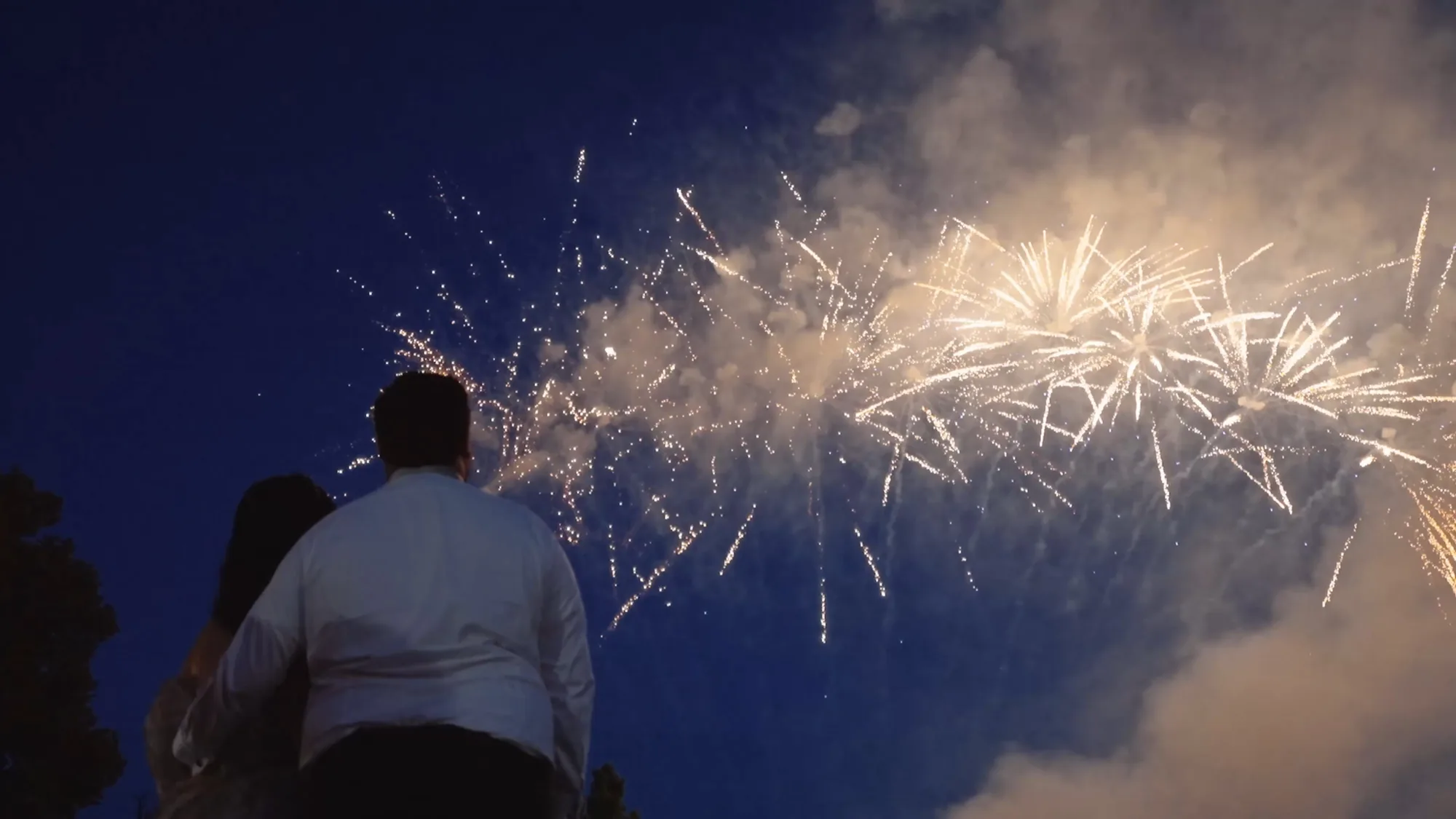
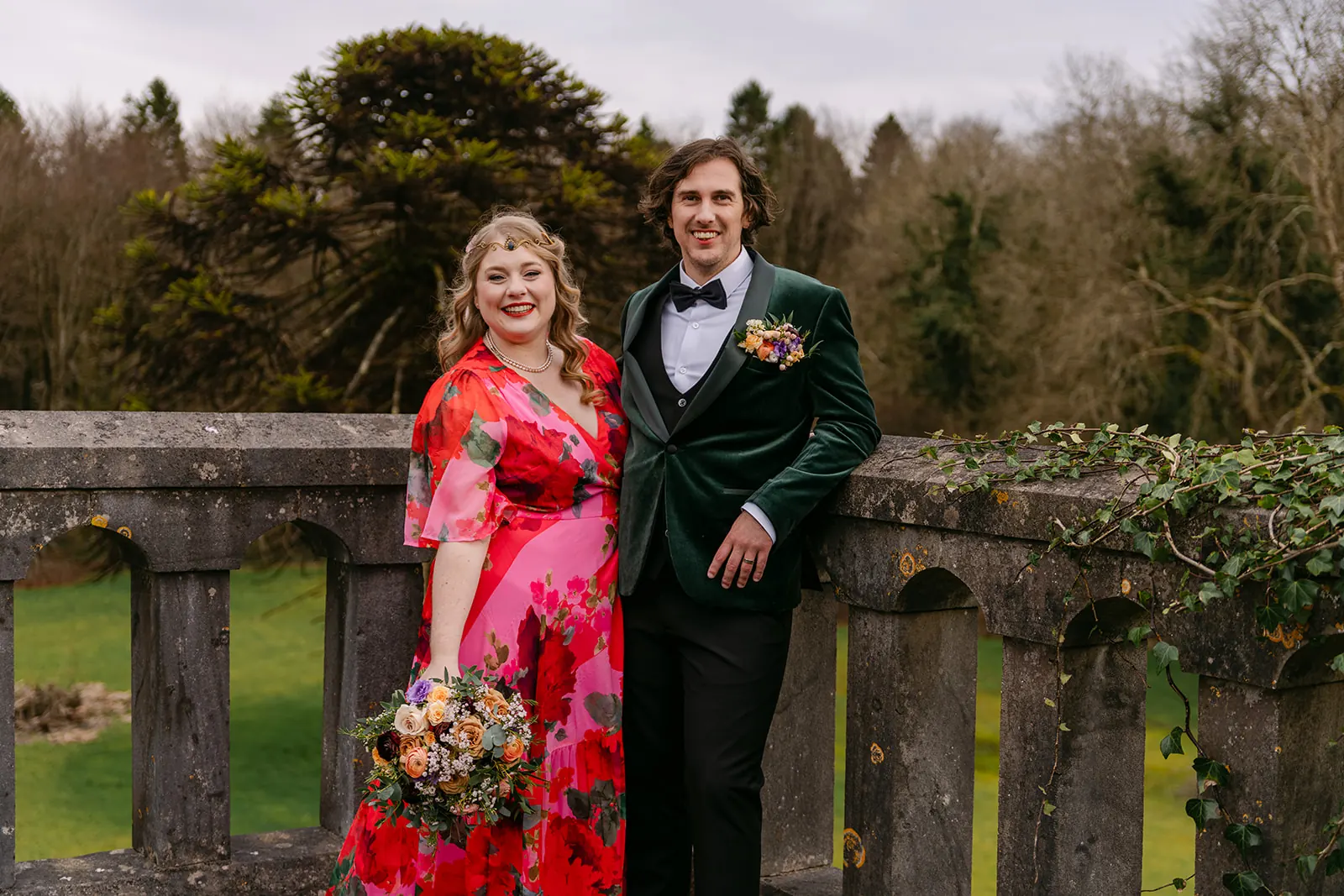
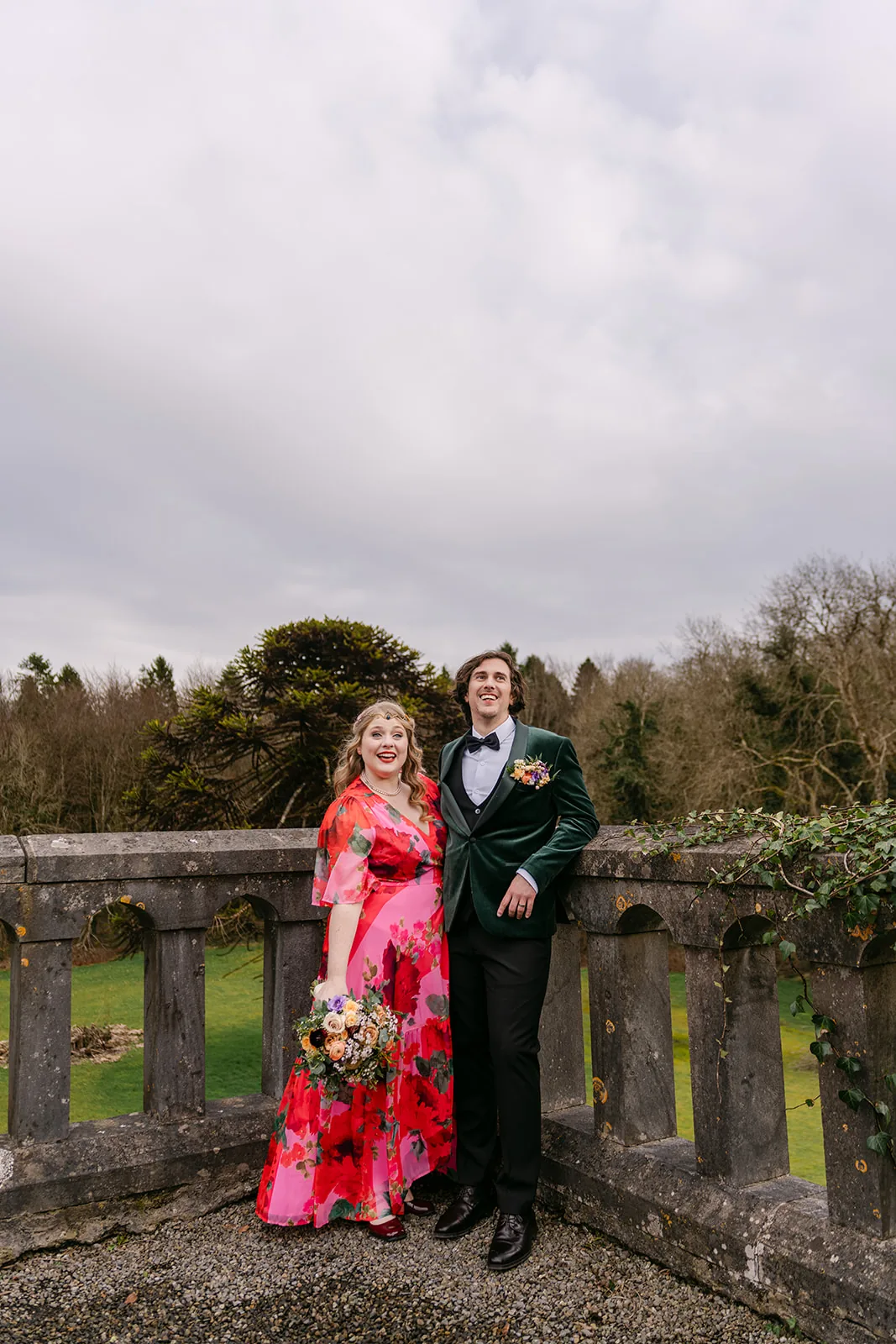
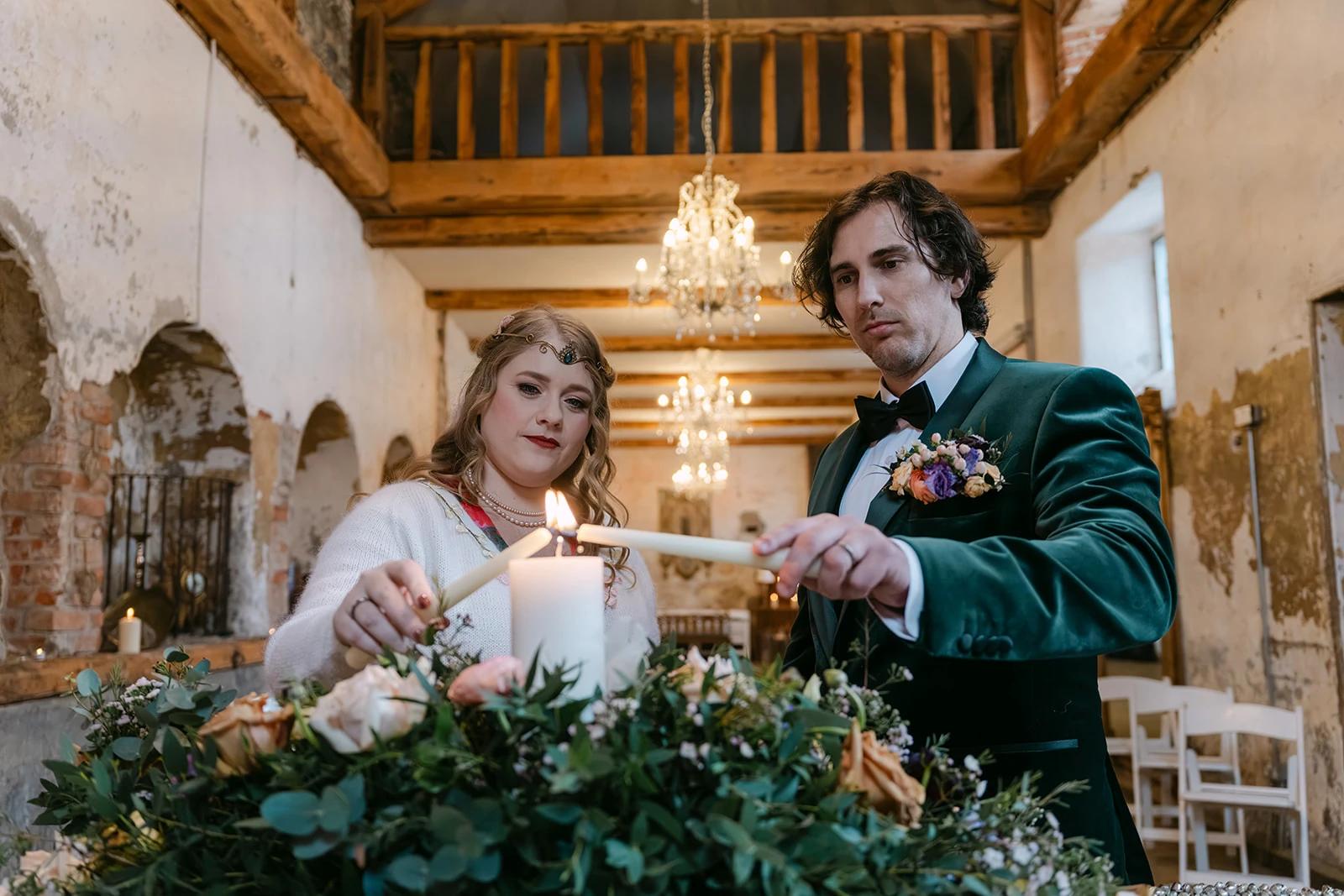
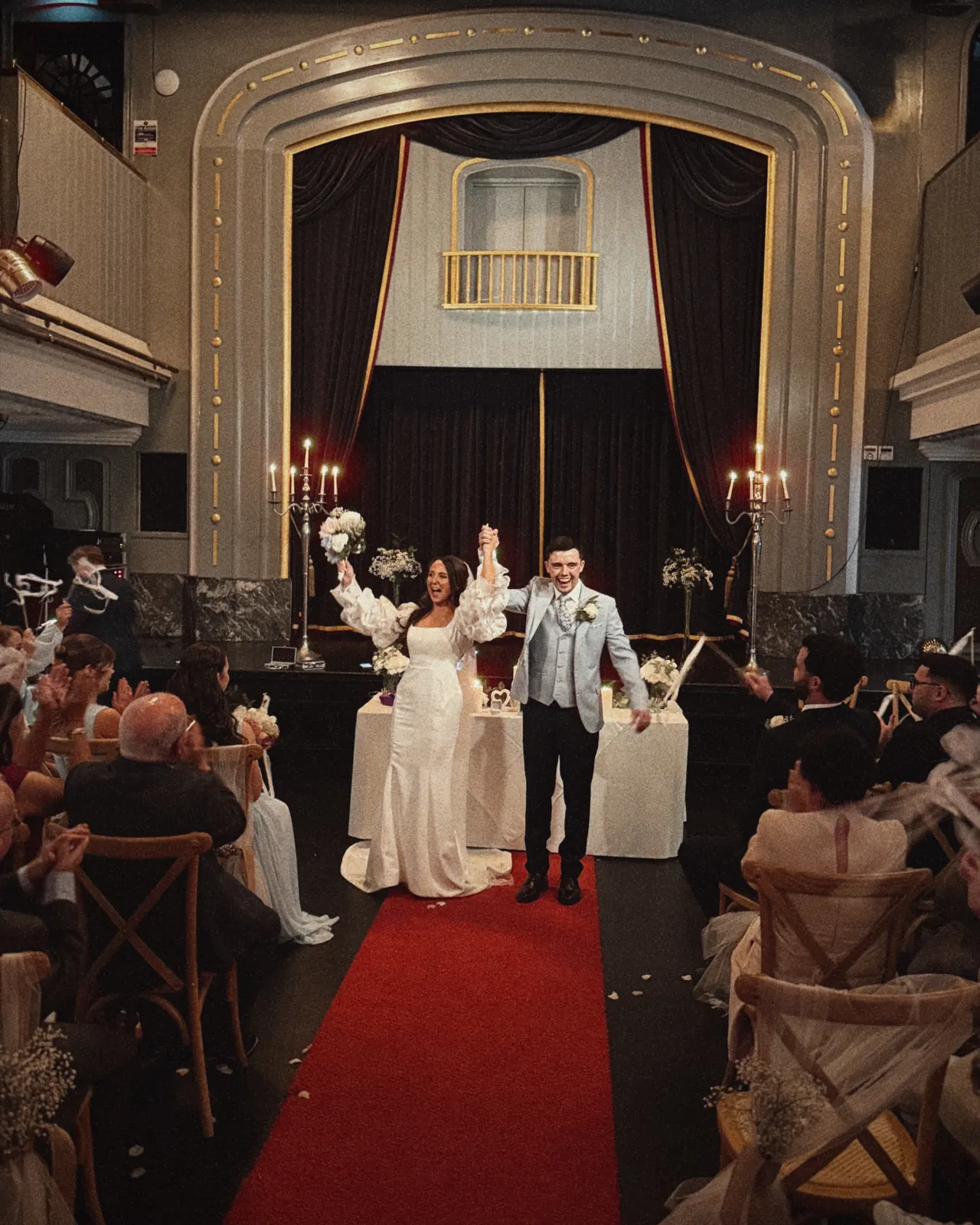
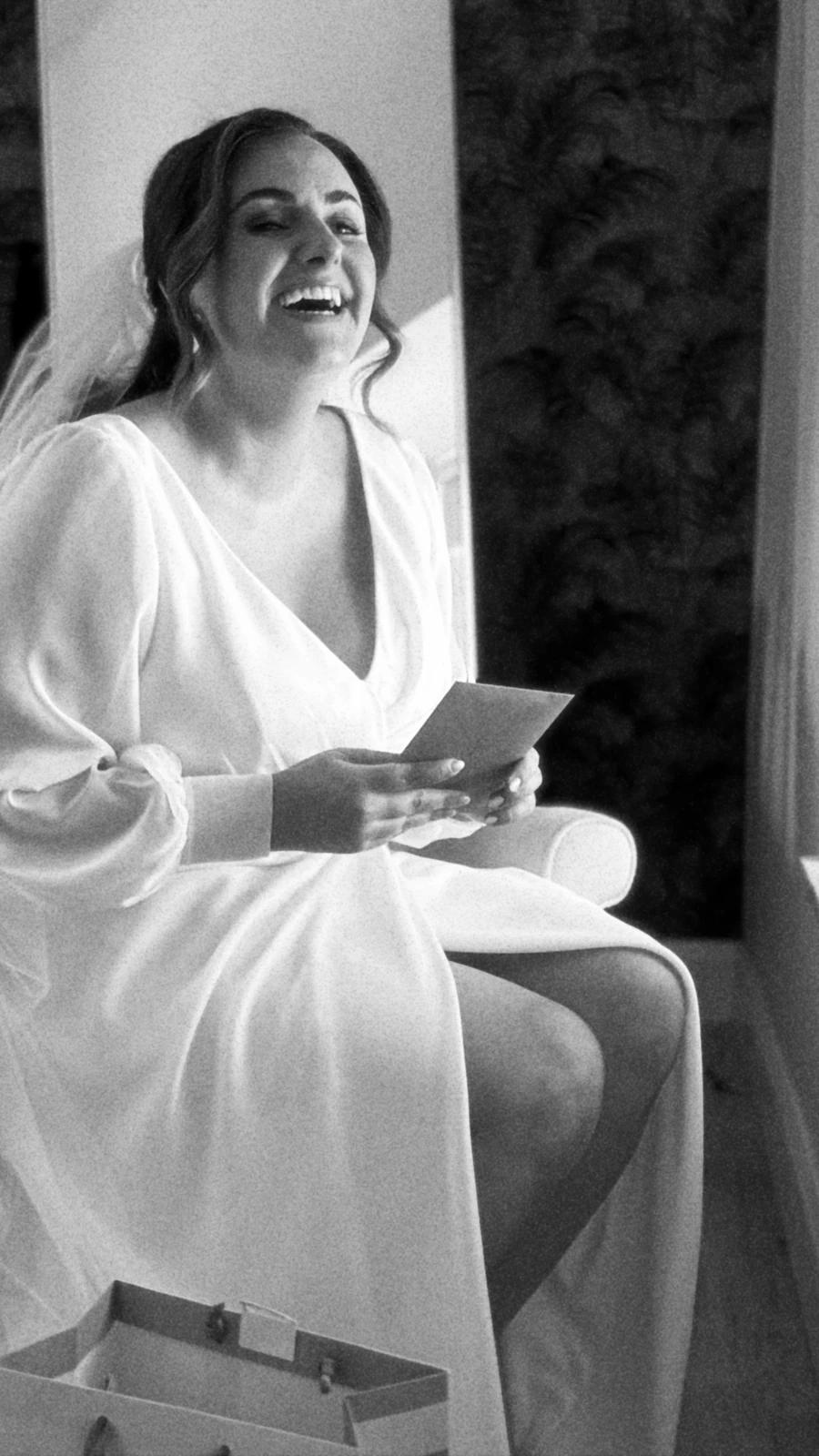
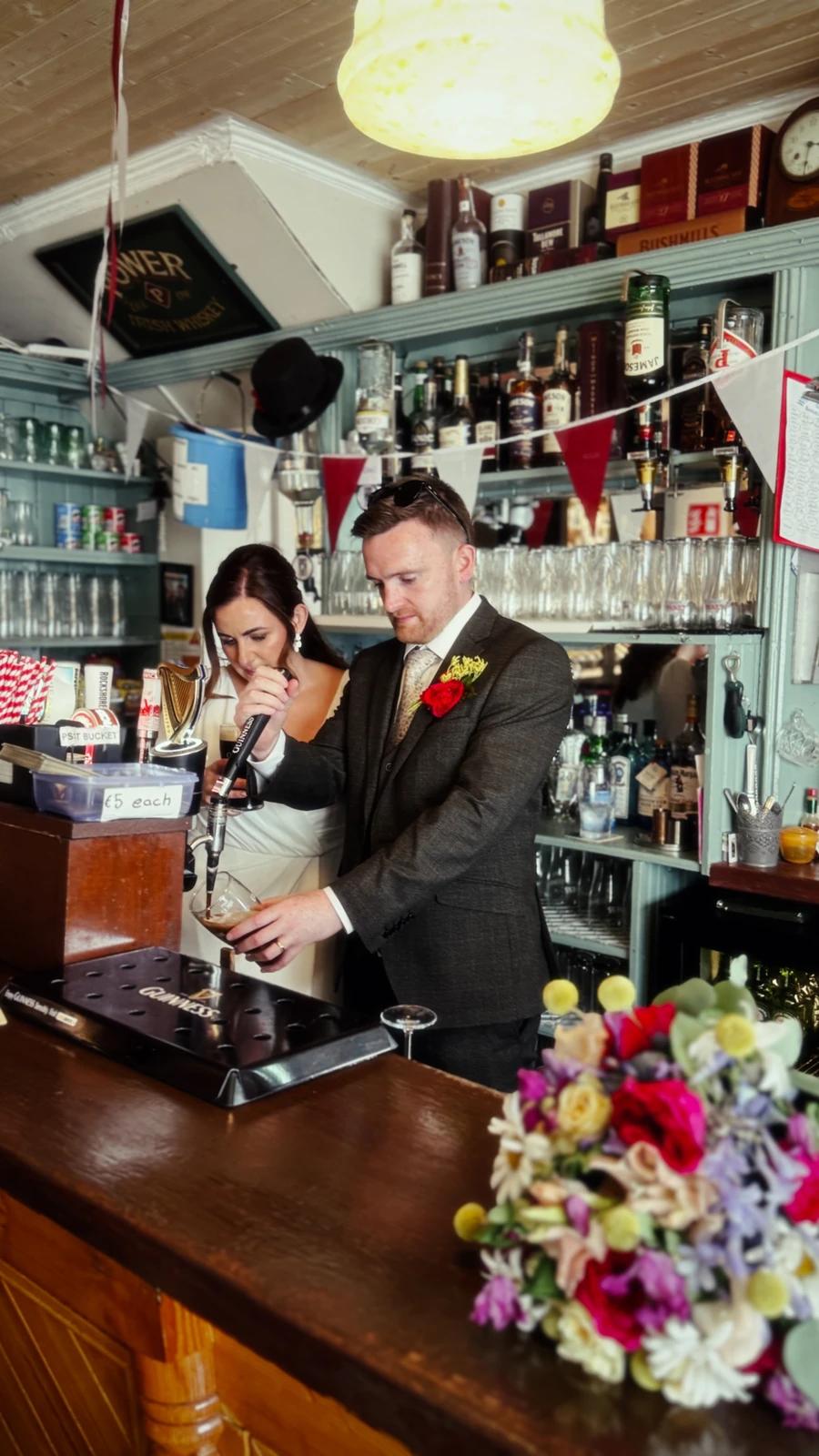
Stills and vertical content from the same hour of the same day.See the work
The question arrives politely, usually in the same email as the deposit. If the photographer is there all day with a good camera, could they not take a few videos as well, and save the money.
No, and the reason is not the camera.
Vertical, immediate,
a little nosy.
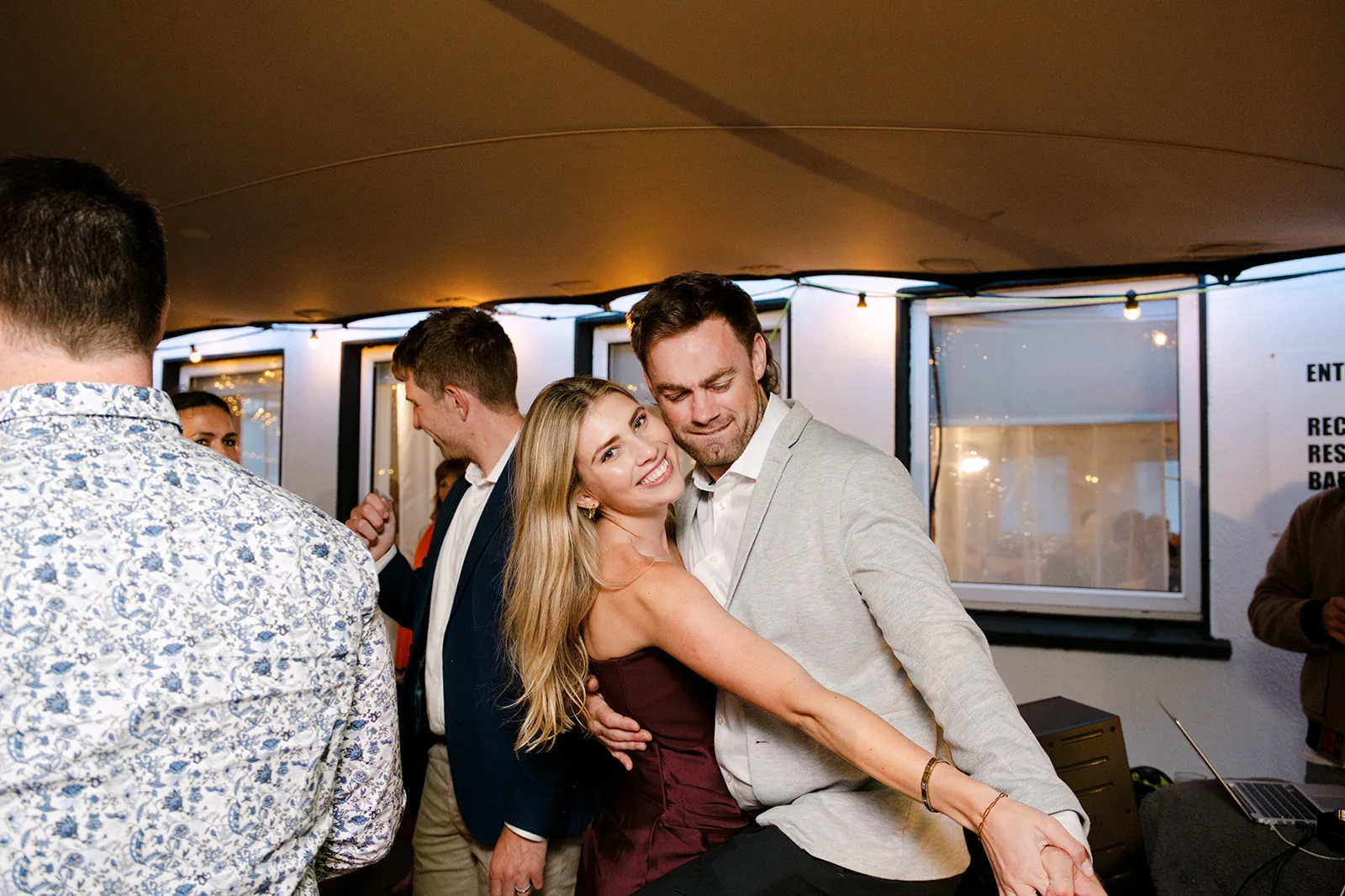
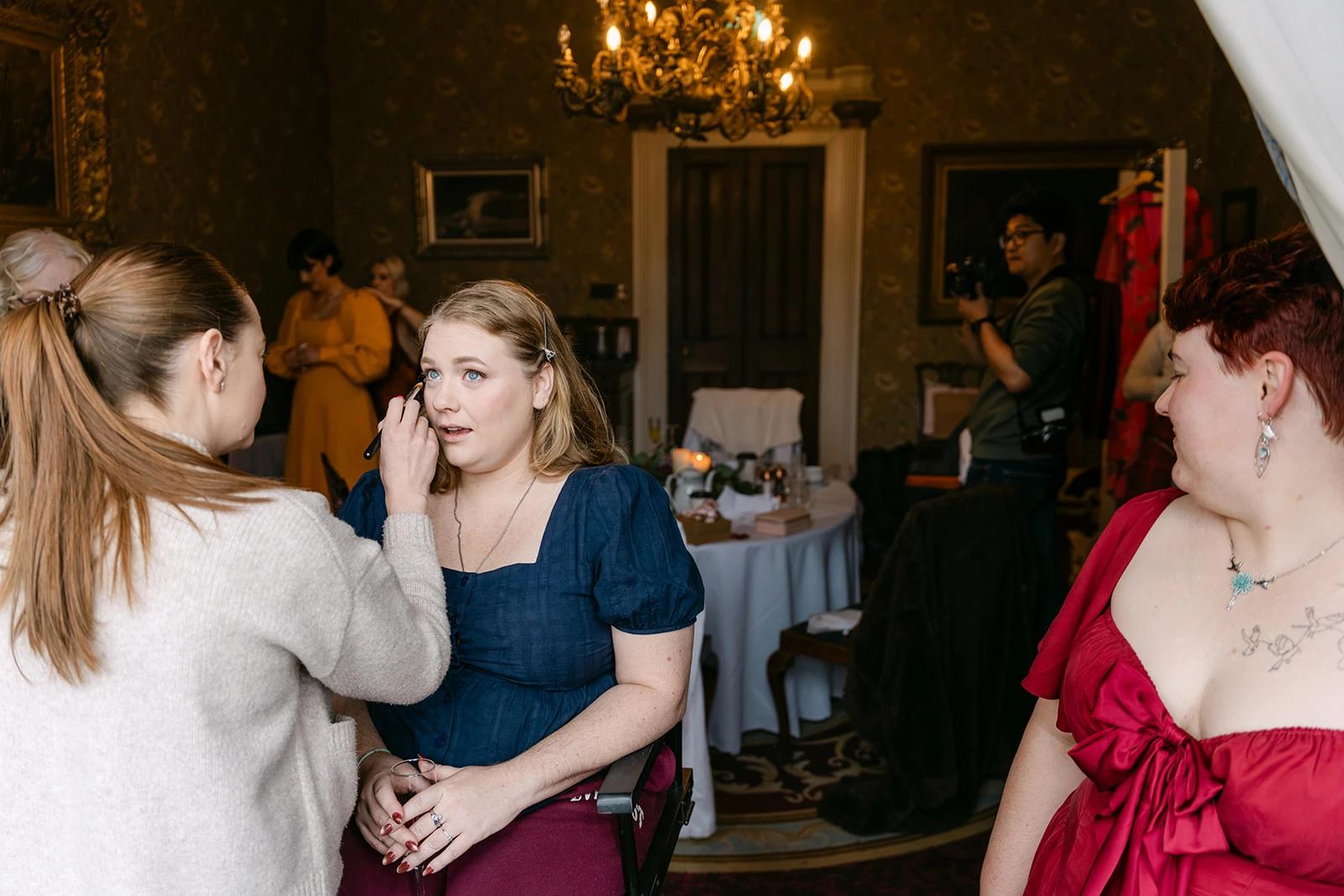
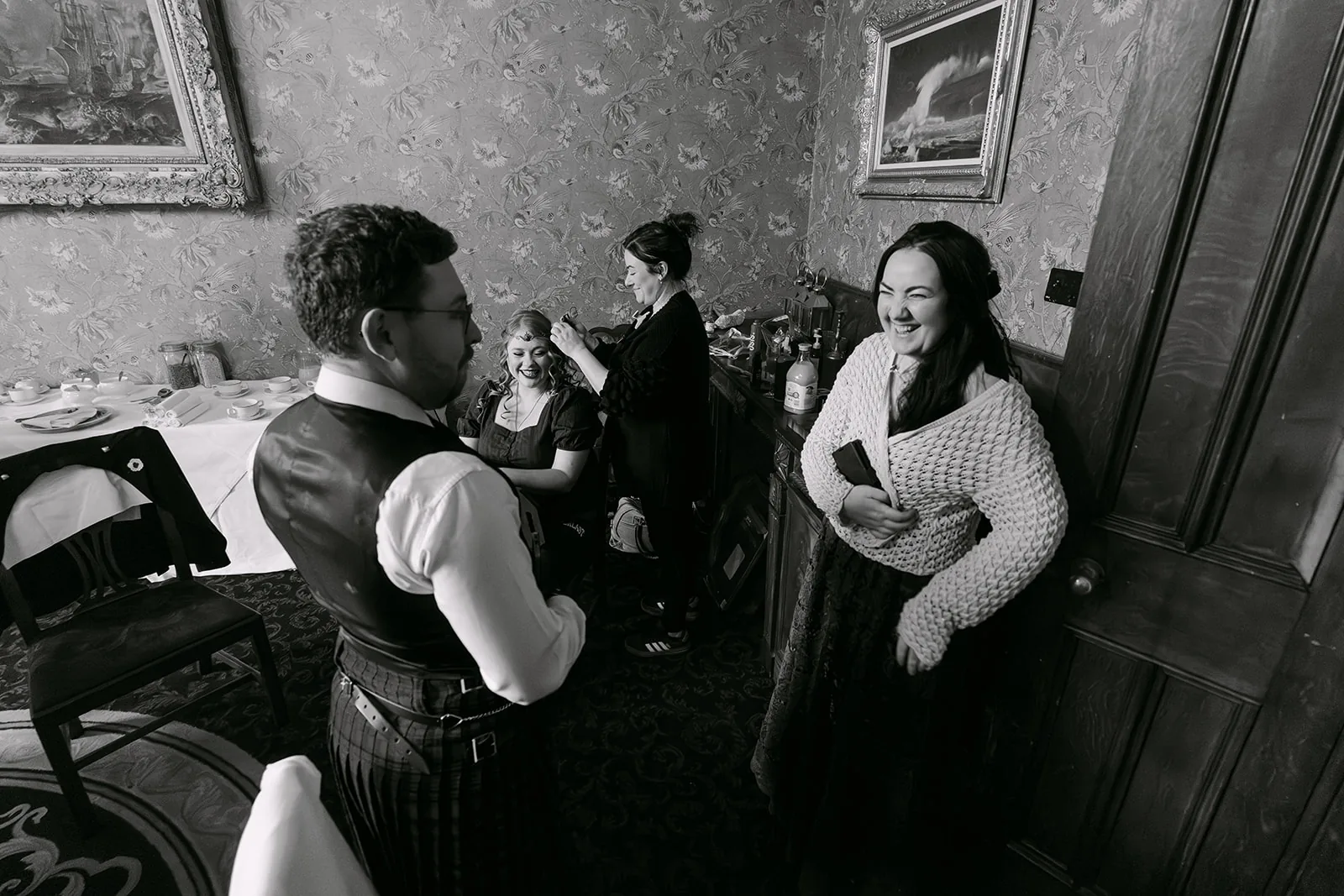
We film wedding content on pocket cinema cameras, from morning preparations until the dancing. Short, vertical pieces with the glances, voices and dance-floor evidence that tend to travel first.
See the full galleryA photograph is a still. That is the job.
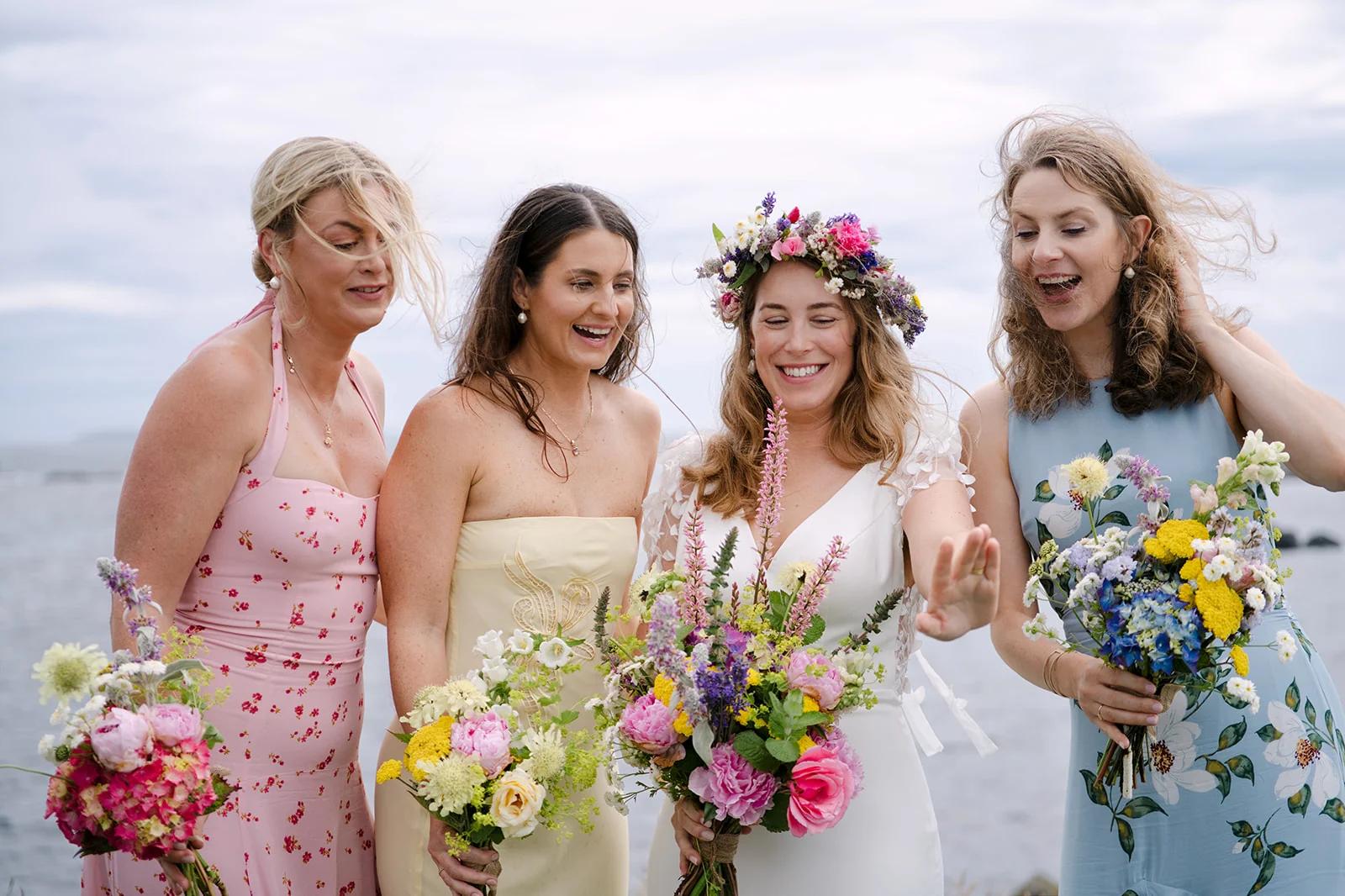
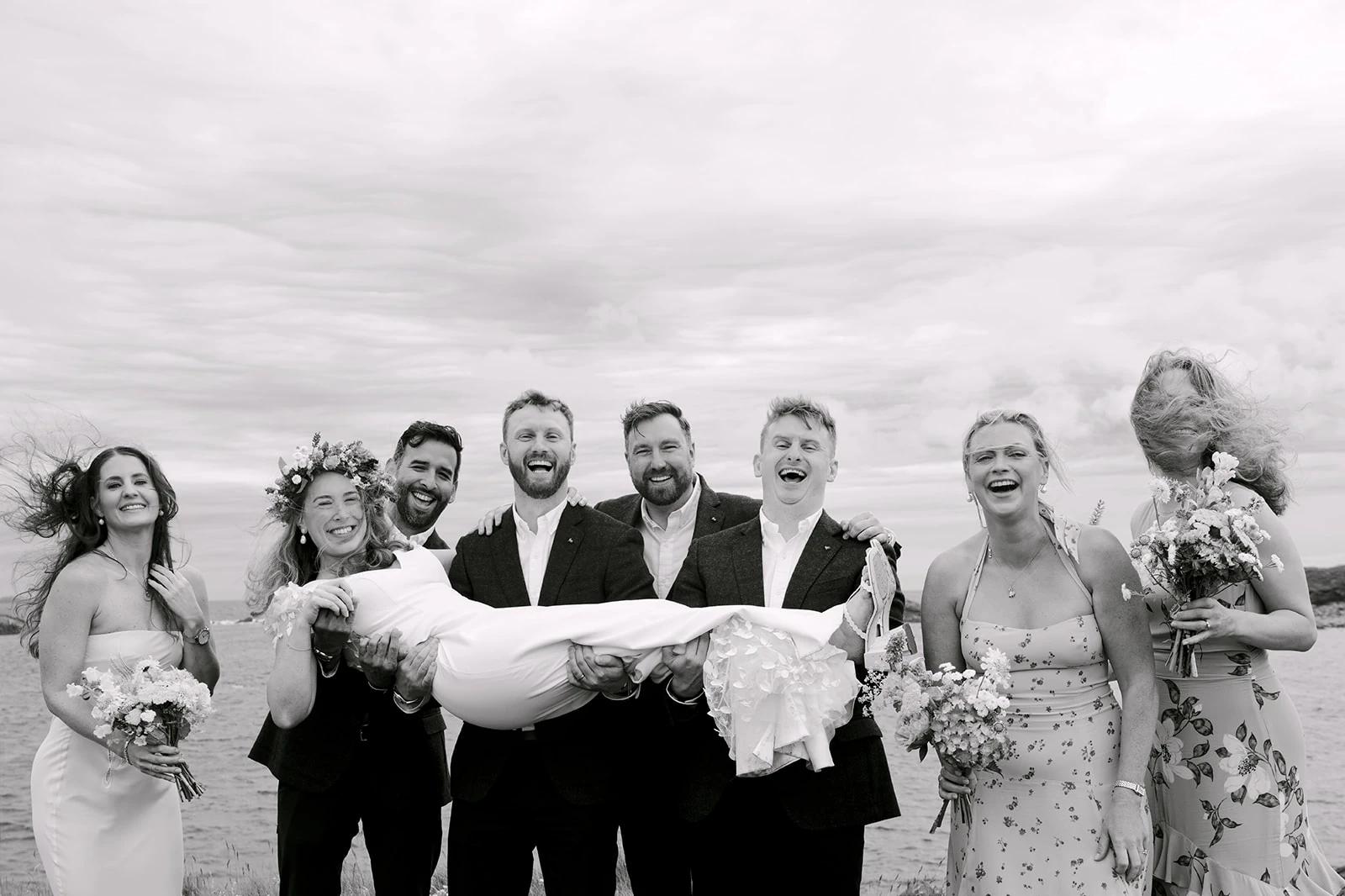
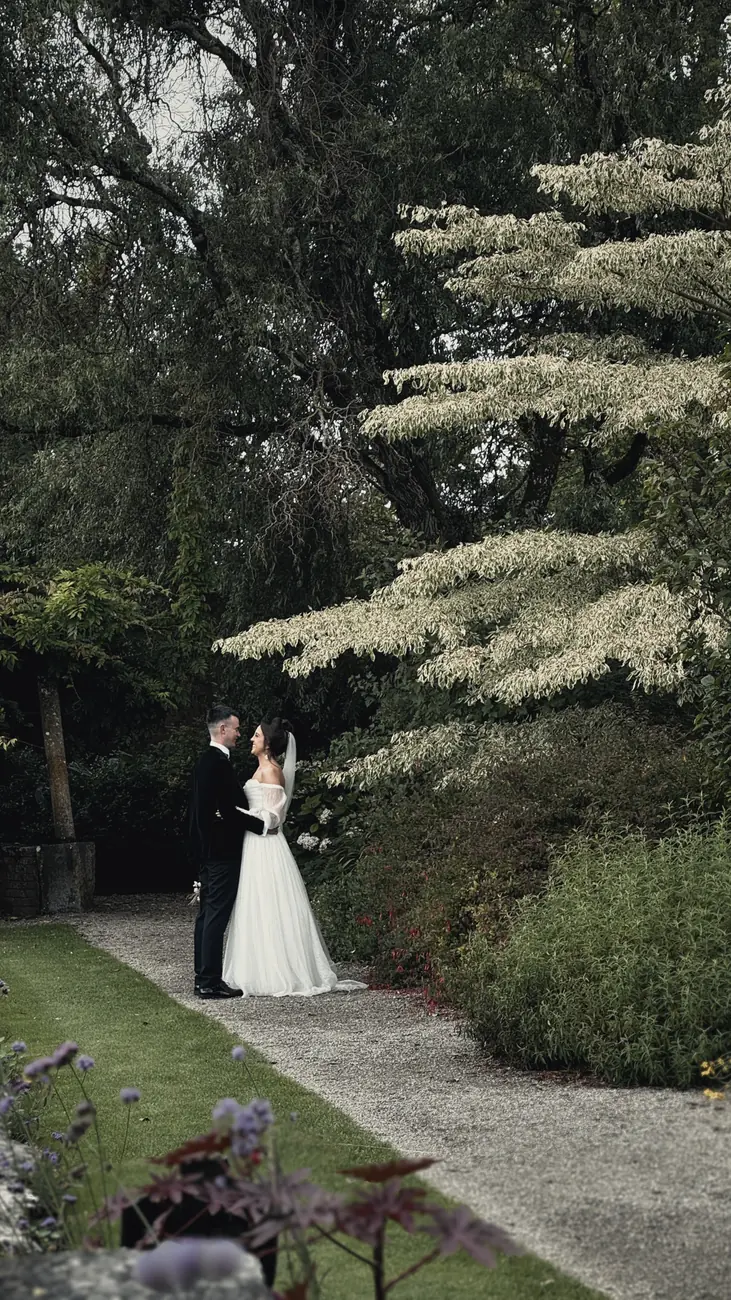
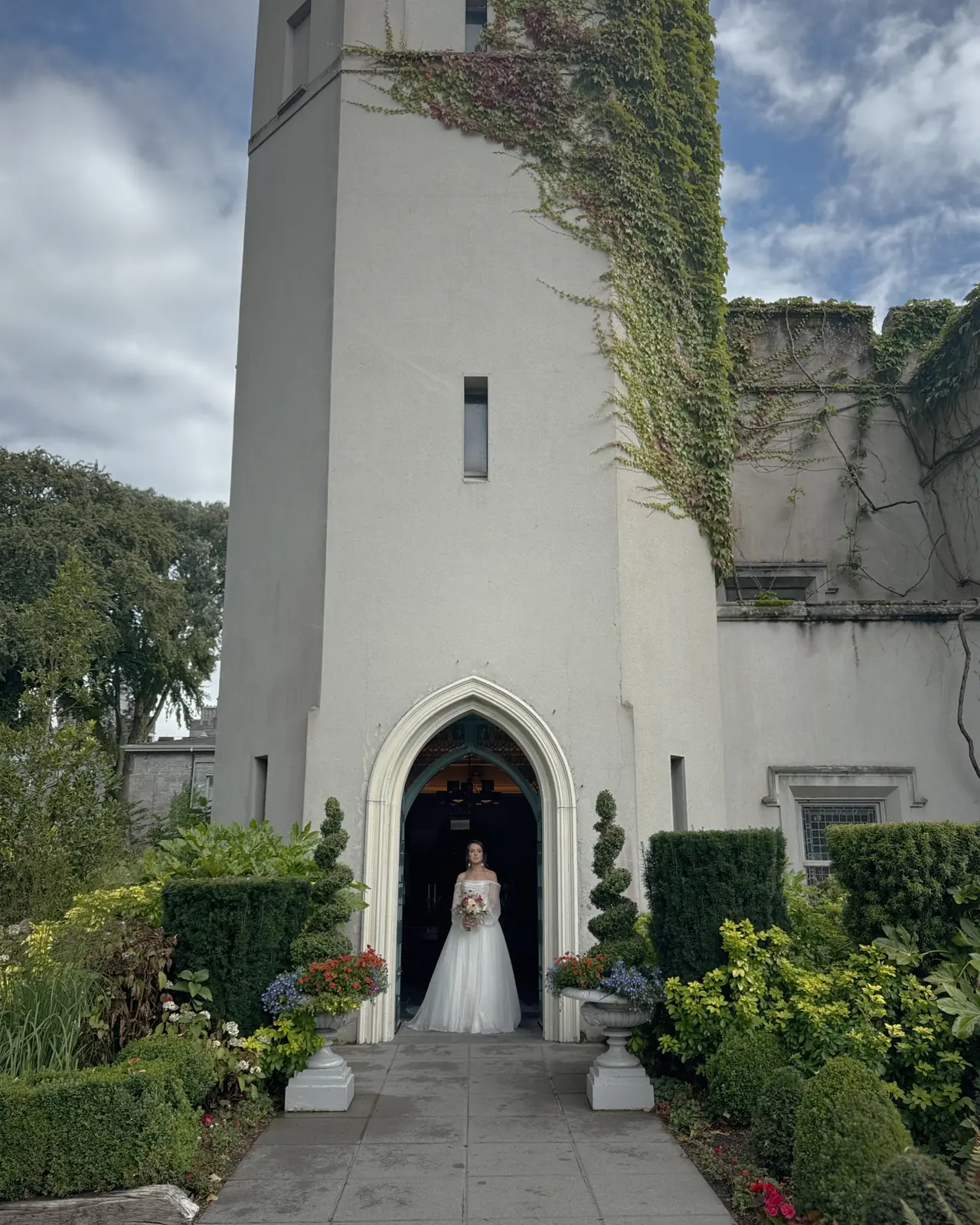
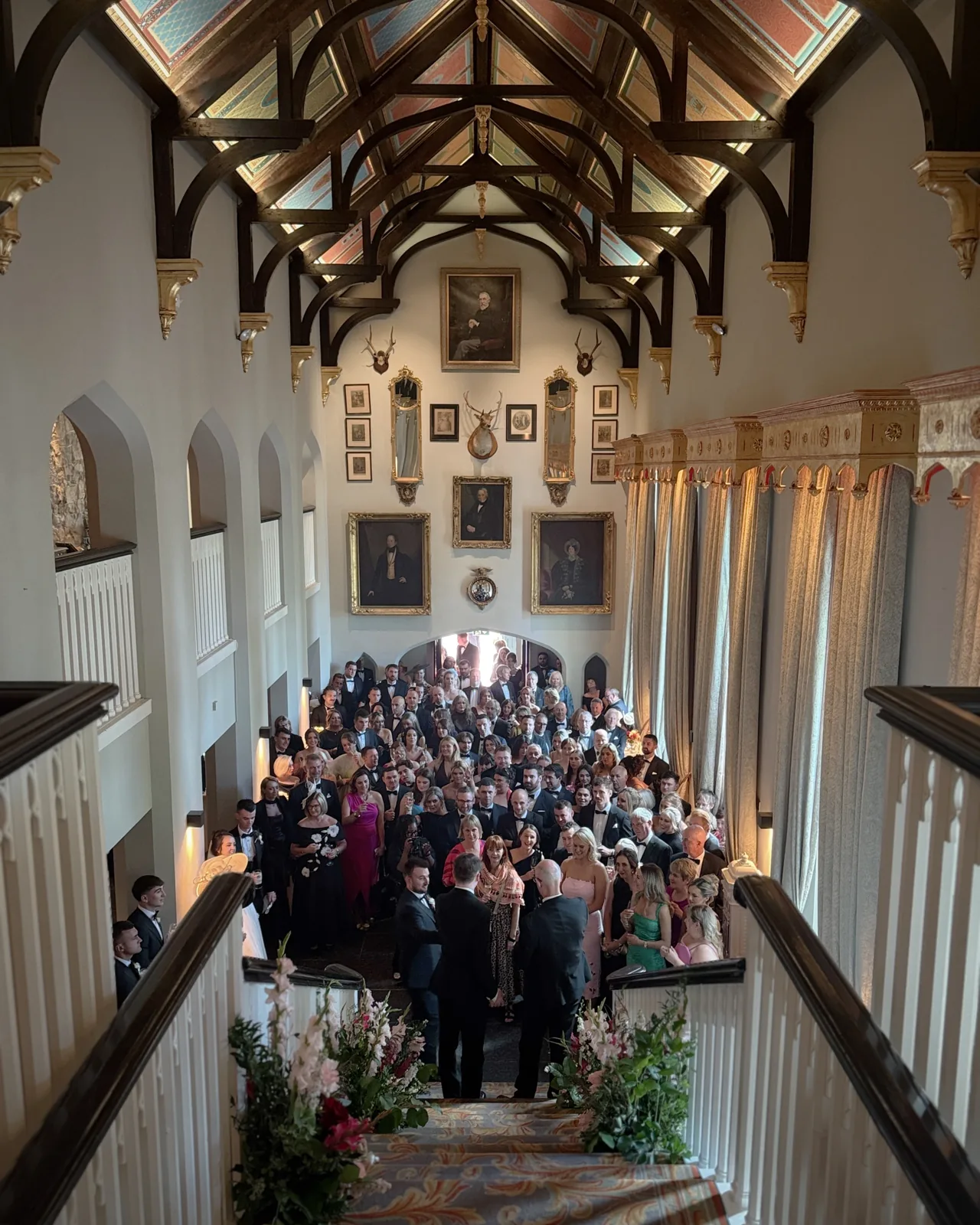
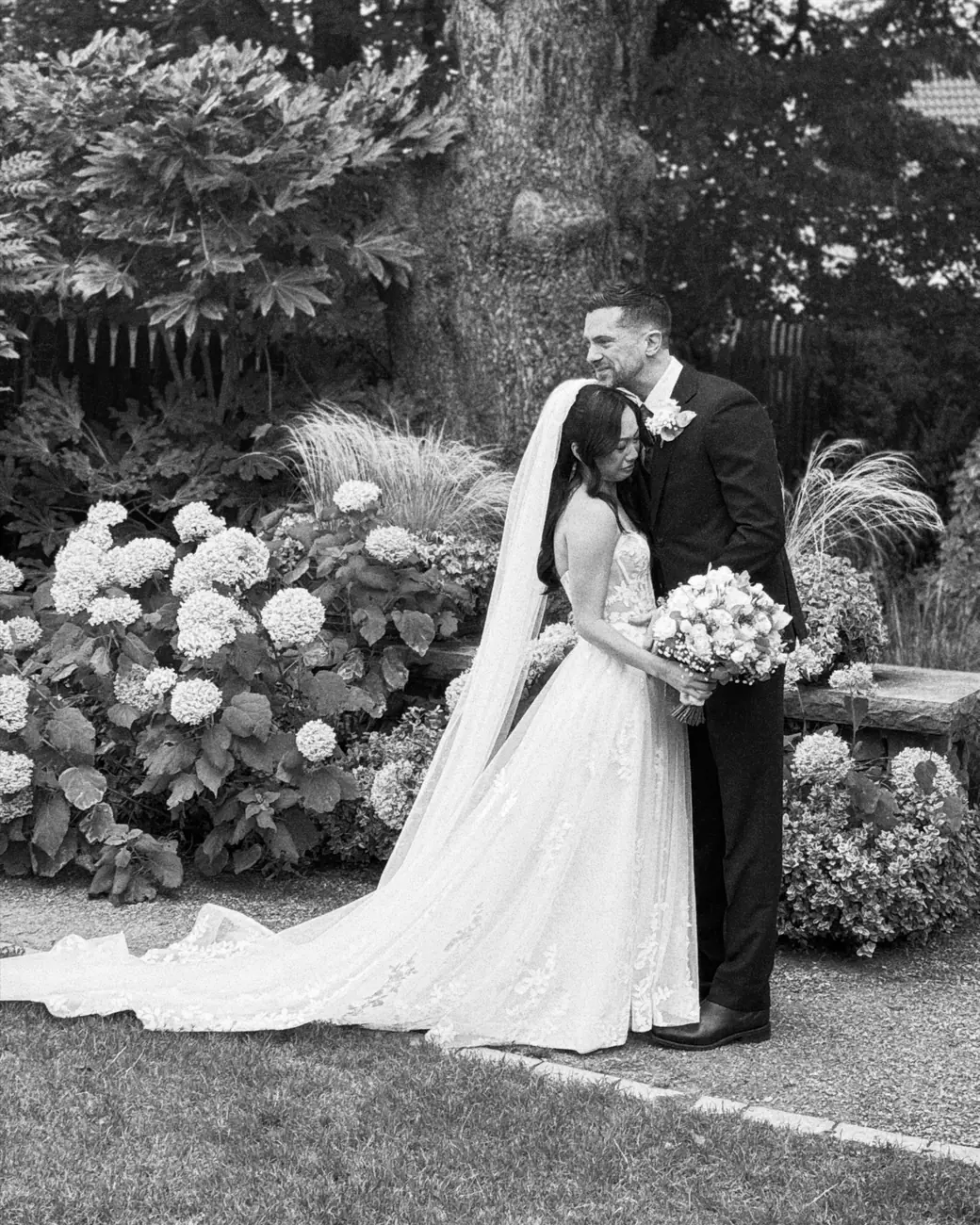
Photography is the decision that one frame out of a moving afternoon is worth keeping. It is printed at a size you can hold, framed, hung, and still legible in thirty years. It is your grandmother's hands around a bouquet.
A content video is the opposite: forty seconds, vertical, in motion, with sound, made to be watched on a phone before the weekend is over. It cannot be printed. Not by rule. A nine by sixteen frame is not a photograph, and cropping one out of a still does not make it a photograph either.
We do not sell stills as content. A wedding photograph with a song laid over it is a slideshow.
Why one person cannot do both at once
A photographer is not standing around between shots waiting for a job. They are reading the room continuously, and the moment that reading stops, the photographs get worse. That is the whole craft, and it does not pause because a clip would be nice.
The content shot is usually from somewhere else. Lower, further back, behind the bar, in the doorway your mother is about to walk through. The two frames want opposite positions, and one person cannot stand in both.
The kit differs in a way that is hard to explain until you have carried it. One body is built to deliver a single decisive frame. The other has to hold focus and framing for four unbroken minutes with sound running the whole time.
What content cannot do
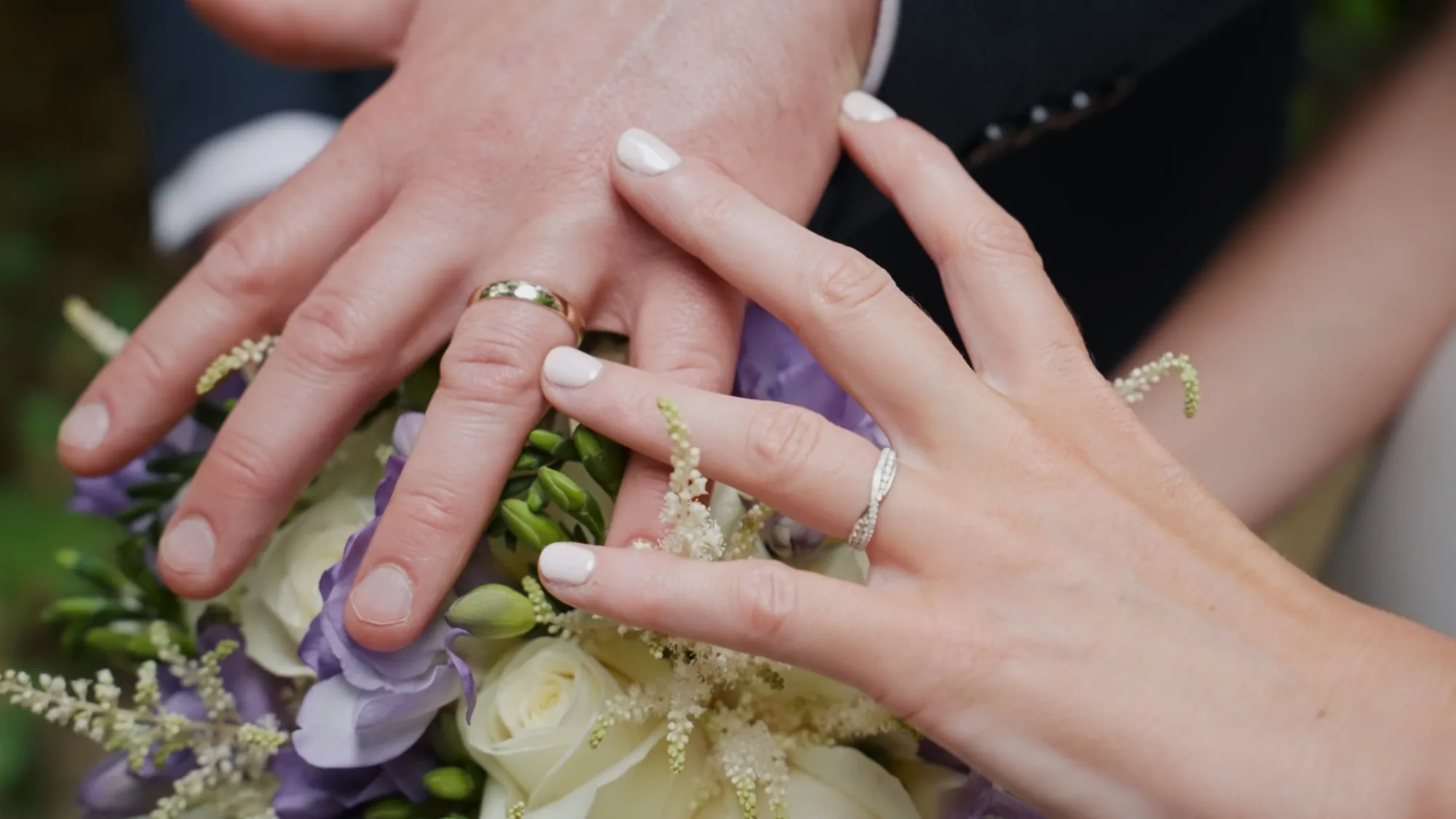
You cannot put a clip in an album. You cannot give a print of one to your mother. In twenty years the day will be described with a photograph being passed around a table, not a video playing to a room.
That is not an argument against content. It is an argument for the two doing different jobs at the same time. The clip is how you tell people about the wedding while it is still the weekend. The photograph is what is left afterwards.
What our content actually is
Ours is shot vertically on pocket cinema cameras, composed in the vertical frame rather than cropped out of a horizontal one. Then the part that matters more than the body: we bring the film kit to it.
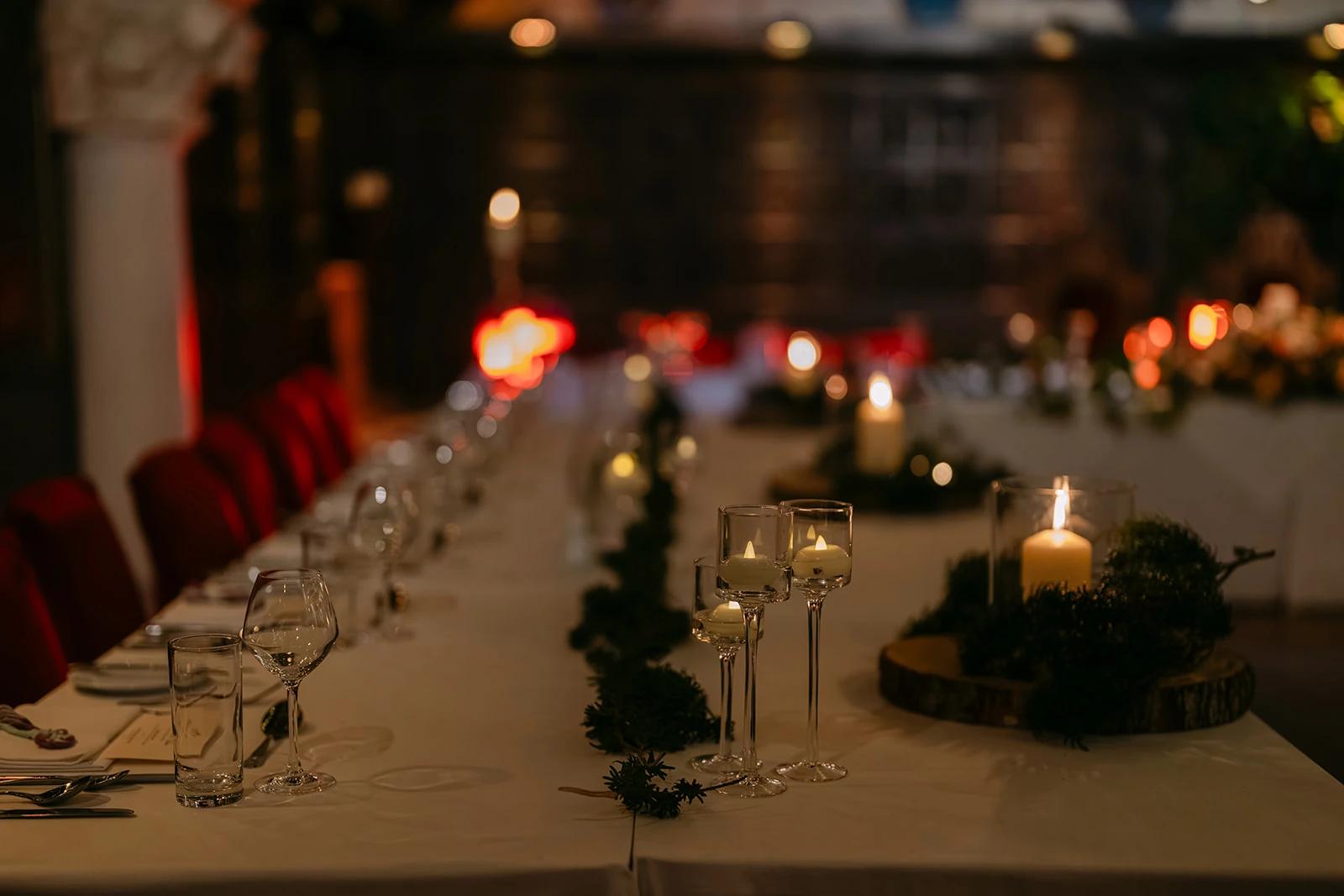
A lavalier on the groom and on whoever is reading, so the vows are words instead of a room full of chairs. A light, because a hotel function room in Ireland in November is a lighting problem before it is a creative one. The same hands that shoot wedding films shoot the vertical work, and they are watching for the same things.
That is the difference between content creation and somebody filming the day on a phone. Not the badge on the camera. The fact that sound and light were considered before the day started.
So do you need both
Yes, if the budget reaches. One makes the record; the other makes the version that travels. A couple booking both is not paying twice for the same thing, and neither of us is a cheaper substitute for the other.
If the budget only reaches one and there is no photographer yet, book the photographer. You cannot print a reel.
If the choice is between content and film rather than photography, that is a different question with its own answer.
A still gives
you longer.
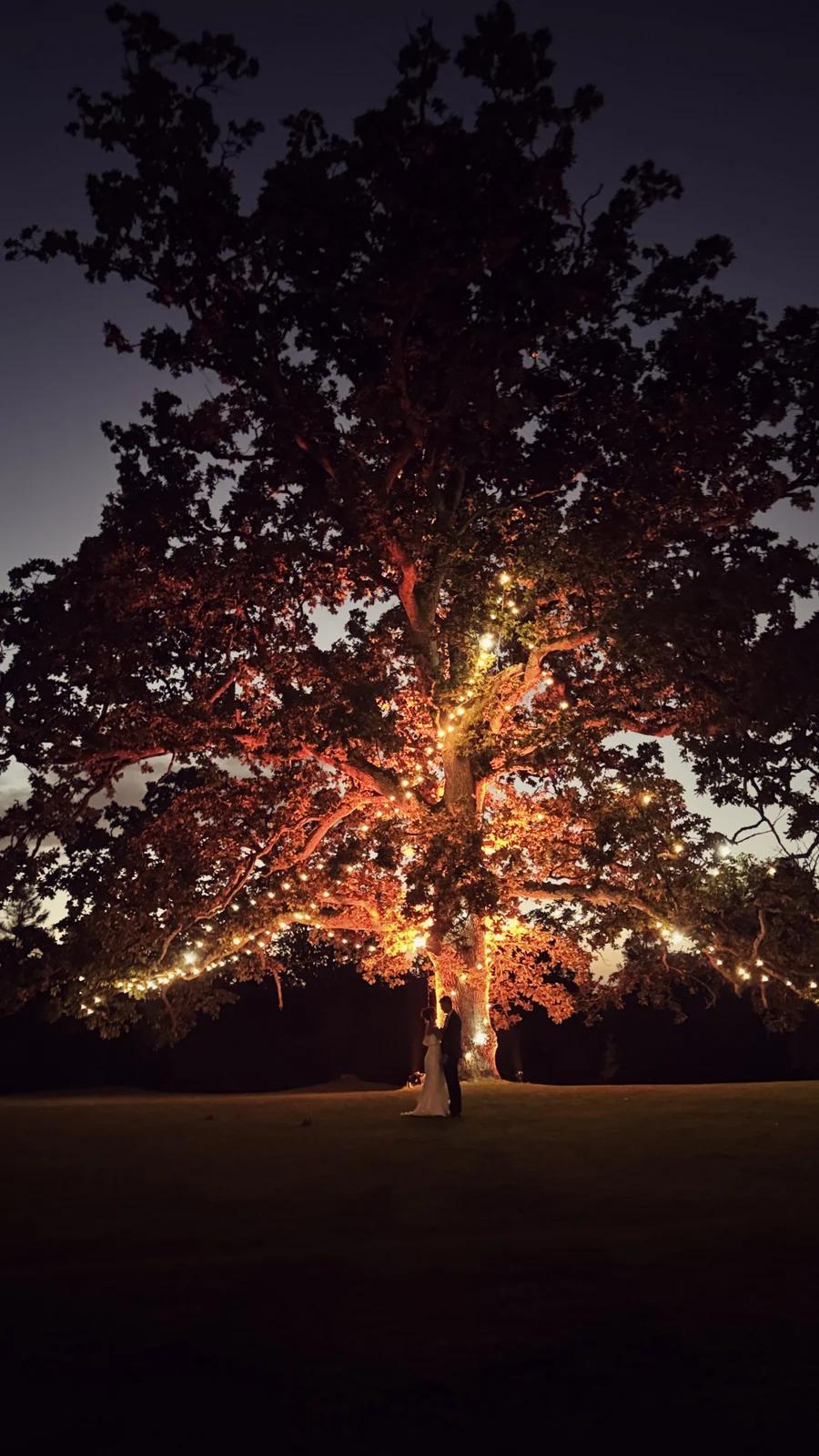
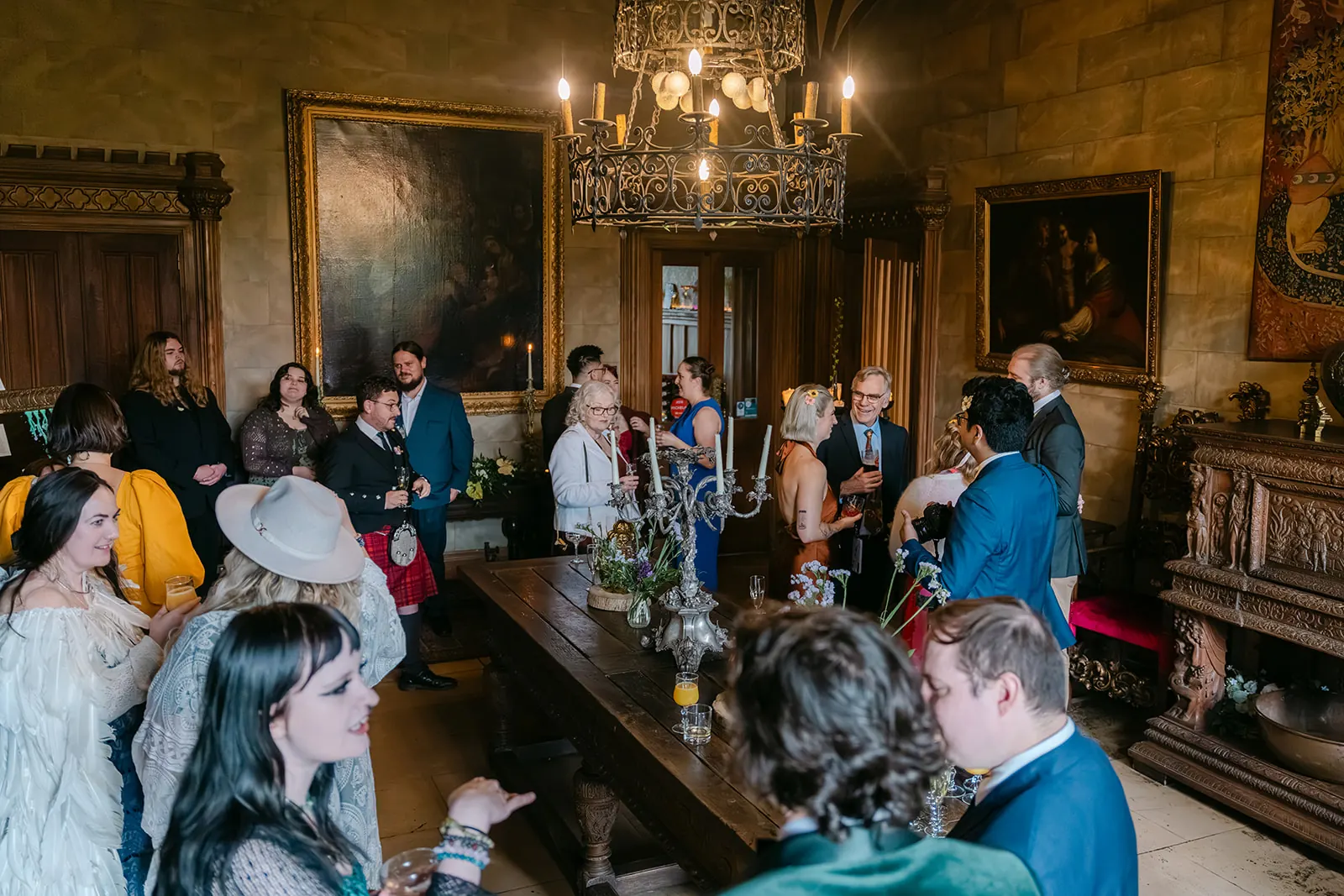
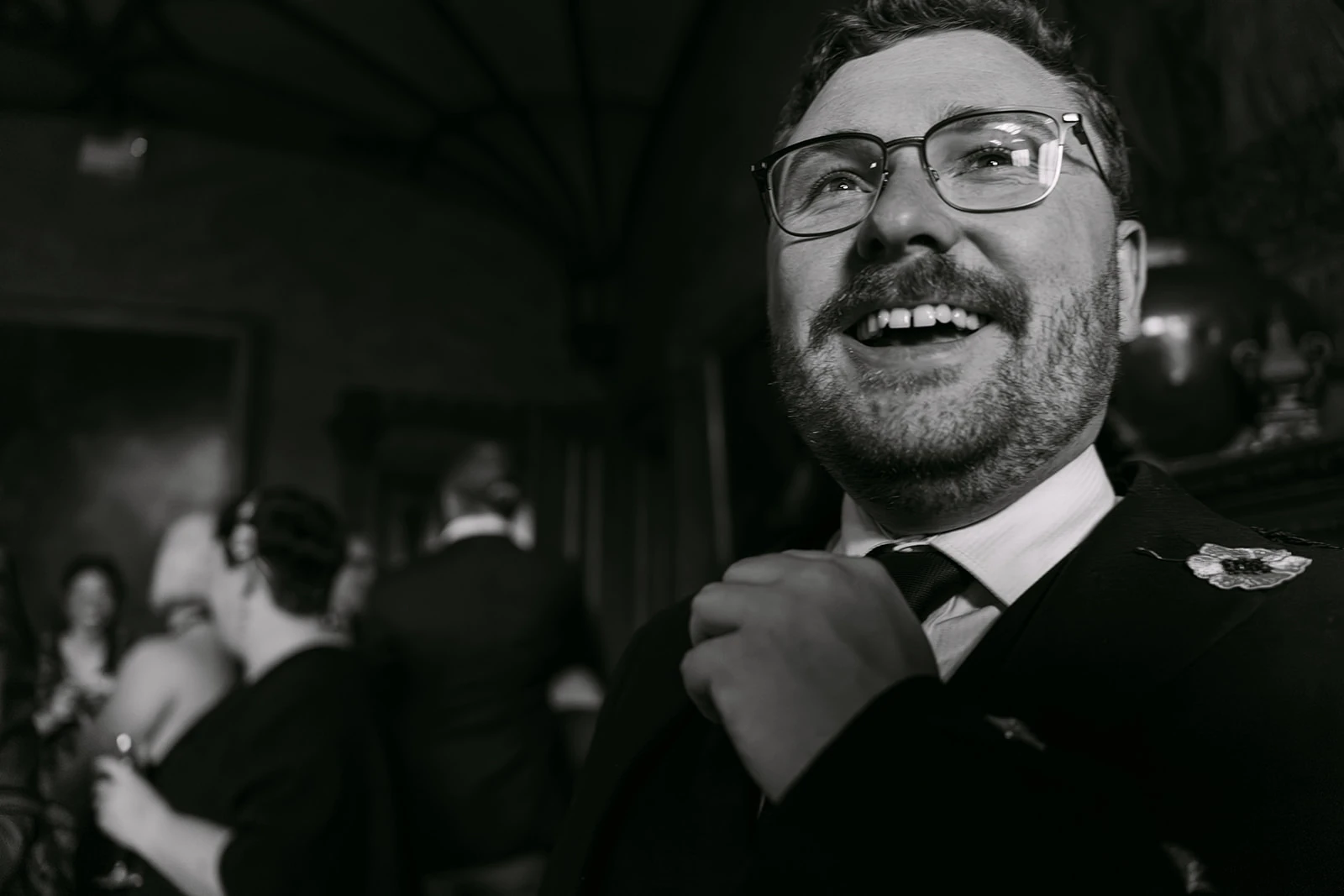
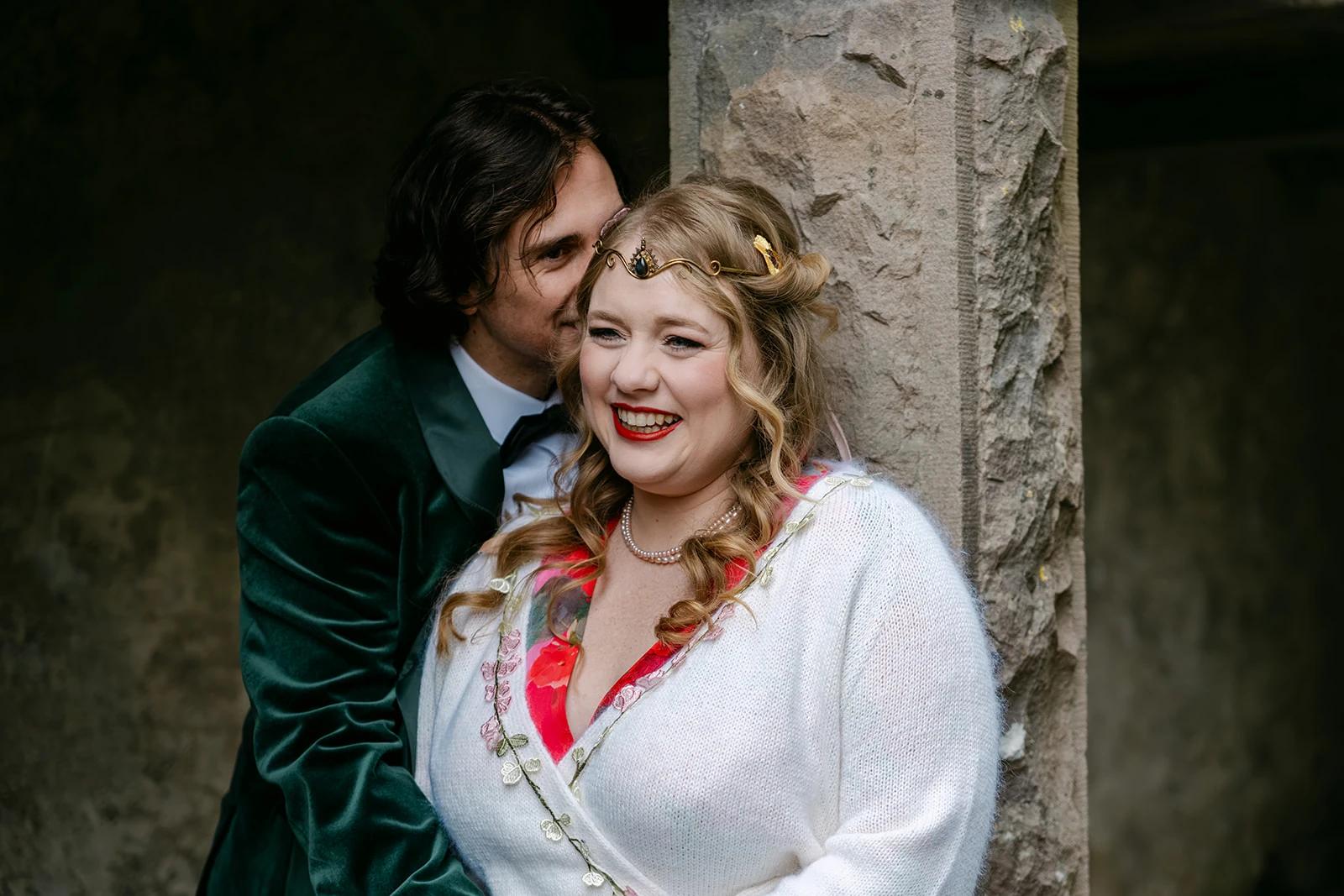
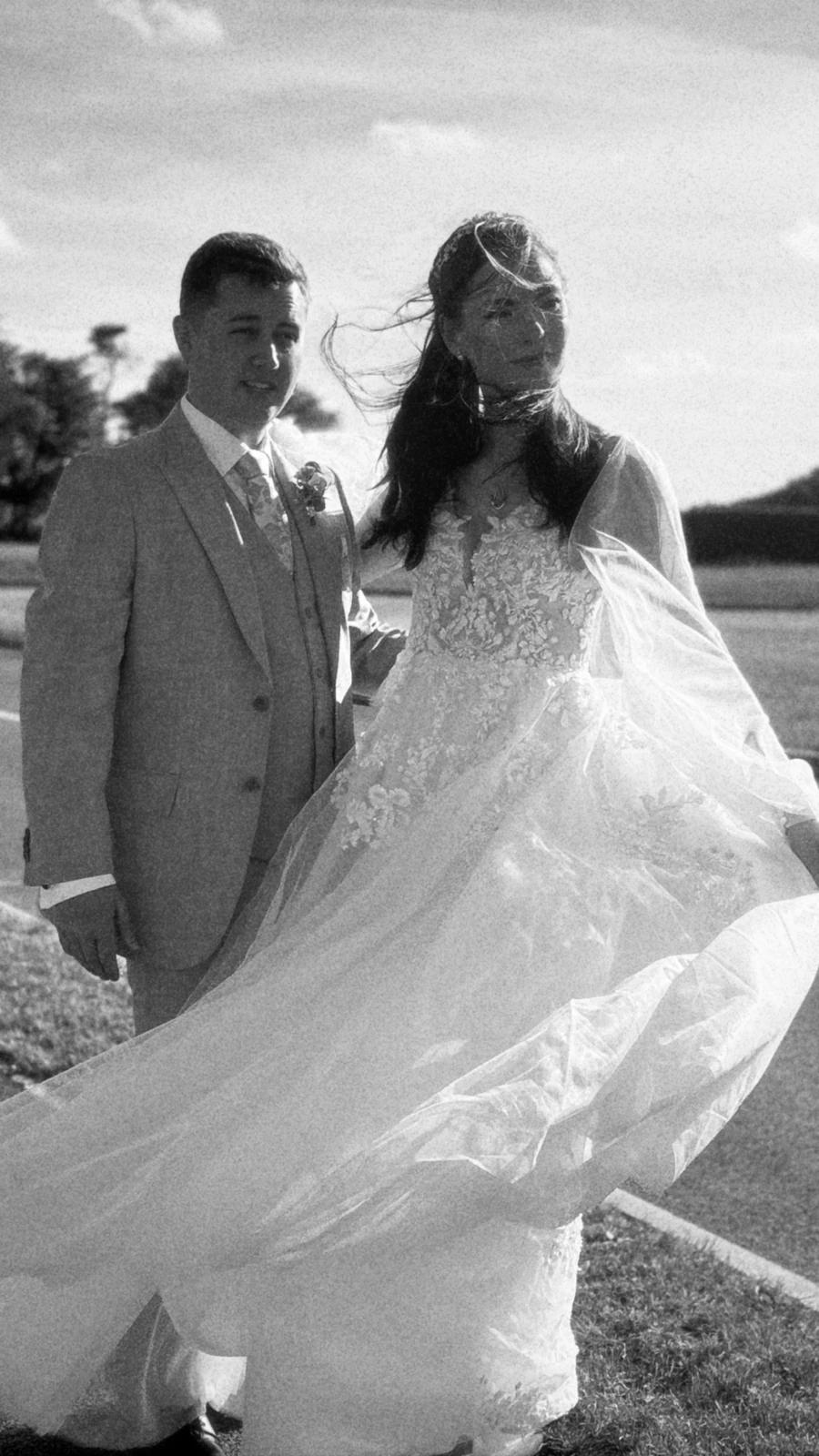
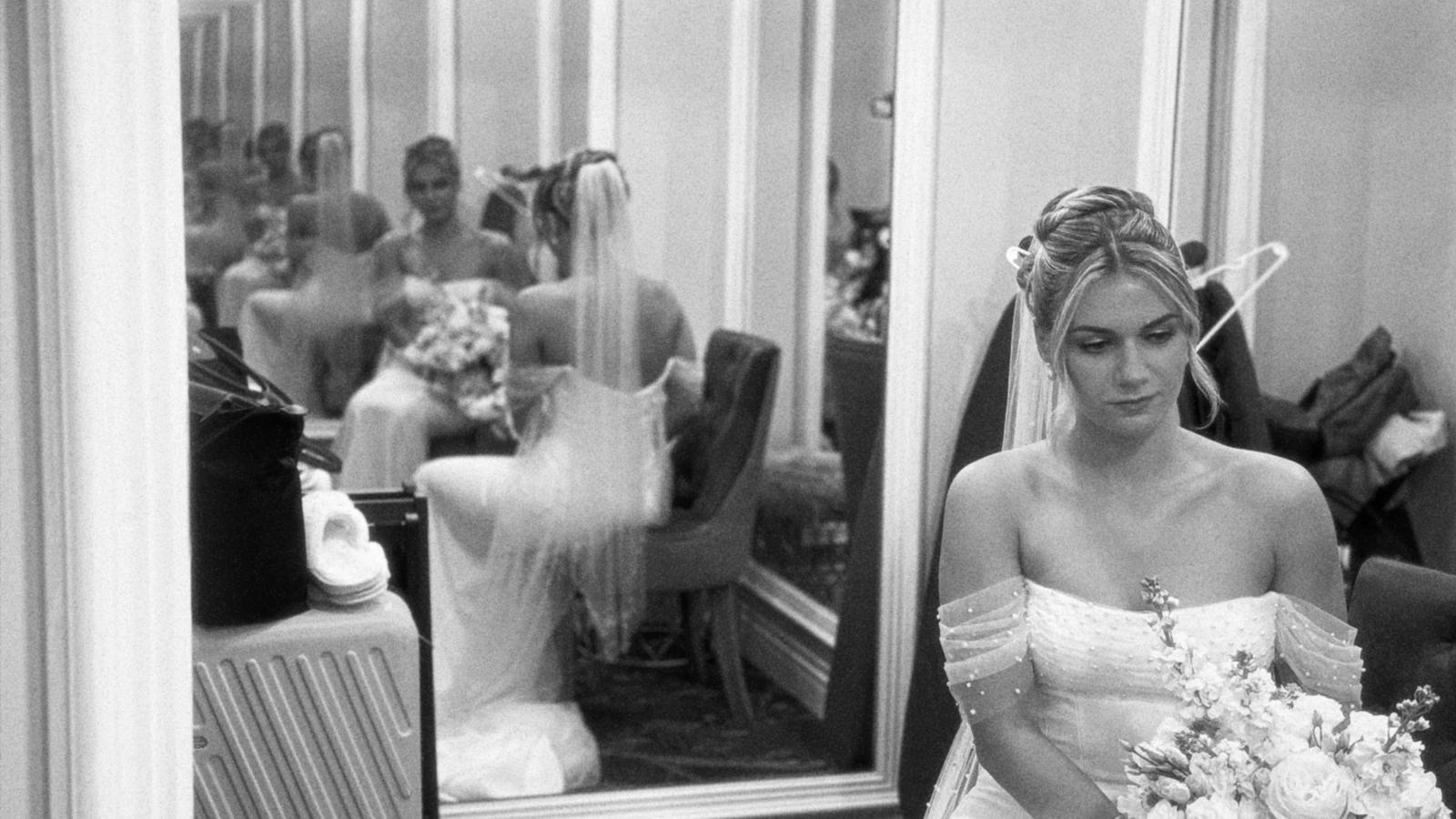
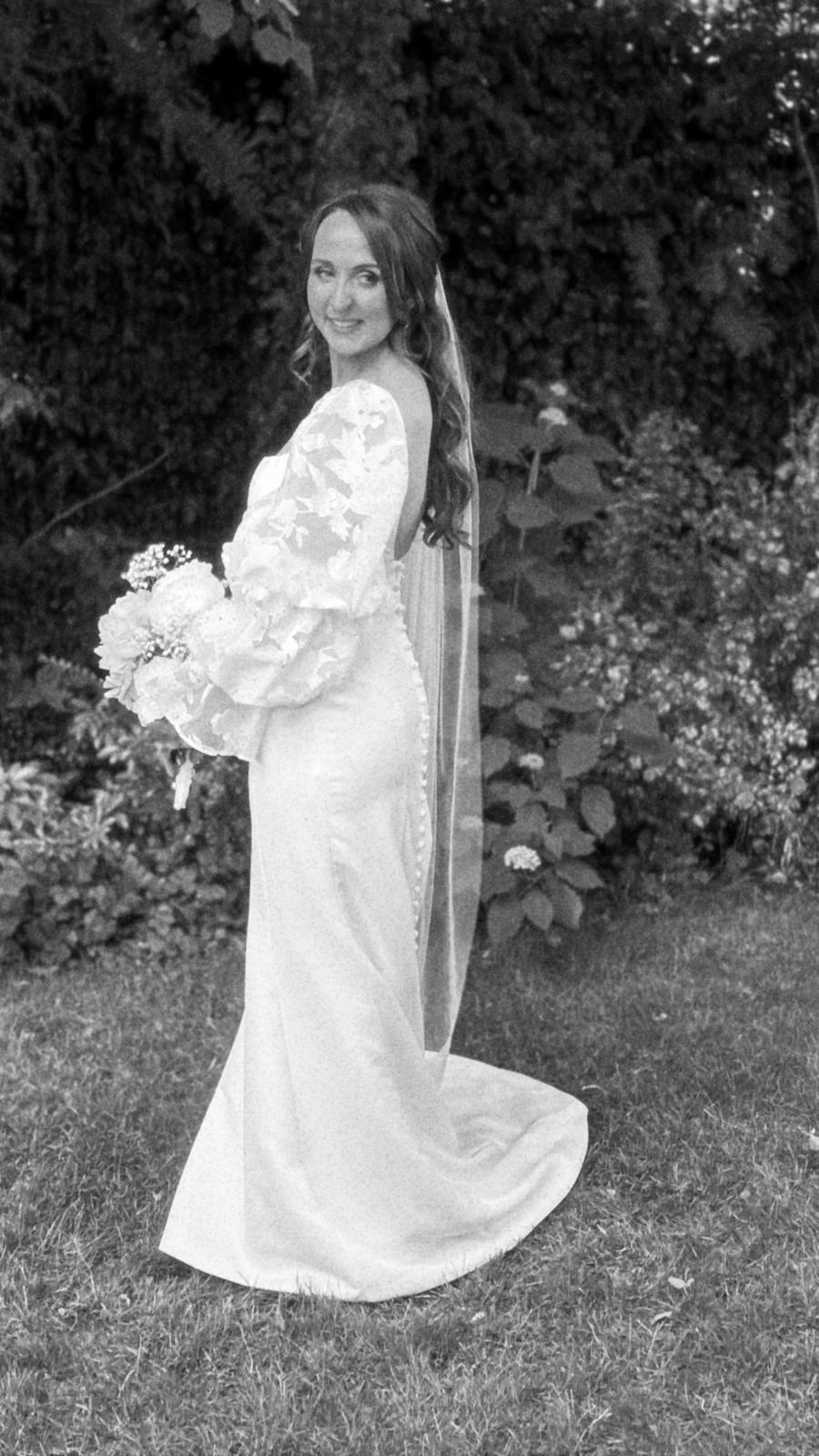
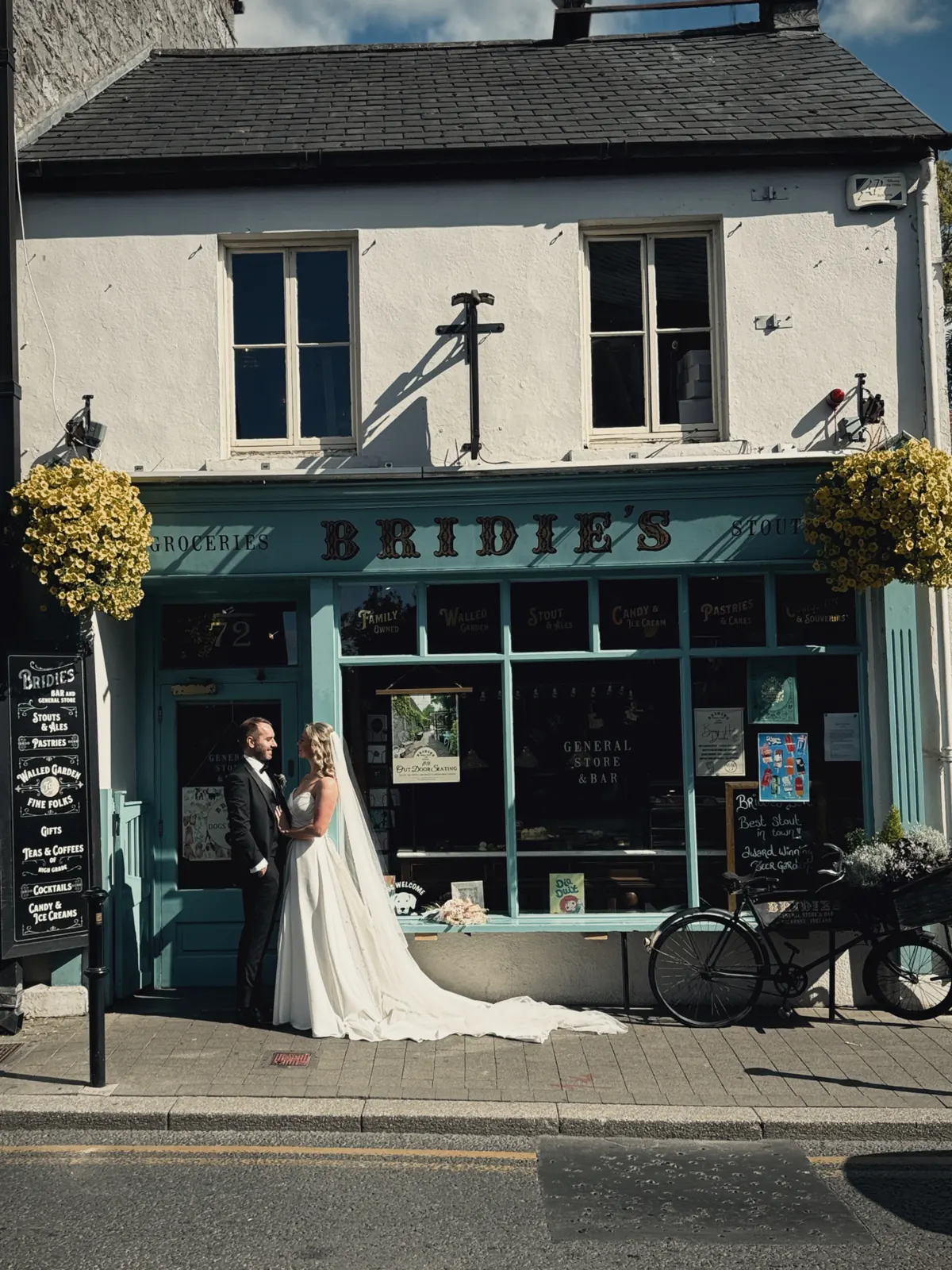
Wedding photographs for looking at properly. Portraits, atmosphere and the frame beside the obvious one. Some explain themselves immediately. Others are slower, which is useful.
See wedding photography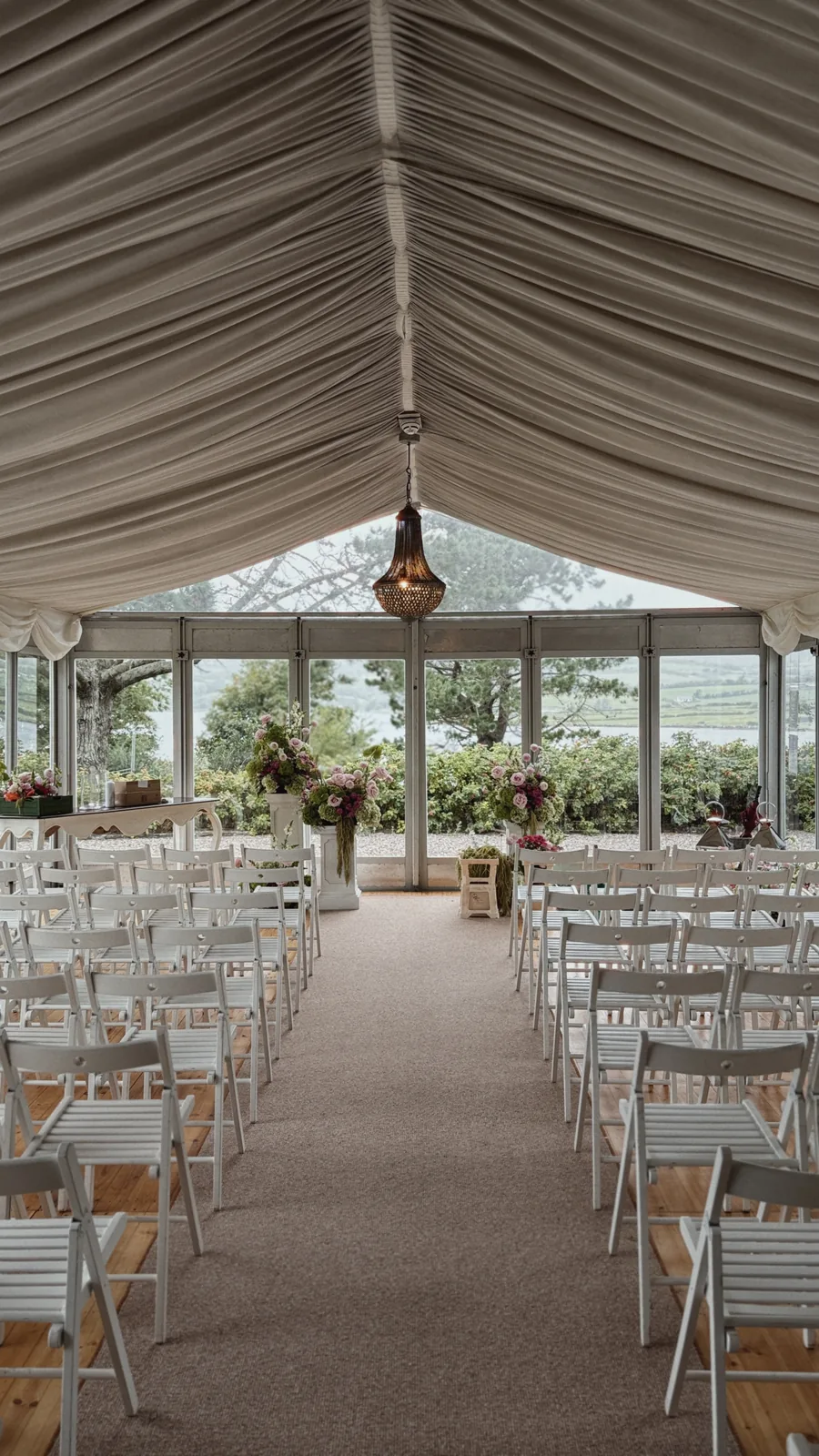


The honest answer
Two people, two cameras, one afternoon. That is the whole arrangement, and it is why neither job is quietly done in the corner of the other.