Wedding Day Planning7 min read
How to build your wedding photography timeline
Every wedding has two timelines: the one in the shared document, and the one that starts forty minutes late. The photographs survive the second one only if somebody counted backwards from the ceremony before the day.
The order the day actually happens in, and what gets cut when it runs late.See the work
Every wedding has two timelines. The one in the shared document, where the bell for dinner is at six and photographs occupy a single line between two and three. And the real one, which starts forty minutes late, loses an hour to a hairdresser, and is somehow back on time by the band.
The second one is not a planning failure. It is what happens when eighty guests, three hair stylists, a photographer, a videographer and one horse and carriage are put into the same afternoon.
So the useful question is narrower. Where does photography actually sit in the sheet, and what quietly gets dropped when the morning goes wrong. That is arithmetic more than taste, and it can be settled before the day instead of during it.
Ten weddings,
viewed properly.
There is confetti, a dog underfoot, a small committee of Irish wolfhounds and two grooms making a run for it. Press play and put the sound on. The still frames only get you so far.
See the full gallery


Count backwards from the ceremony
Start at the ceremony time and work backwards, because it is the only fixed point on the day. Two hours go to getting ready. Hair and makeup finish an hour and a half before the first pictures, which is about half an hour after we arrive.
The order matters more than the numbers. Hair and makeup is the one part of a morning that has never once finished early, and everything downstream inherits its lateness.
- Ceremony time, fixed. Nothing else on the day is.
- An hour back for guests arriving, and the twenty minutes before that when the room is empty and photographable.
- Thirty minutes for the couple to sit down, breathe, and have their clothes adjusted.
- Fifteen minutes for the first look, if there is one.
- Forty-five minutes for portraits, plus the walk to wherever they happen.
- Twenty to thirty minutes for family photographs, ten to twelve groupings.
- Thirty minutes for the wedding party.
- Two hours for getting ready, counted back from the first pictures rather than from your own arrival.
The morning is where the day is actually won
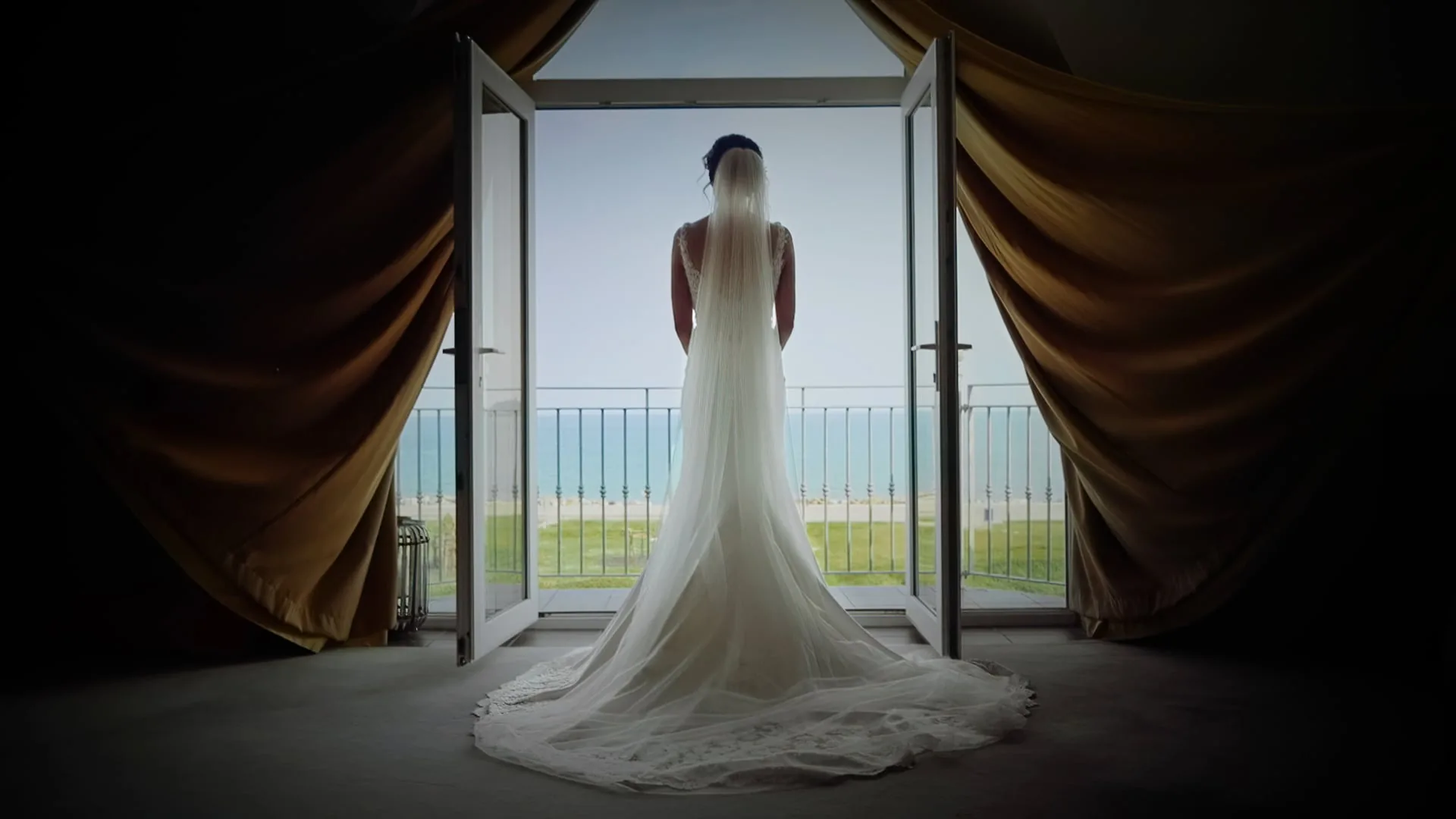
Ask for hair and makeup to be finished before we arrive. For a one o'clock ceremony that means the bride and her mother in the chair by half eleven or twelve. Not because anybody wants a photograph of the rollers. It is that an unfinished face does not want to be looked at, and the room starts to feel like a place where something has gone wrong.
We build in thirty minutes that look like waste: sitting down, breathing, having the back of the dress done a second time. If the morning runs late, the ceremony is not moving. The portraits are.
Which is why a couple who arrive at the venue forty minutes late still get photographs, and a couple whose morning starts forty minutes late get fewer.
Three hours or four: the first look question
At a single location we want about three hours before the ceremony without a first look, and about four with one. Four, because the portraits move in front of the ceremony instead of after it.
The difference is not the hour, it is what the hour buys. With a first look the family photographs and the wedding party are already done, and the drinks reception belongs to the two of you. Without one, the drinks reception is the only window, and everything happens in it at once.
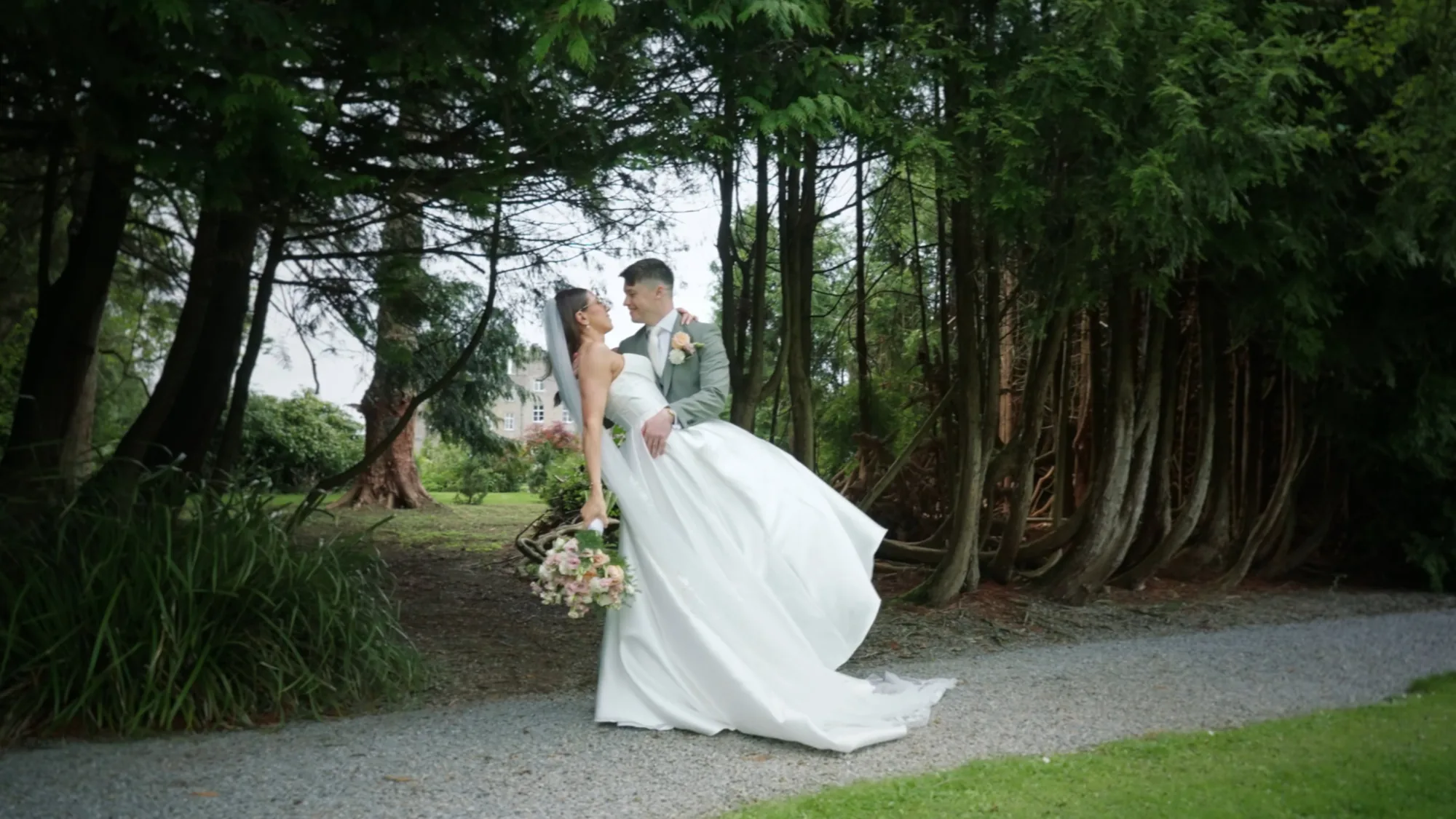
The same six o'clock wedding, twice. With a first look we start at 2.15, shoot the two of you for forty-five minutes, family for twenty, and the drinks reception is yours. Without one we start at 3.40, give the wedding party fifteen minutes, family fifteen, and about thirty-five to the two of you. Nobody is getting a worse set of photographs. They are different photographs, taken at a different point in the day, and the second version has less of the two of you in it.
Ireland makes this a light question rather than a taste question. A December wedding with a one o'clock ceremony is finished and dark by half three, and the photographs after the greeting line have no outdoor light left in them at all. In June the same wedding has an evening that goes on until ten. Same decision, two different answers.
It is a decision for wedding films as well, since a first look is the one part of the day where the two of you are filmed properly alone before the ceremony rather than in a room full of people.
We have both kinds of couple. Some want the moment in private, before the room fills up. Others want it in front of everyone, because that is the wedding. Neither is more romantic, and the version that goes wrong is the one nobody actually decided on.
If the forecast is the part worrying you rather than the light, the rain plan guide covers the decisions that can be made before the week.
Family photographs are arithmetic, not diplomacy
The figures quoted for family photographs run from fifteen minutes to an hour and a half for the same job. It is not a disagreement about speed. It is a group count.
Two to three minutes a grouping is the working figure, and ten to twelve groupings is the cap. Twenty groupings is an hour. It is not fifteen minutes.
The way to make it fast is boring. Send a suggested list rather than asking for one. Nominate a family member to gather people, so nobody has to leave the spot. Start with the largest group and peel people off down to the parents. Start the second the recessional is over, with the exposure already set.
The time thief is not the family. It is the uncle half a step behind us with a phone up, calling out for everyone to look at him.
The ceremony block nobody pads
Most ceremonies run fifteen to twenty minutes, and we block thirty anyway. A Catholic wedding is usually an hour and nobody is negotiating.
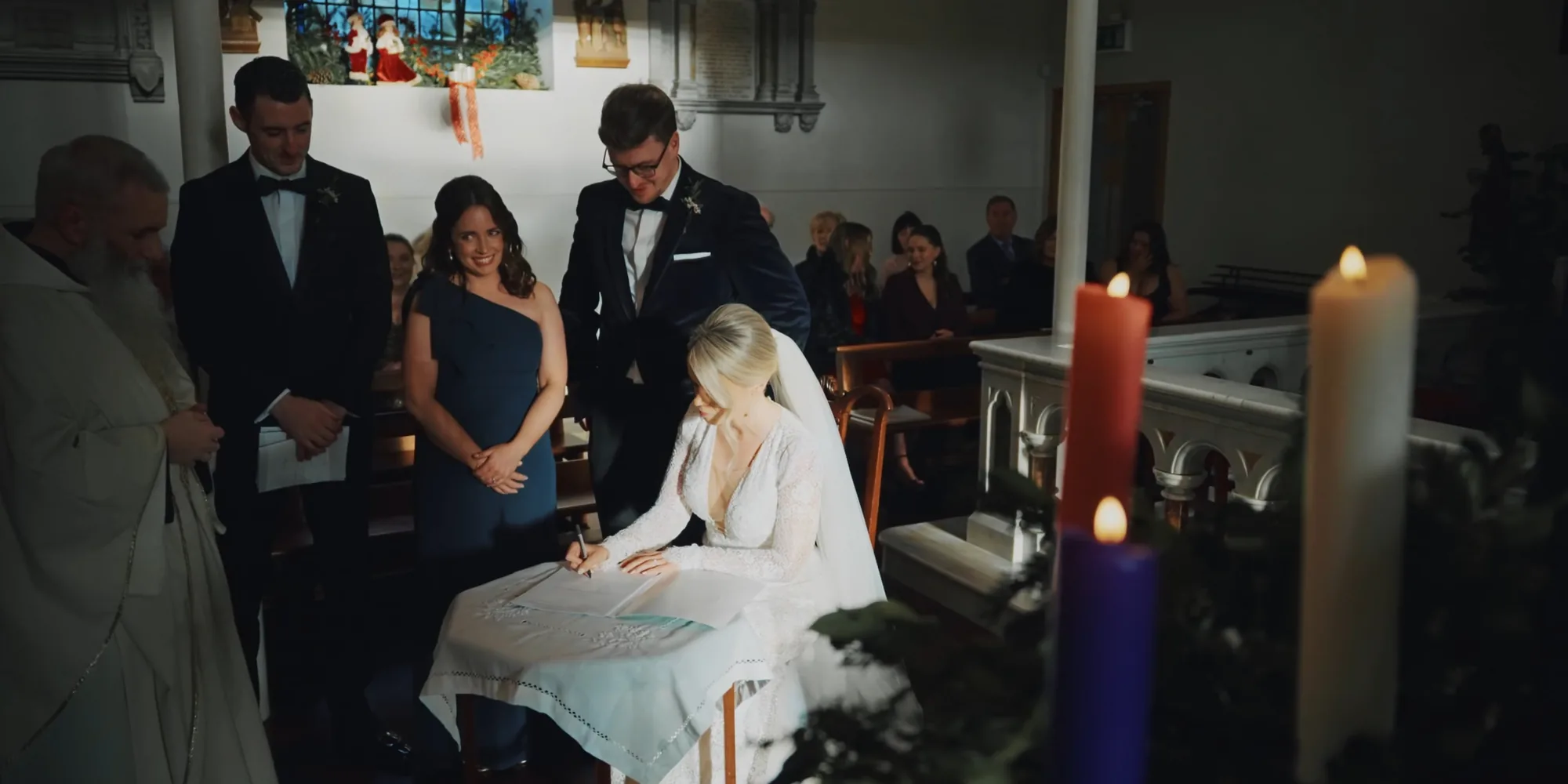
Two things get forgotten inside that block. The register, which is a two minute signature and then however long it takes to arrange eight people around it. And the light on the way out, which in a dark church is often the only clean light of the whole ceremony.
The Irish part of the gap
The Irish day is built around the gap between the ceremony and the meal, and the gap is longer than the plan allows.
A one o'clock ceremony with the meal at six is the standard shape. The greeting line outside the church can take up to two hours. We ask for at least four hours between the ceremony starting and the bell for dinner, and that is before travel.
Four hours sounds generous until it is laid out. Ninety minutes of ceremony and greeting line, fifteen minutes of family photographs at the church, thirty minutes of driving, an hour for portraits and the drinks reception, and you are at the bell with nothing spare.
Thirty minutes of portraits is a different photograph
Forty to fifty minutes with the two of you is what the photographs want. Thirty is short. Five is a different category altogether: a couple smiling at the camera, a few kissing shots, and that is the set.
Fifteen to twenty minutes during the drinks reception is what most couples actually get, and it is enough for six or seven good frames if the two of you are willing to leave the room. The photographs that need more time are not the better photographs. They are a different kind: the walking, the talking, the ten seconds after the instruction has stopped.
What eats portraits is rarely the portraits. It is a room that has to be turned around for dinner. We have watched a ninety minute drinks reception take the dancing with it, and none of that was the photographer's fault.
If the standing-there part is what you are dreading, how much direction couples actually need is the honest version of that answer.
A still gives
you longer.
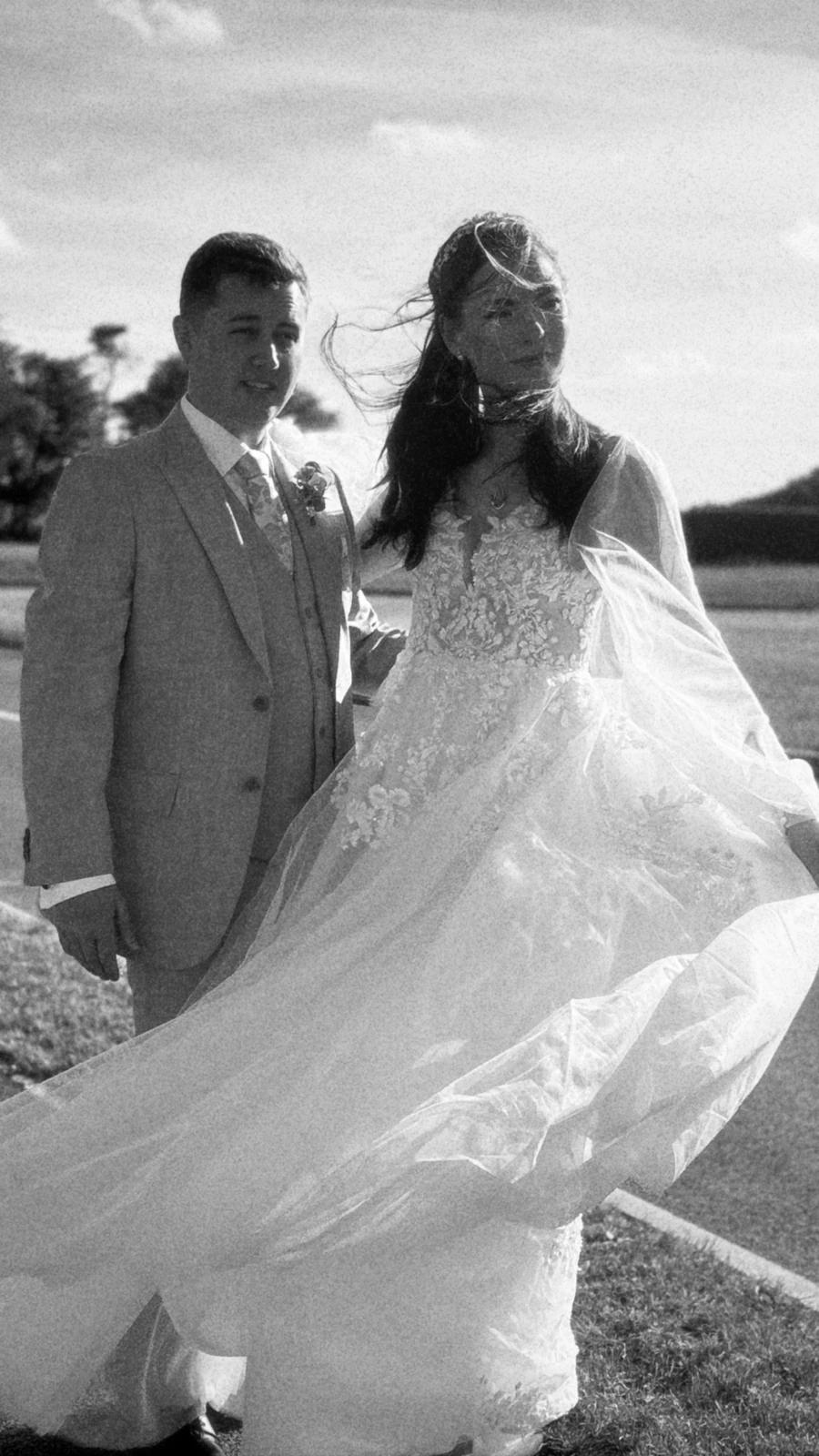
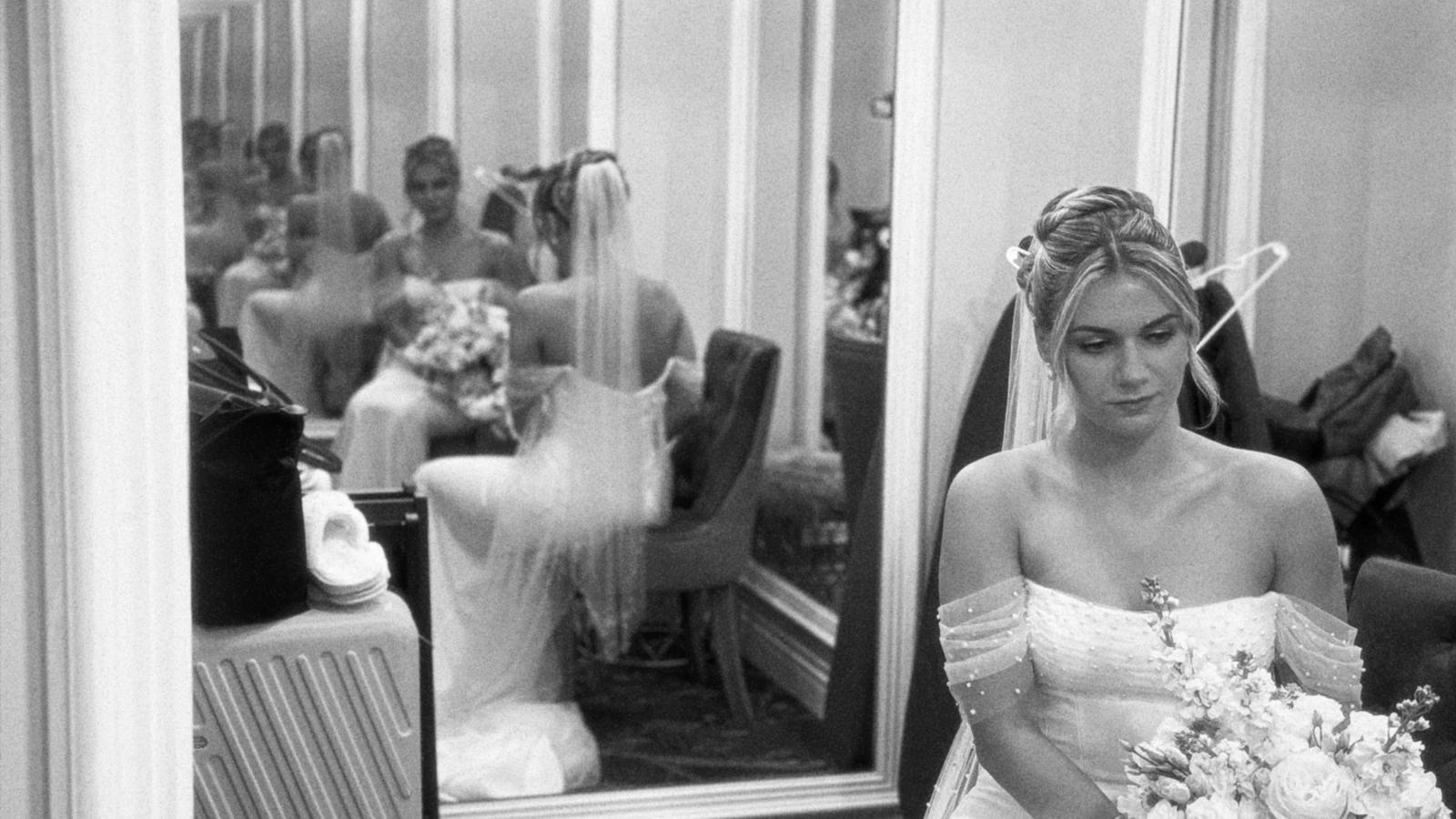
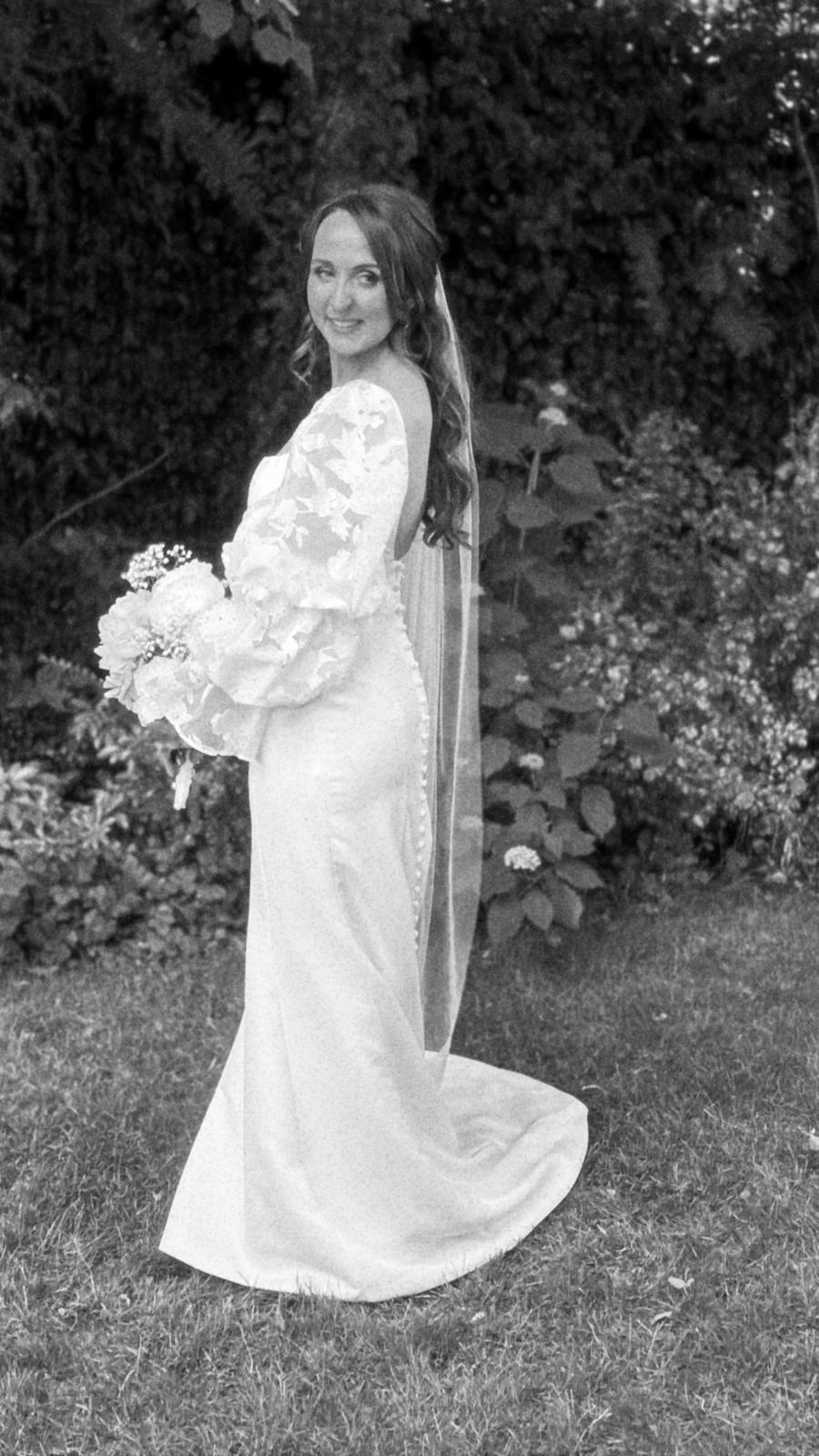
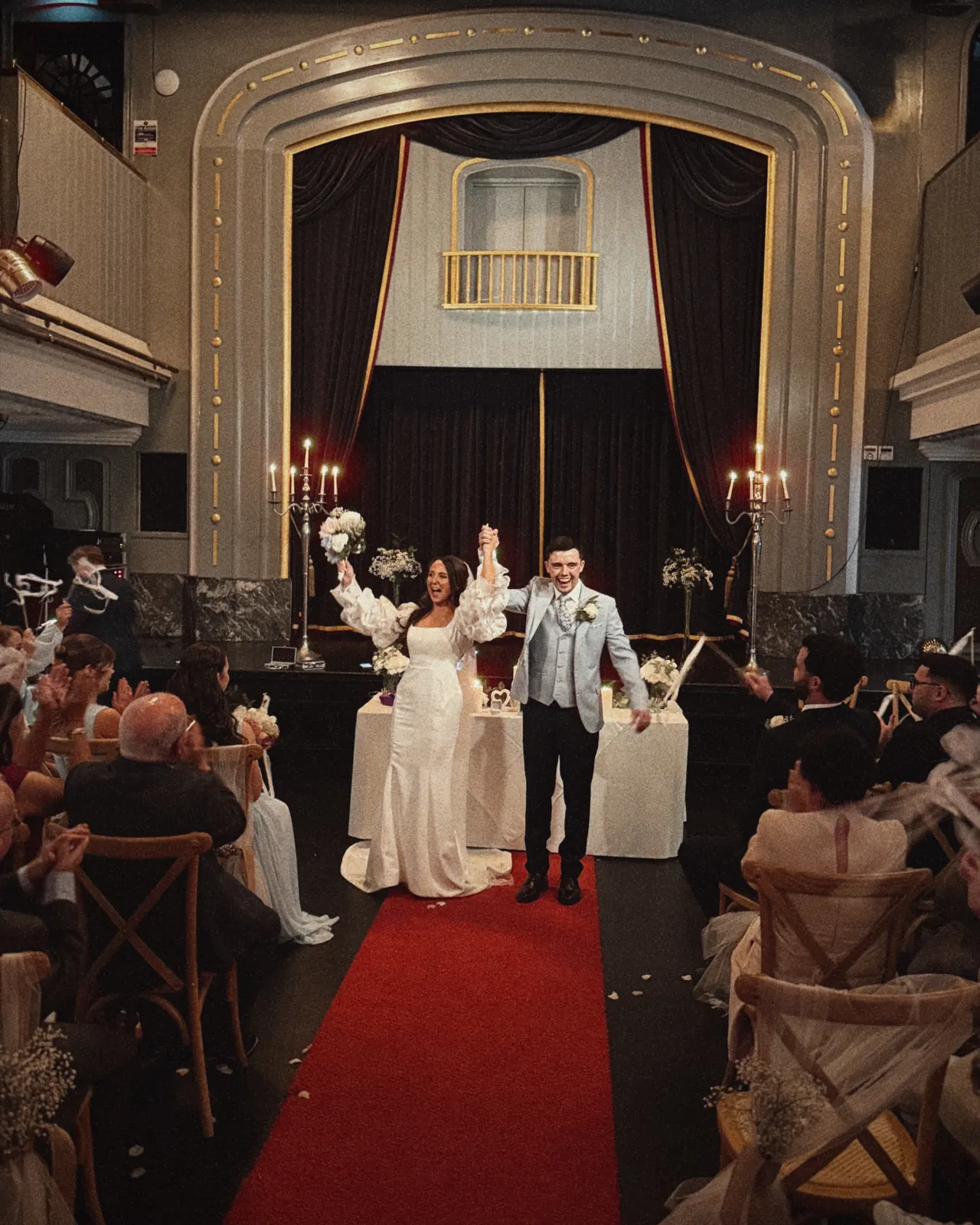
Wedding photographs for looking at properly. Portraits, atmosphere and the frame beside the obvious one. Some explain themselves immediately. Others are slower, which is useful.
See wedding photography
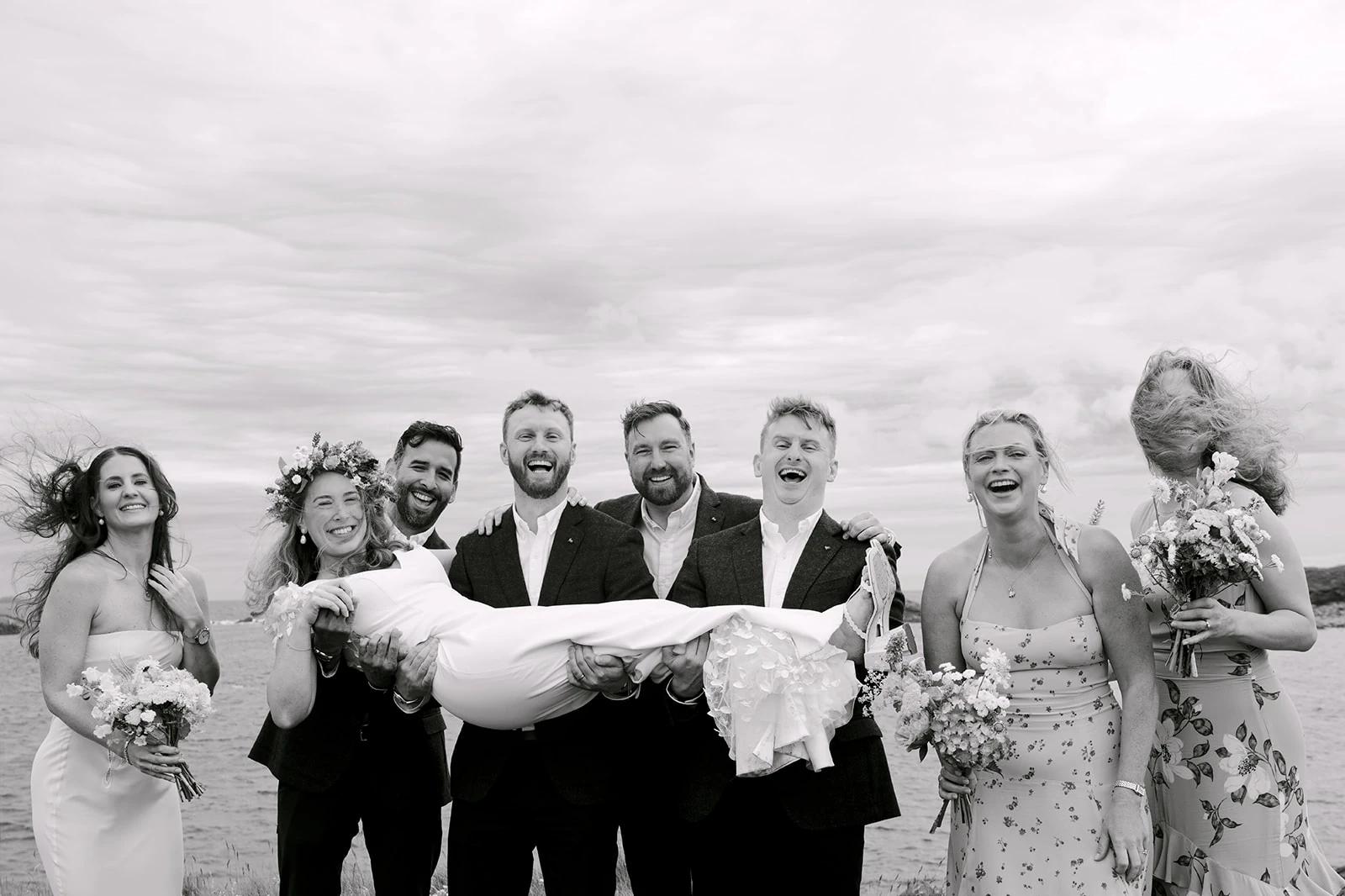
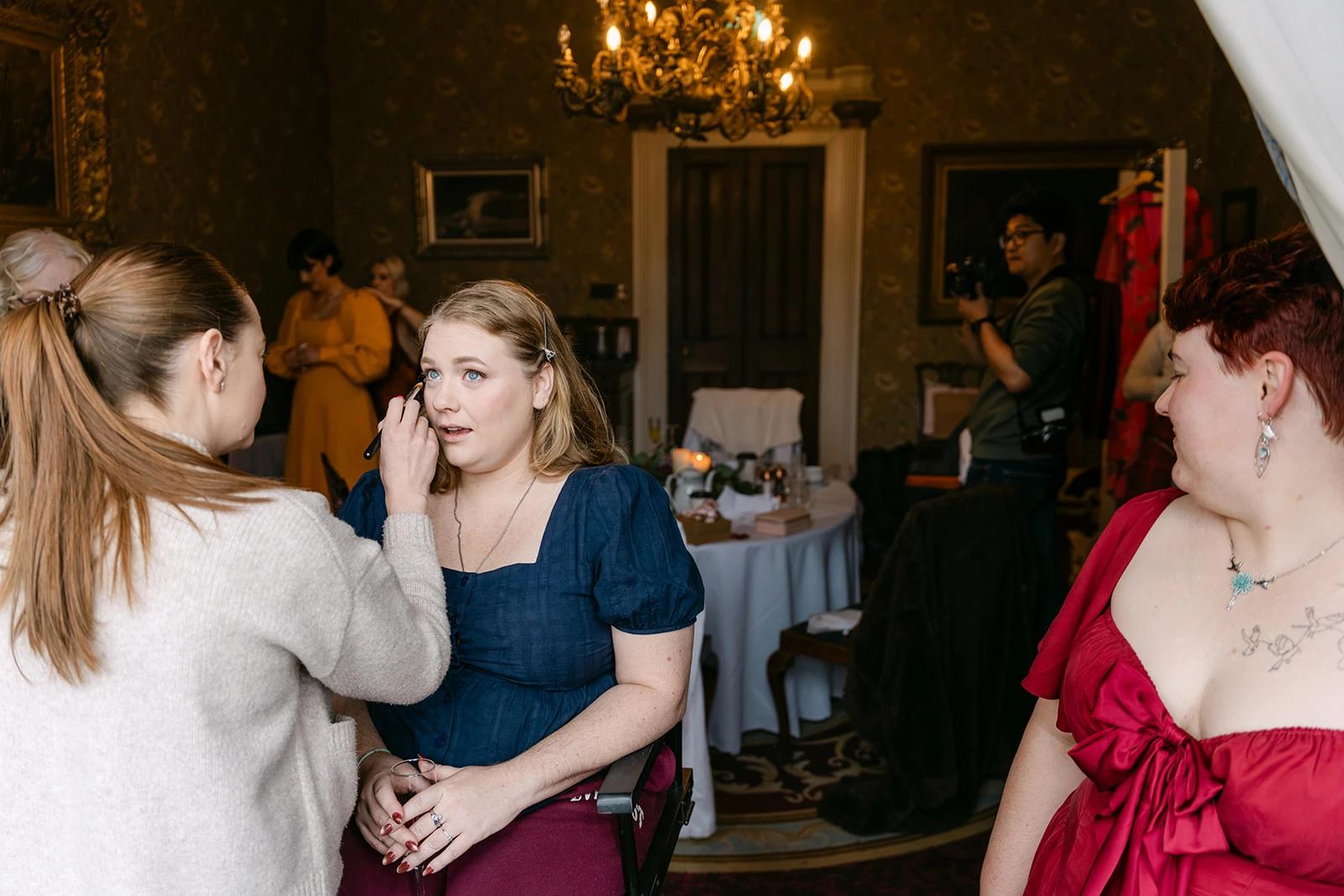
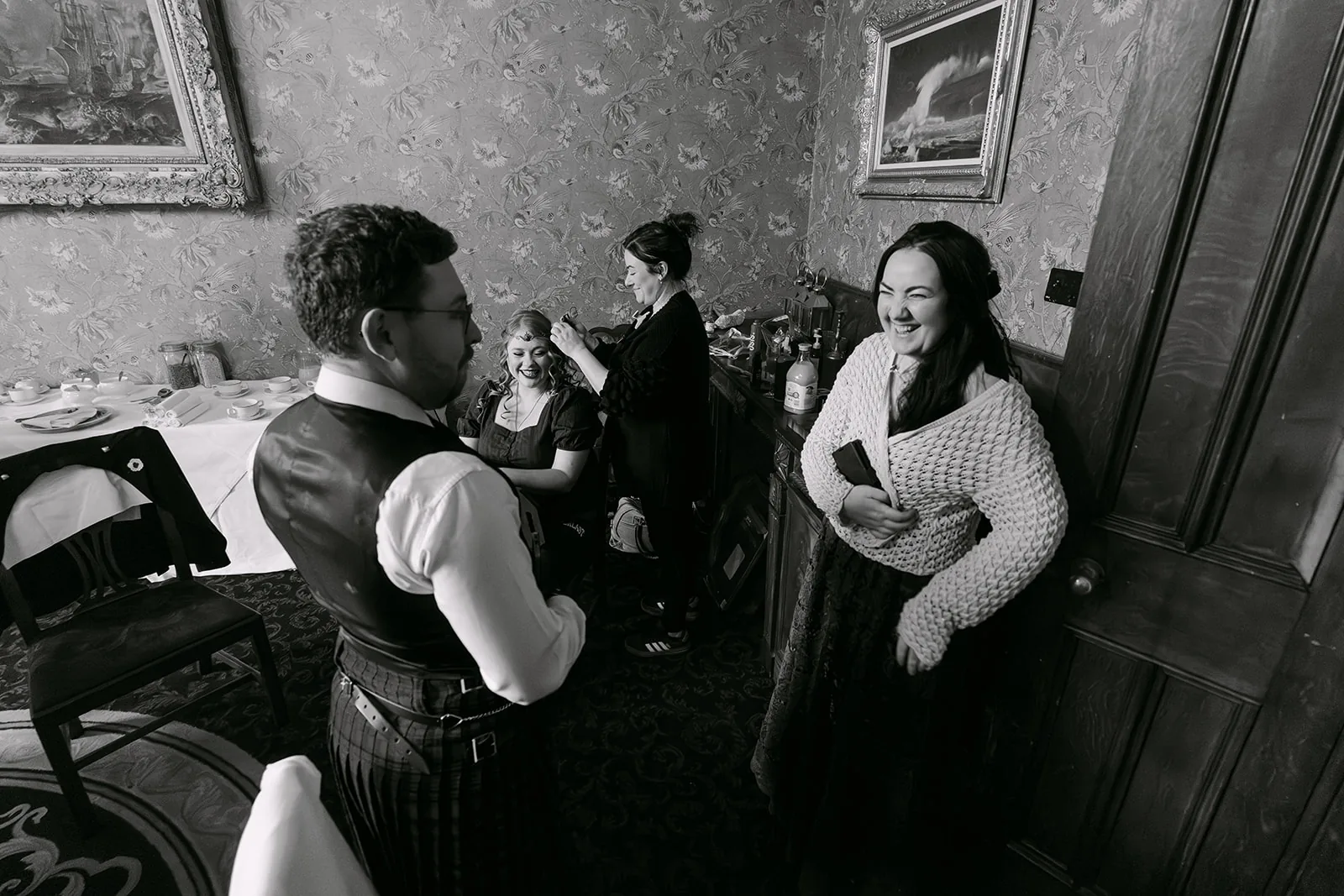
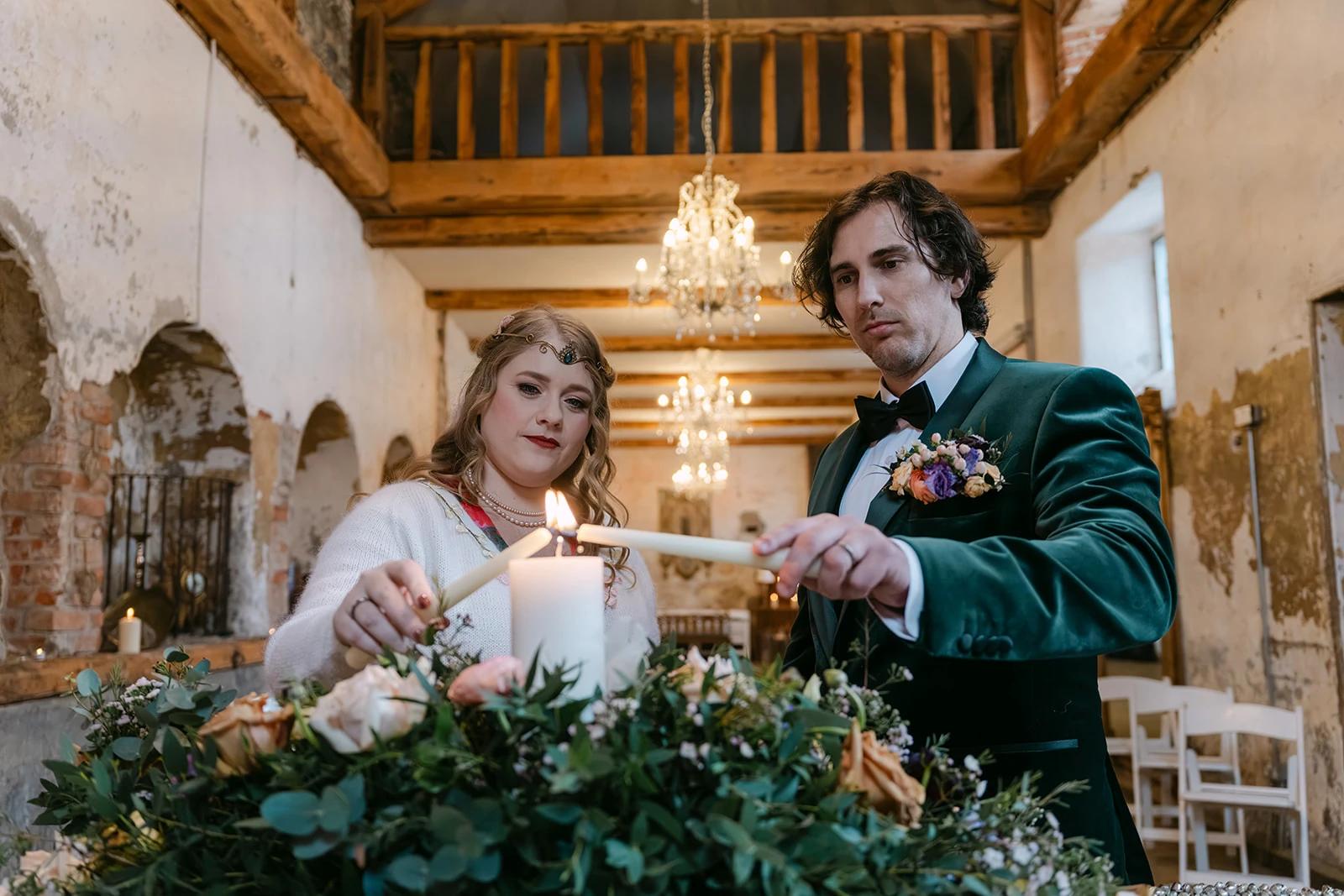
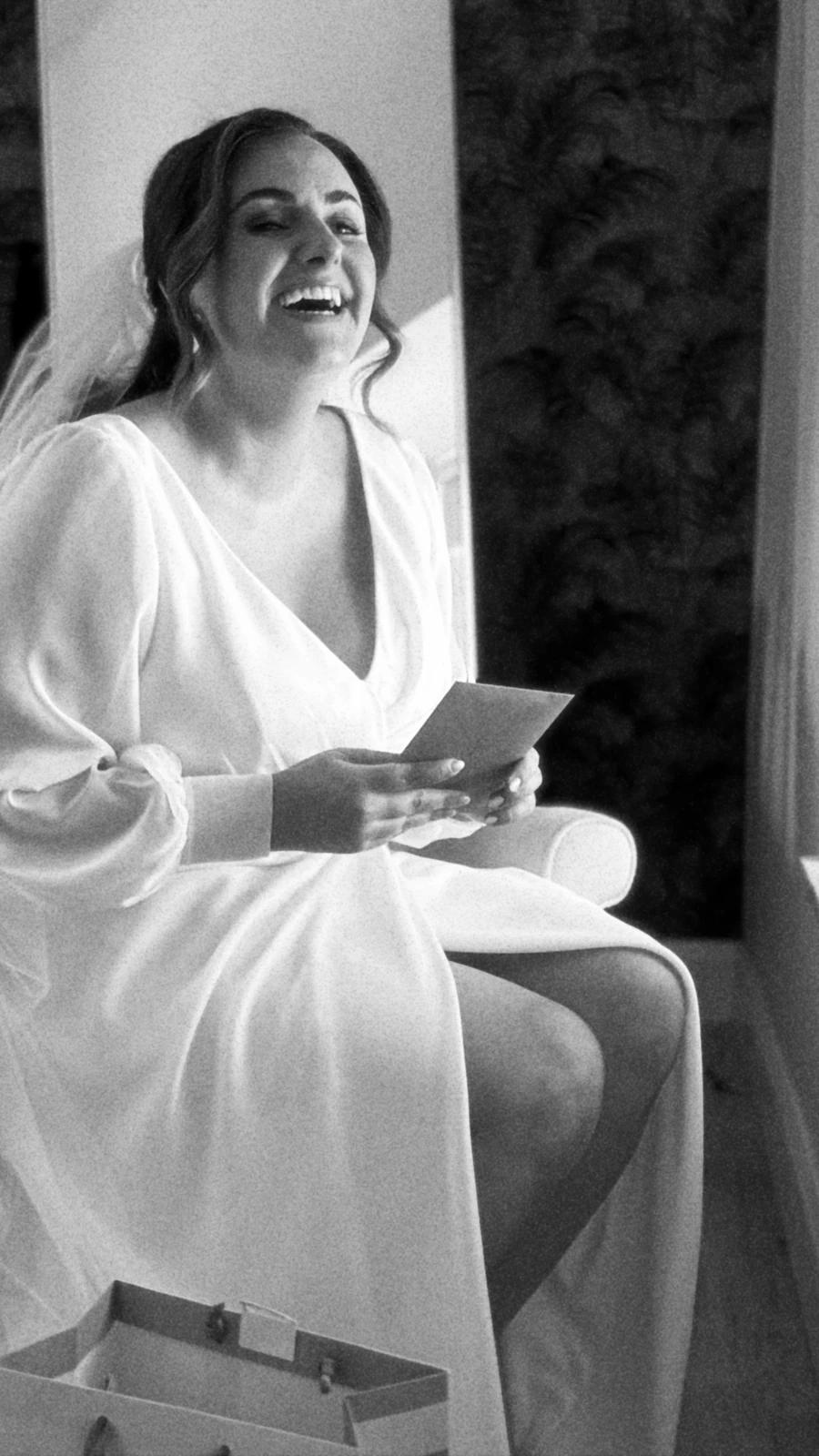
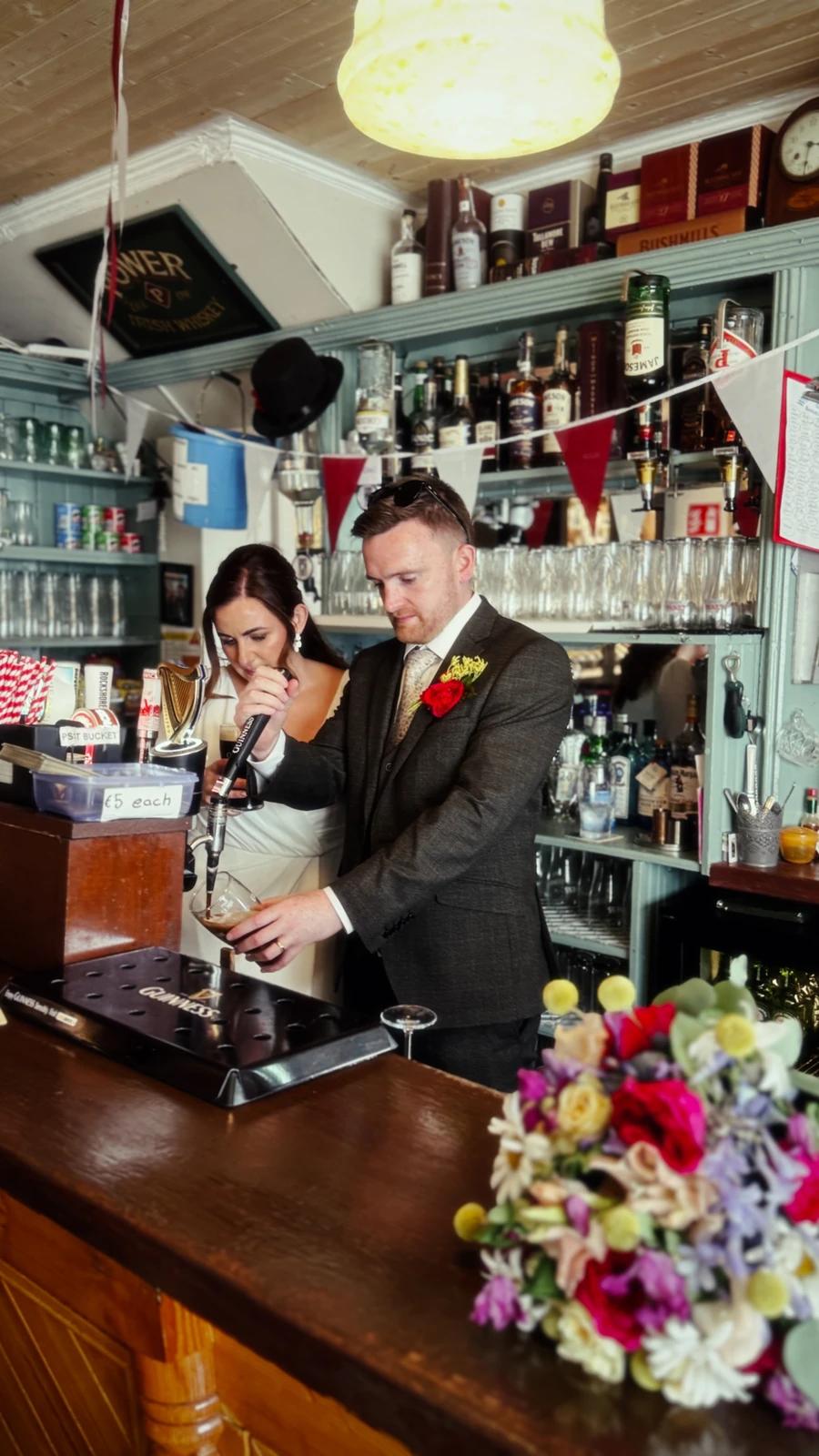
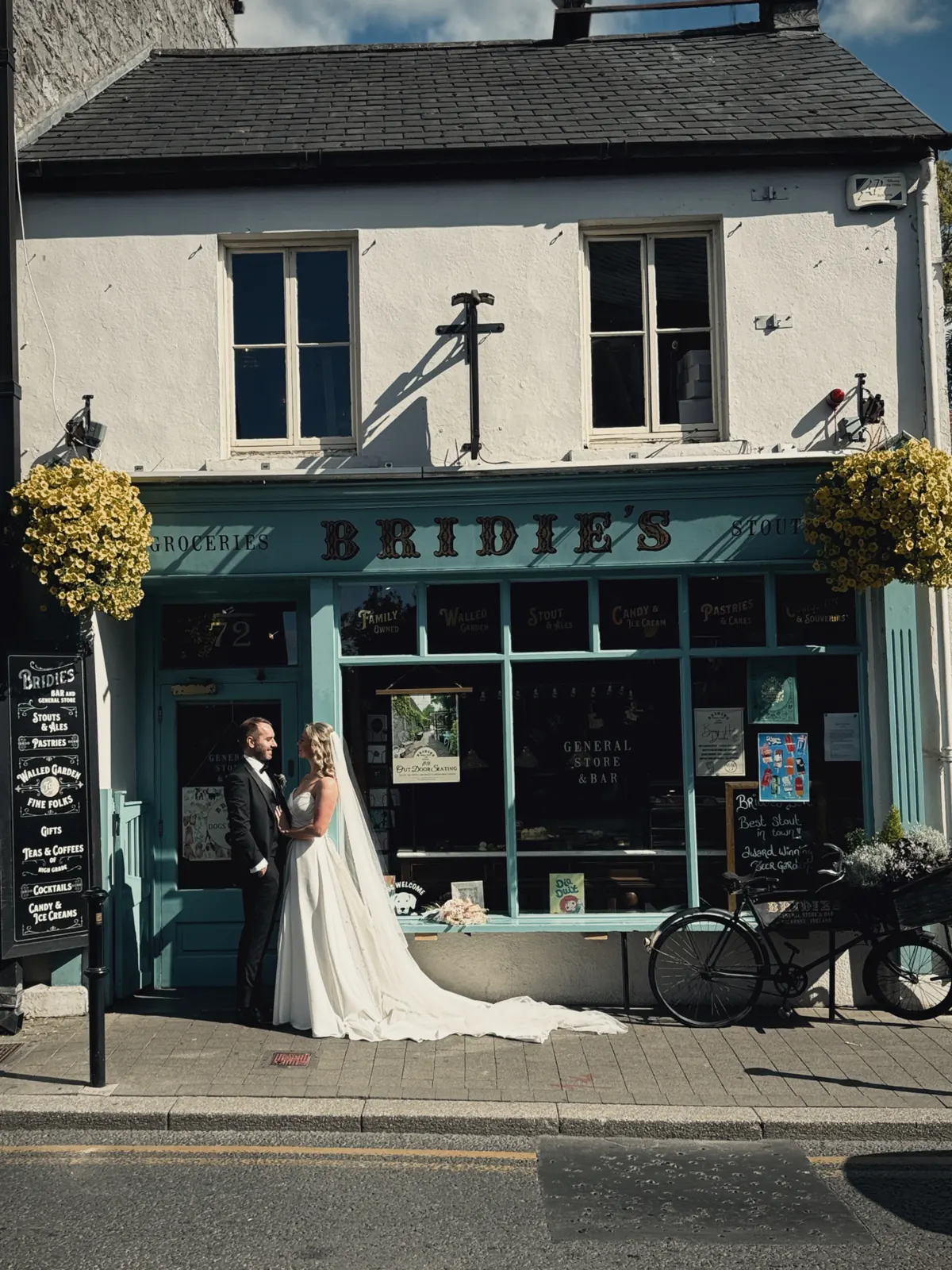
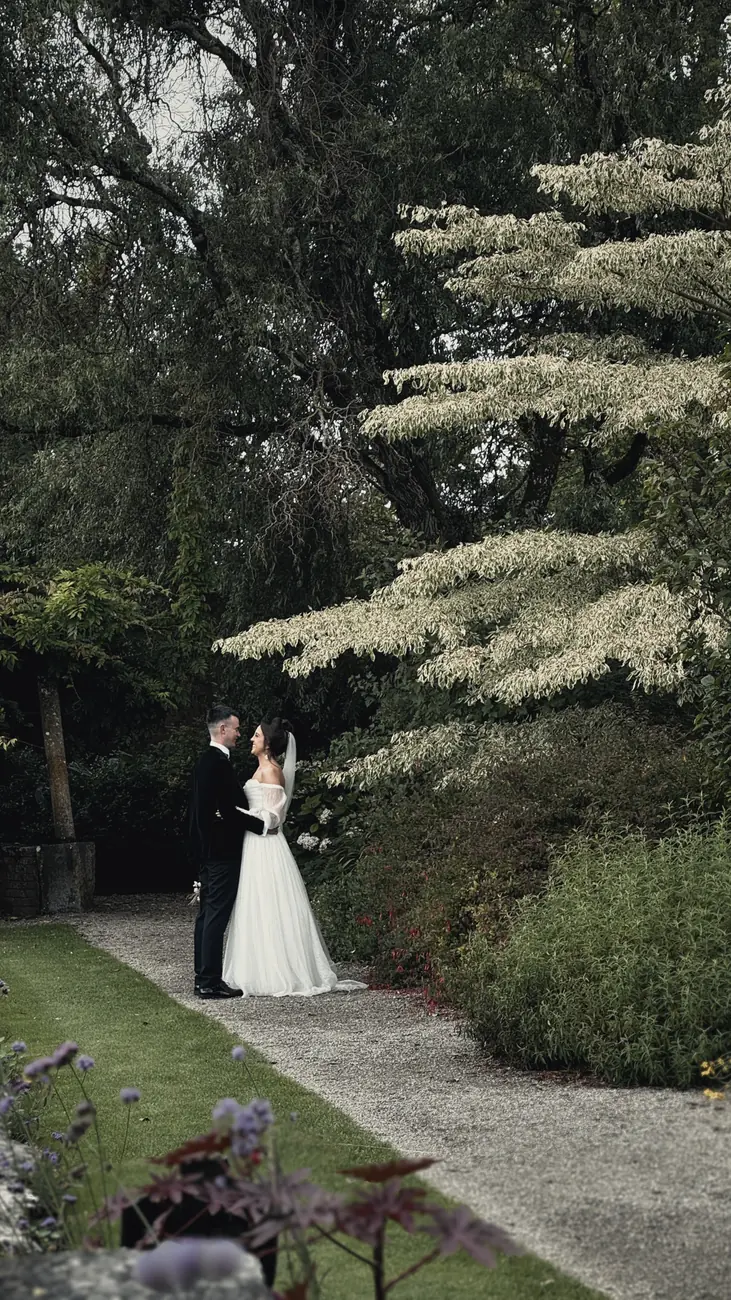
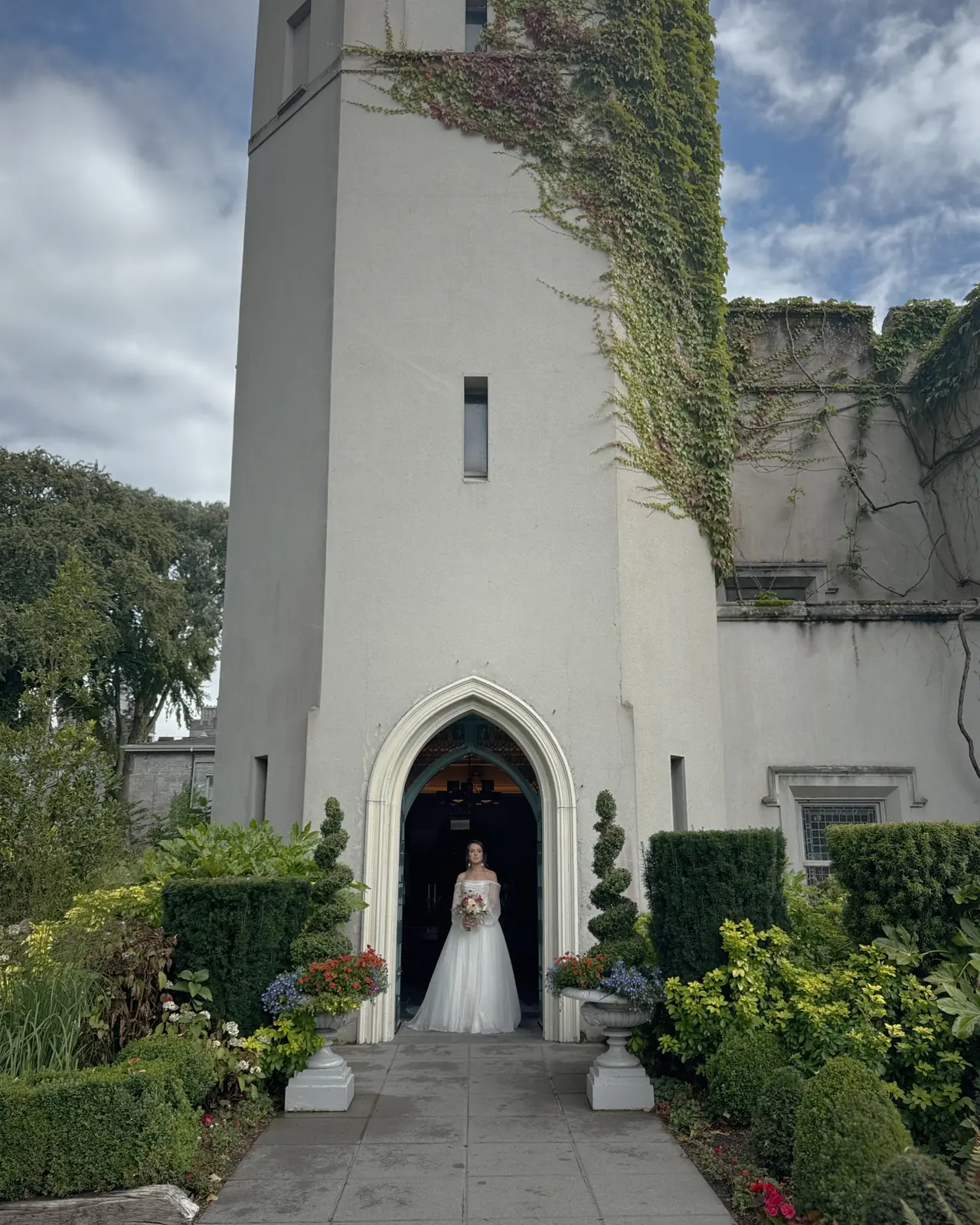
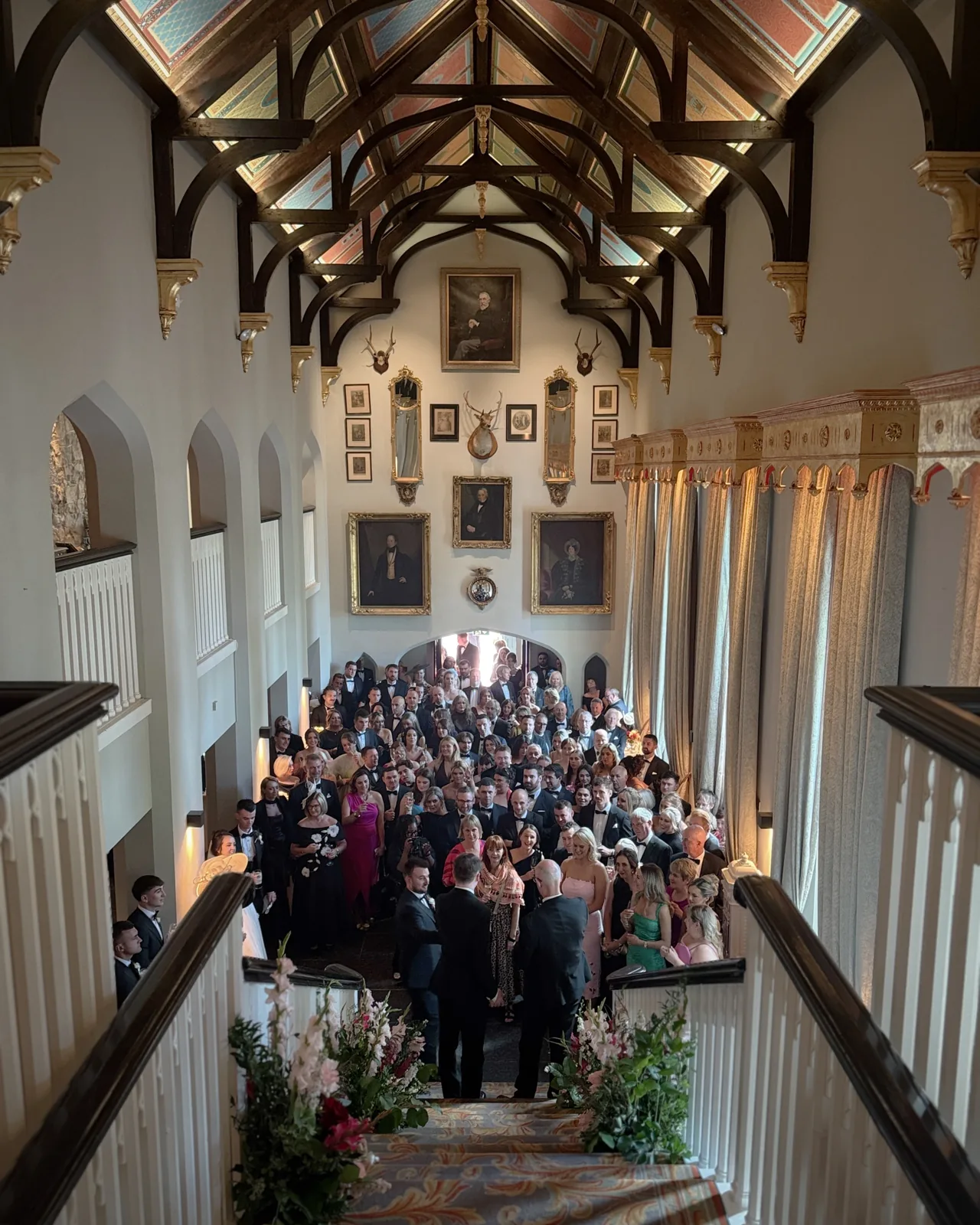
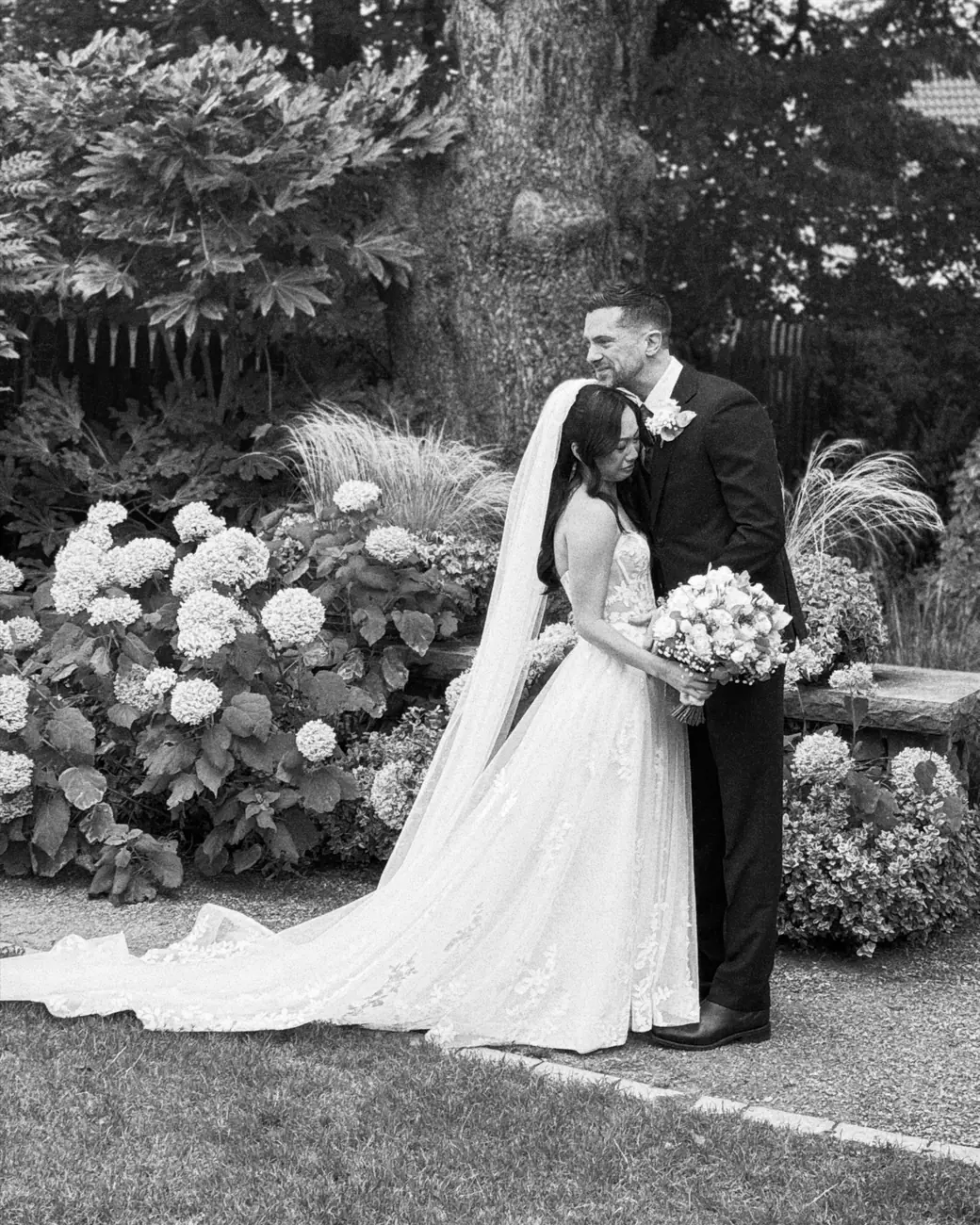
Two documents, and you need both
There will be a planner's timeline, and it is not a photography schedule. It is built around catering, load-ins and the kitchen, which is not the same thing as what photographs well.
So we write a second one with only the blocks we need, and send it to whoever is running the day. It never supersedes the planner's. It sits underneath it.
What you want, as a couple, is to know which of the two documents the venue is actually working from, and where the deadlines are. If the room has to be flipped by four, that is a fact about your afternoon.
One of us builds this in a spreadsheet with quarter-hour rows. The other writes four lines on the back of a notebook and keeps them in his head. Both work, which is mildly annoying.
The ten minute escape
Every drive takes twice as long as the map says, because people get into cars in the order they always get into cars. A fifteen minute drive is budgeted as thirty, and half an hour between venues as forty-five minutes.
Then the light. Look up the actual sunset time for your date and your venue rather than the month in general. If it falls in the middle of dinner, plan a ten minute disappearance: the two of you, a doorway, and everyone else carrying on with their soup. Ten to fifteen minutes, starting a quarter of an hour before sunset, is when the sky does most of the work. Dancing is smaller than couples expect. Fifteen minutes of it is what most people actually want photographed.
The honest answer
No timeline survives contact with a wedding day. The times look long on paper and most weddings still run slightly behind. Everyone who has done this for a few years builds in the expectation of being late, including us.
Which is why the buffer belongs at the front, in the morning, where nothing is scheduled to happen in front of guests. A morning that runs twenty minutes late costs a photograph of the shoes. An afternoon that runs twenty minutes late costs the light.
Build the photography blocks first. Then let the rest of the day argue with them, and see what wins.