Working Together5 min read
Photography, film and content with one team
Three jobs, one wedding, and nobody standing in the aisle wondering whose shot this is.
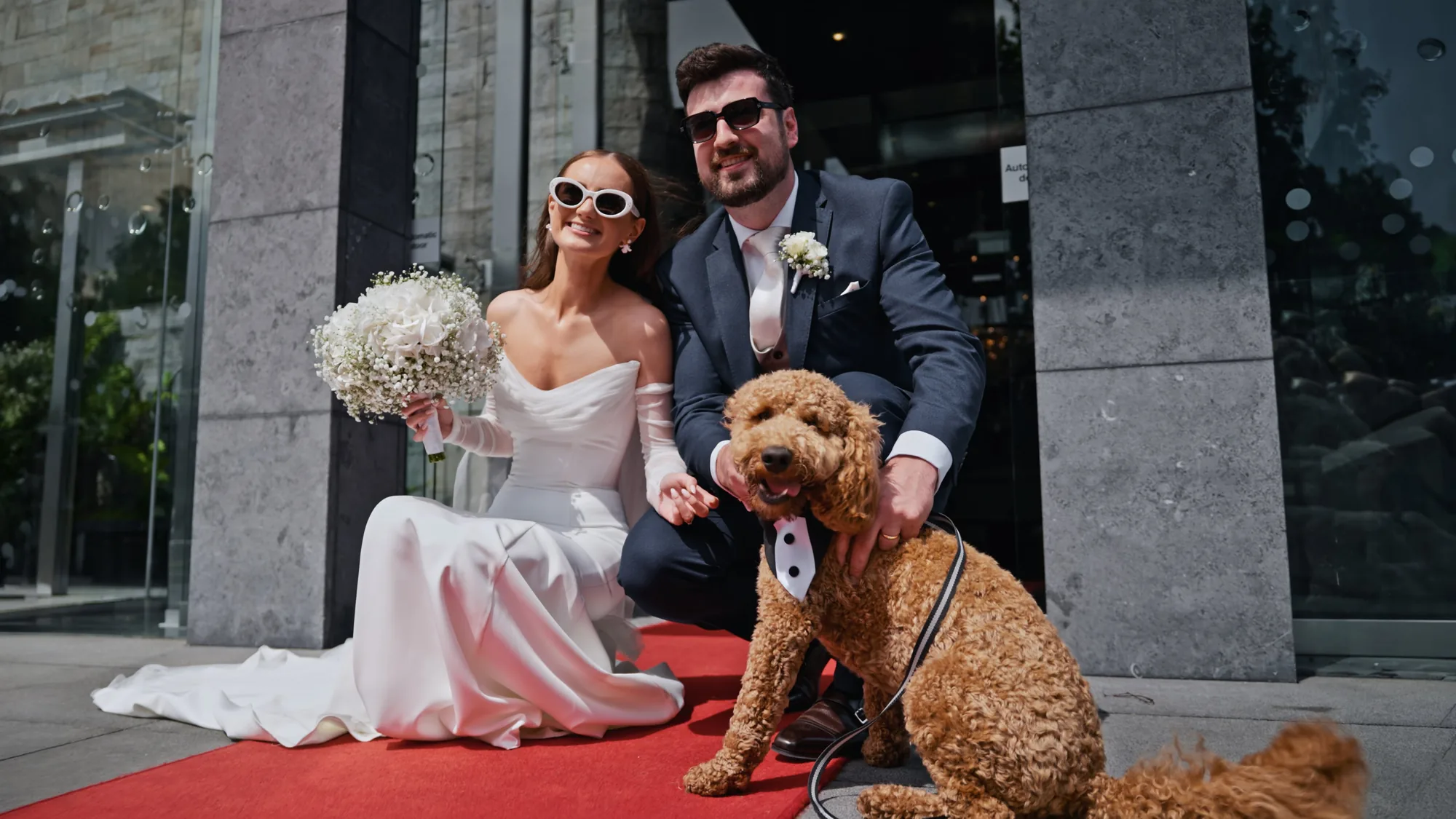
Two people, three jobs, one plan for the day.See the work
There is a version of a wedding day with three separate crews on it, and it works, mostly. Then comes the moment in the church porch when a photographer, a videographer and a content creator all ask the couple to look at them at the same time, and the couple look at nobody.
That is the problem one team is meant to solve. Not the number of people. The number of instructions.
A still gives
you longer.
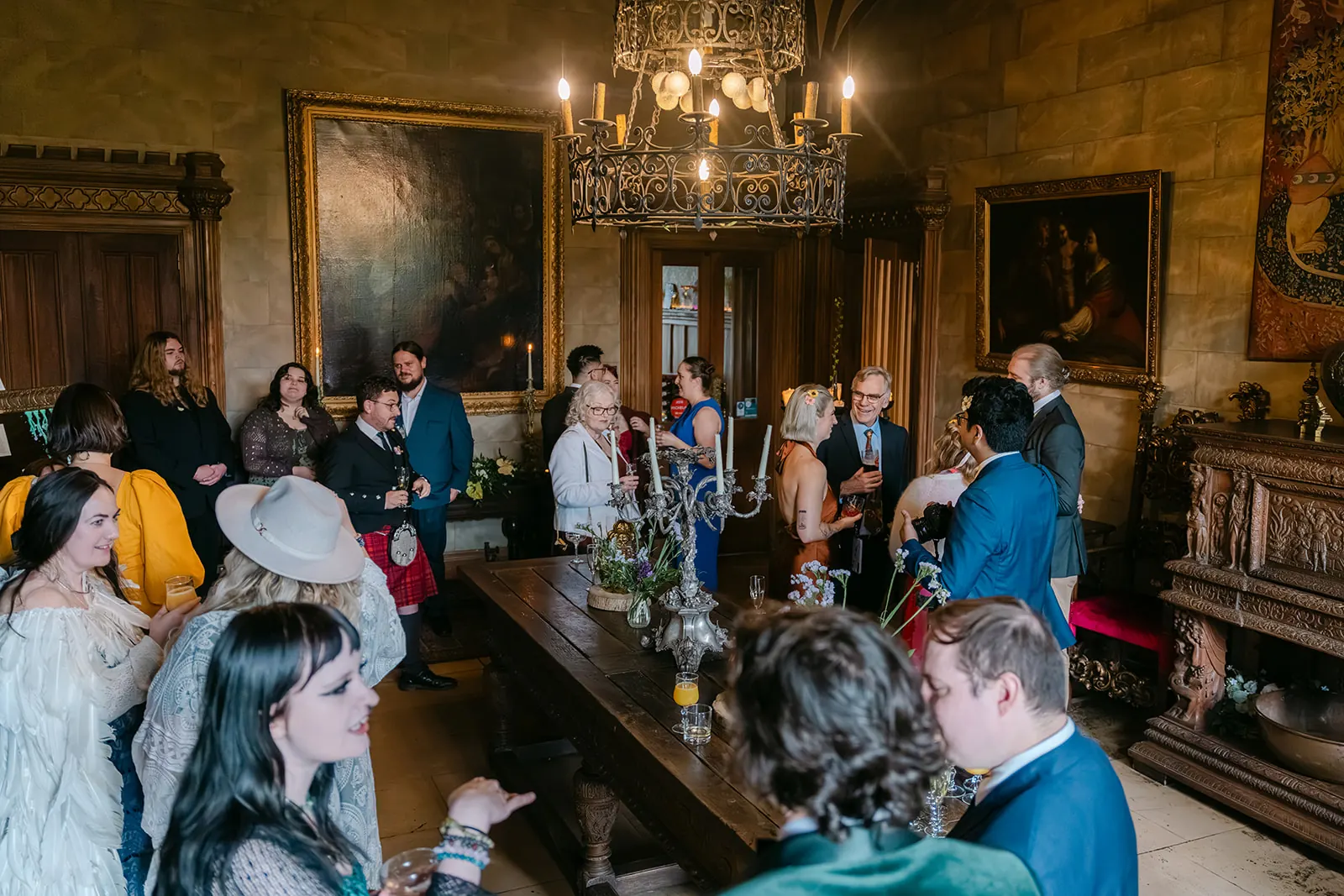
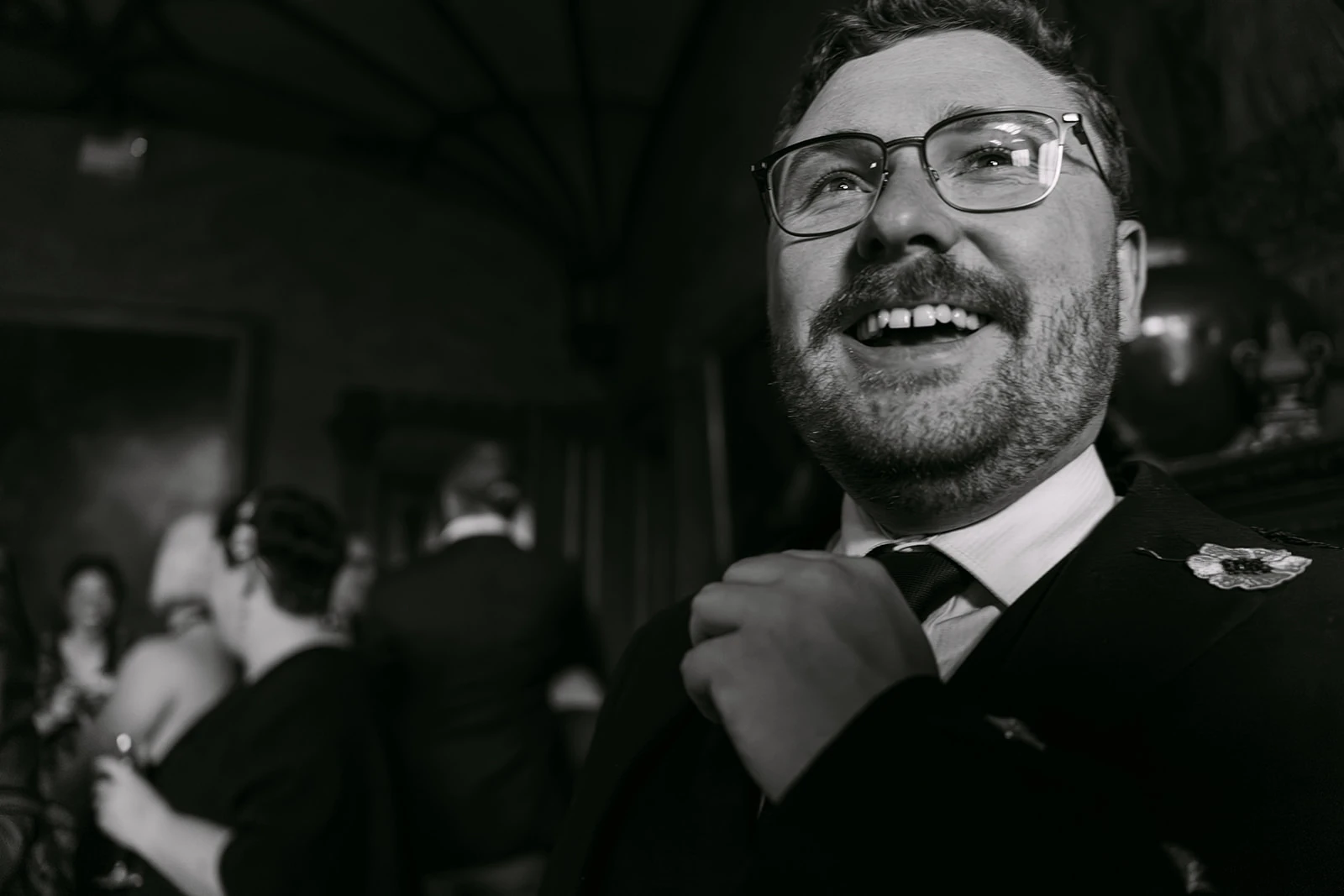
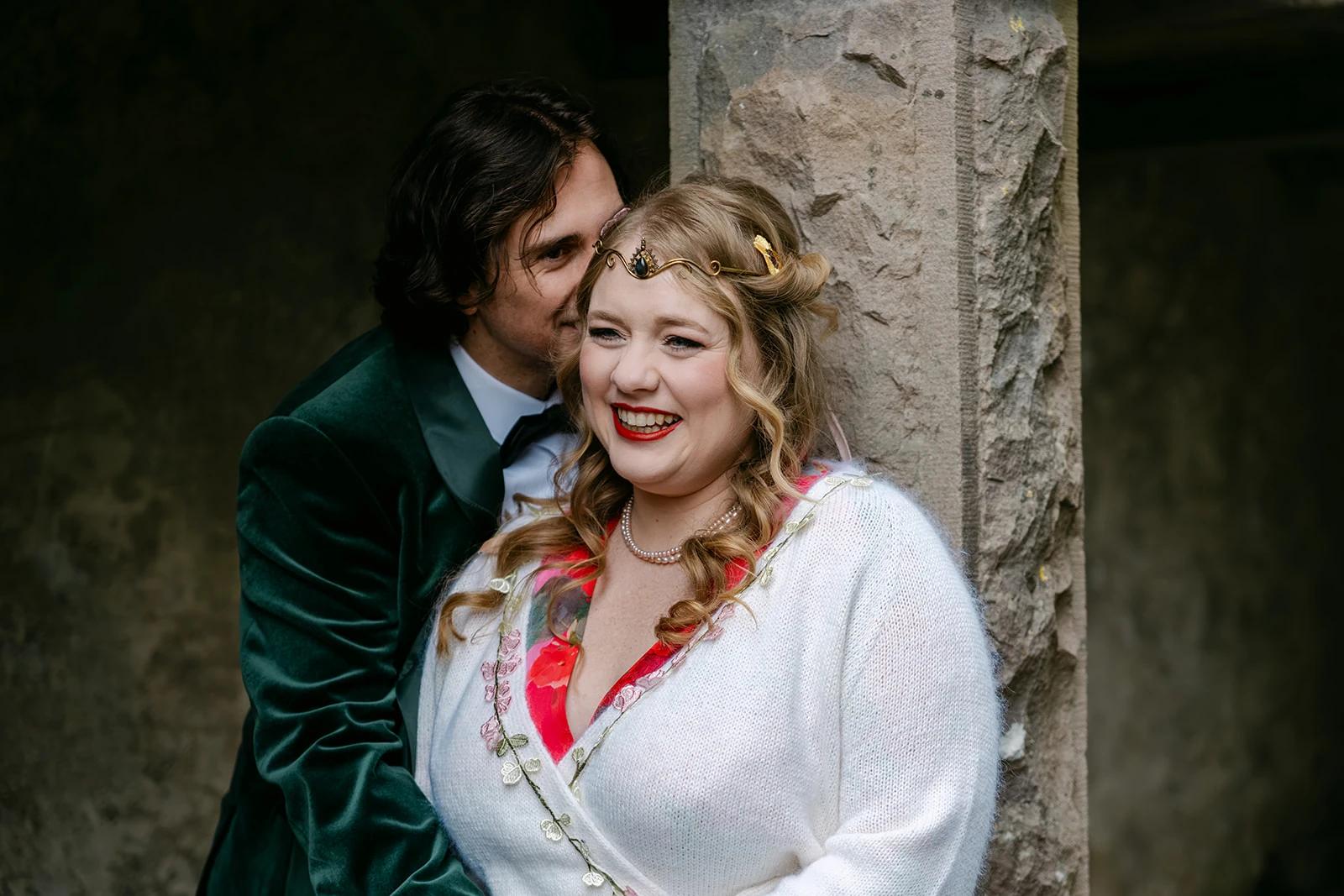
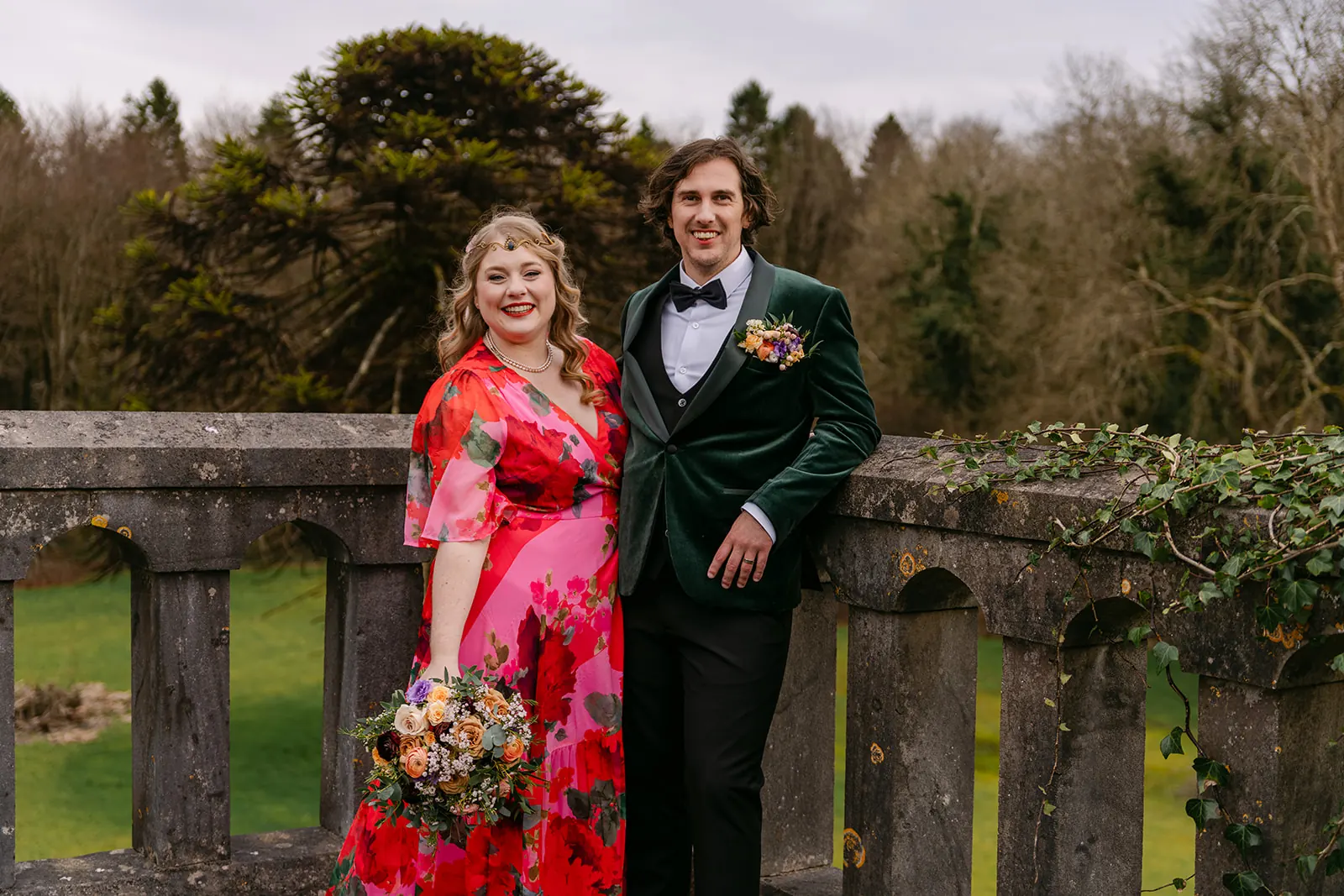
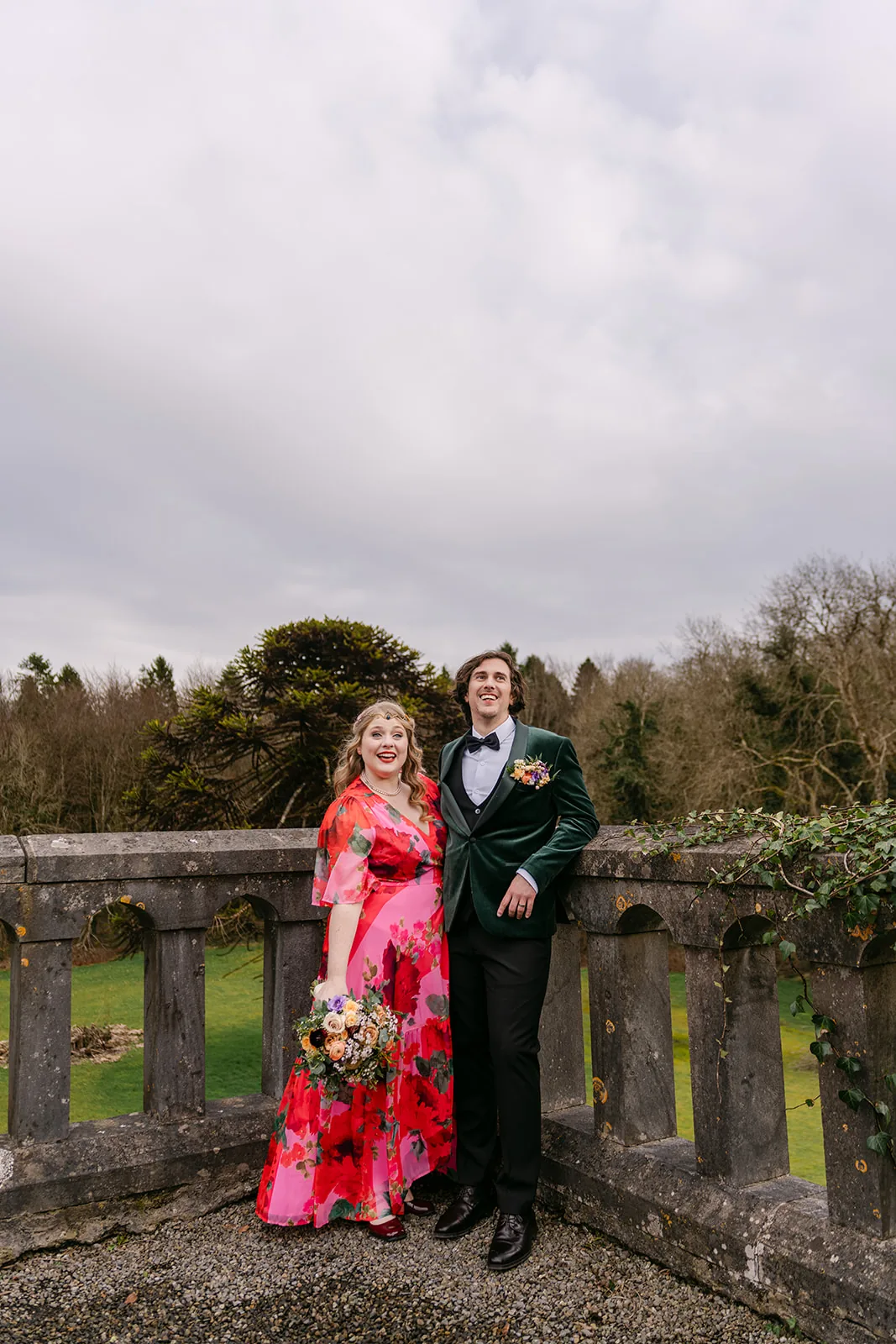
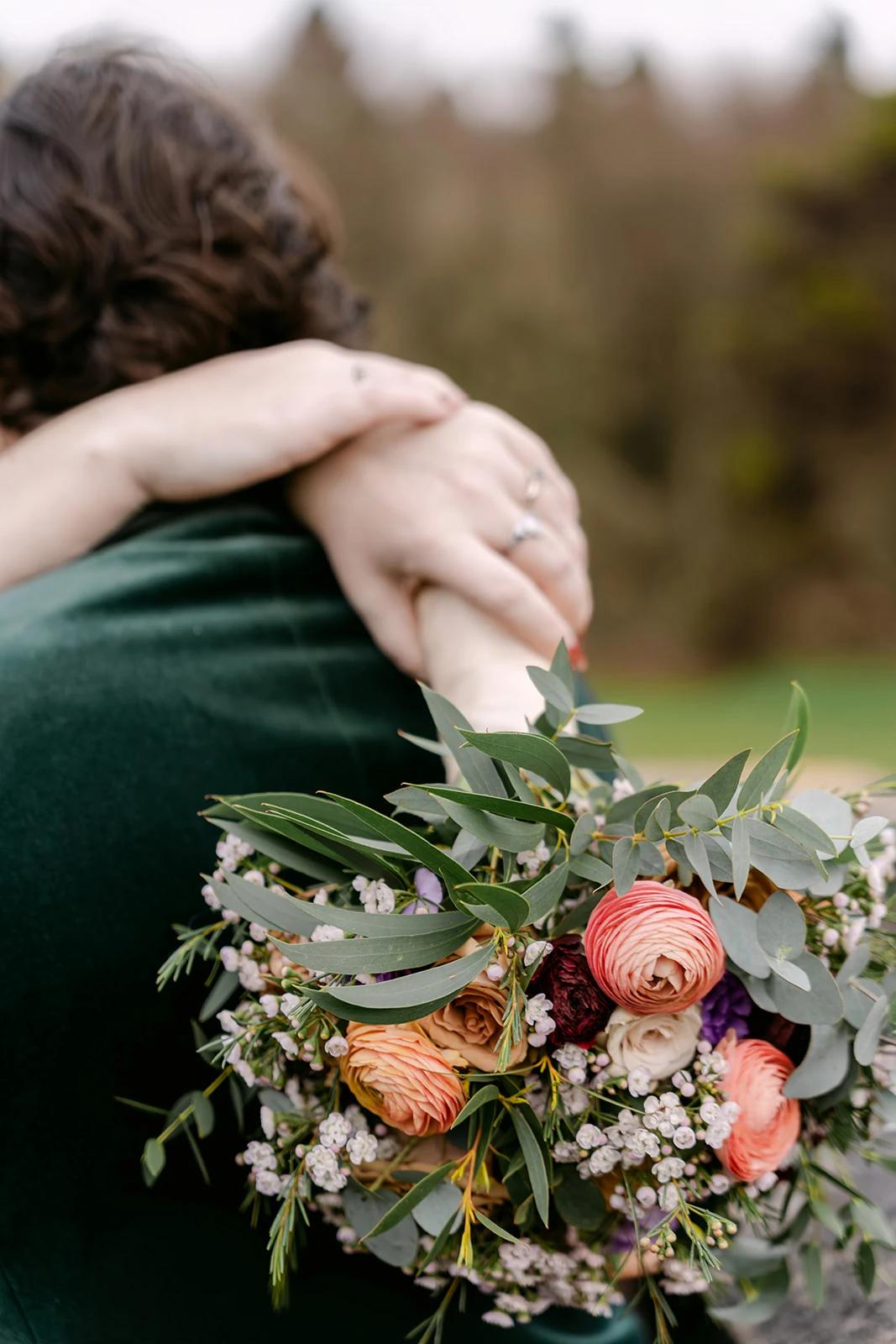
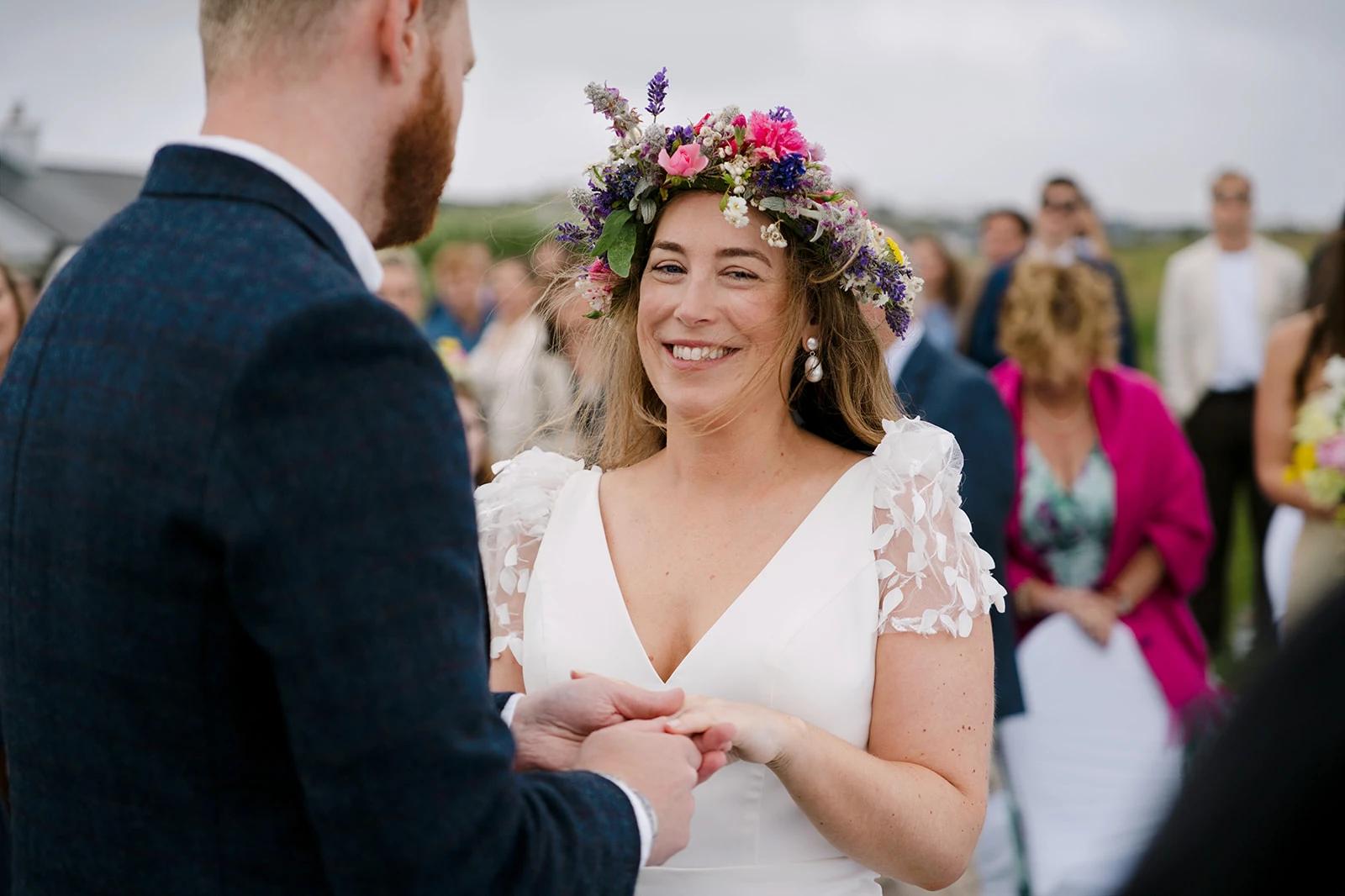
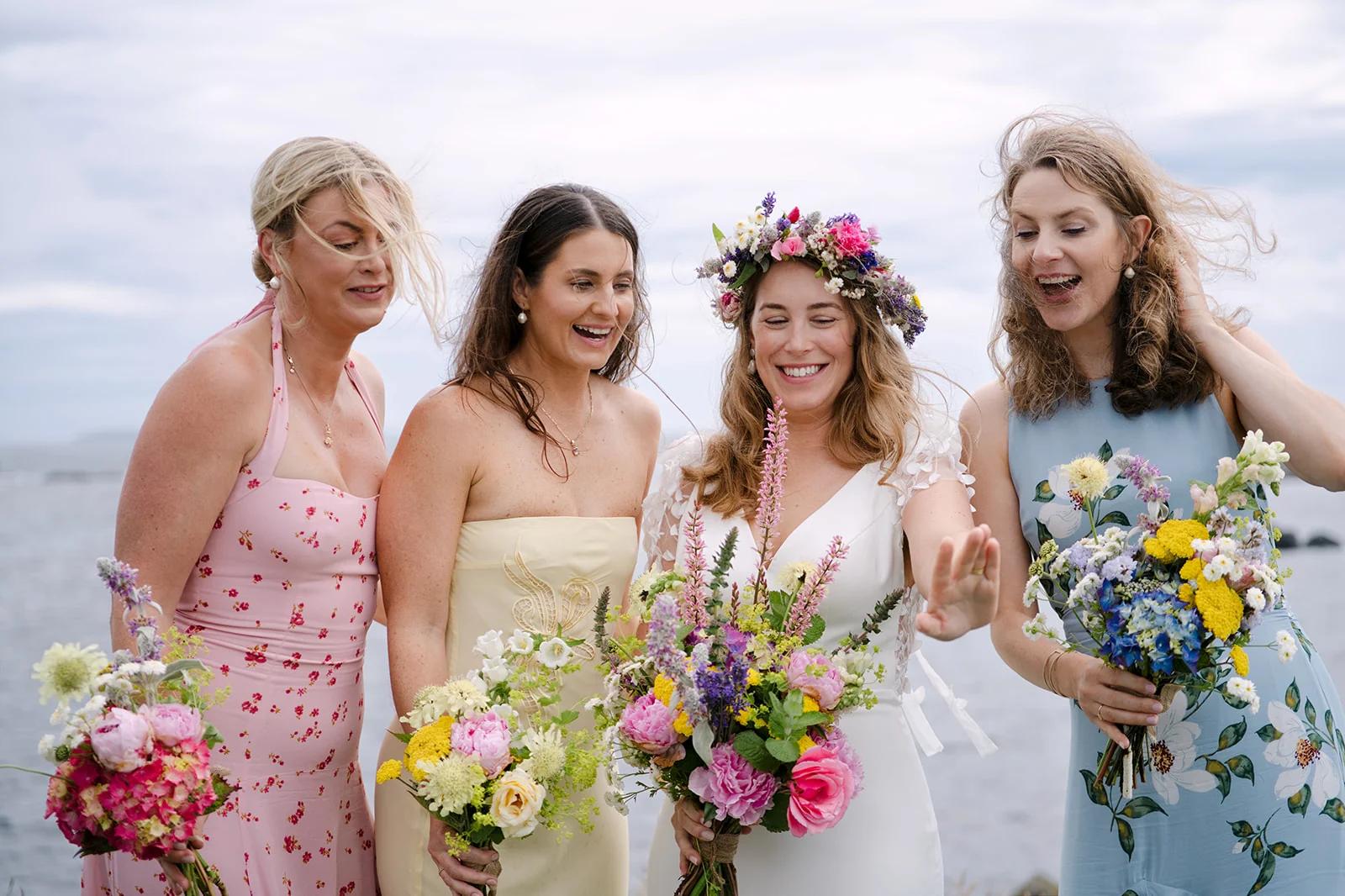
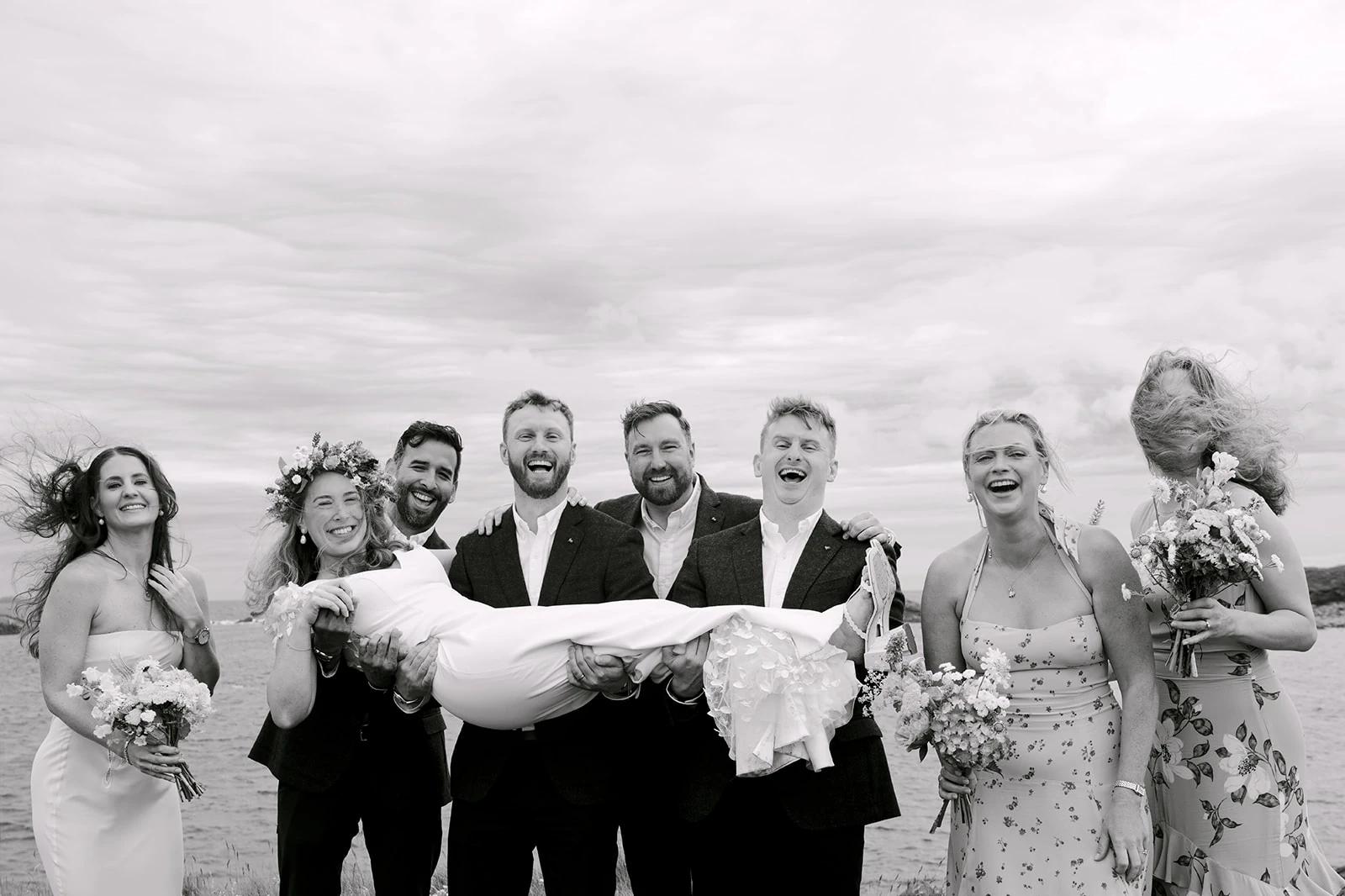
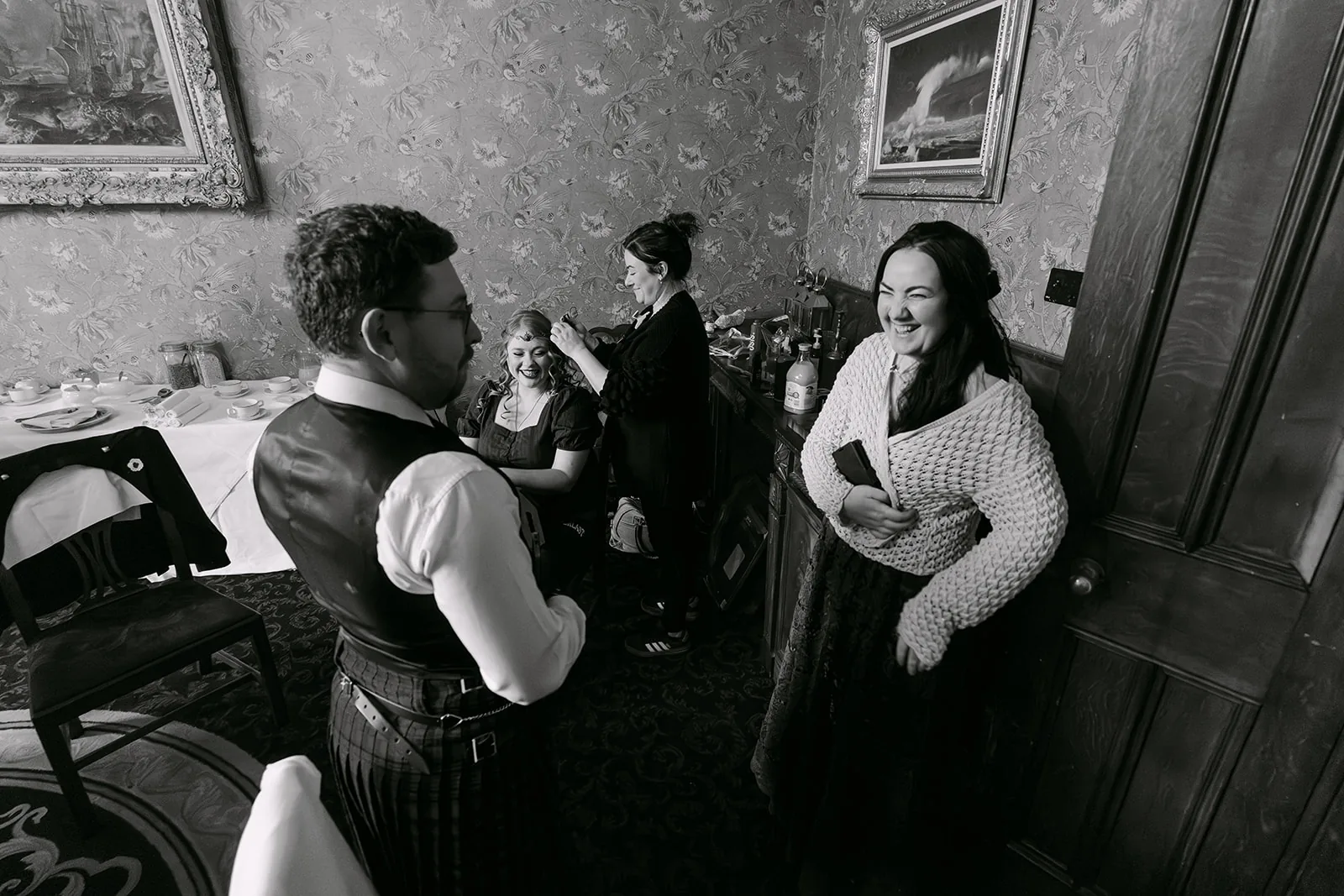
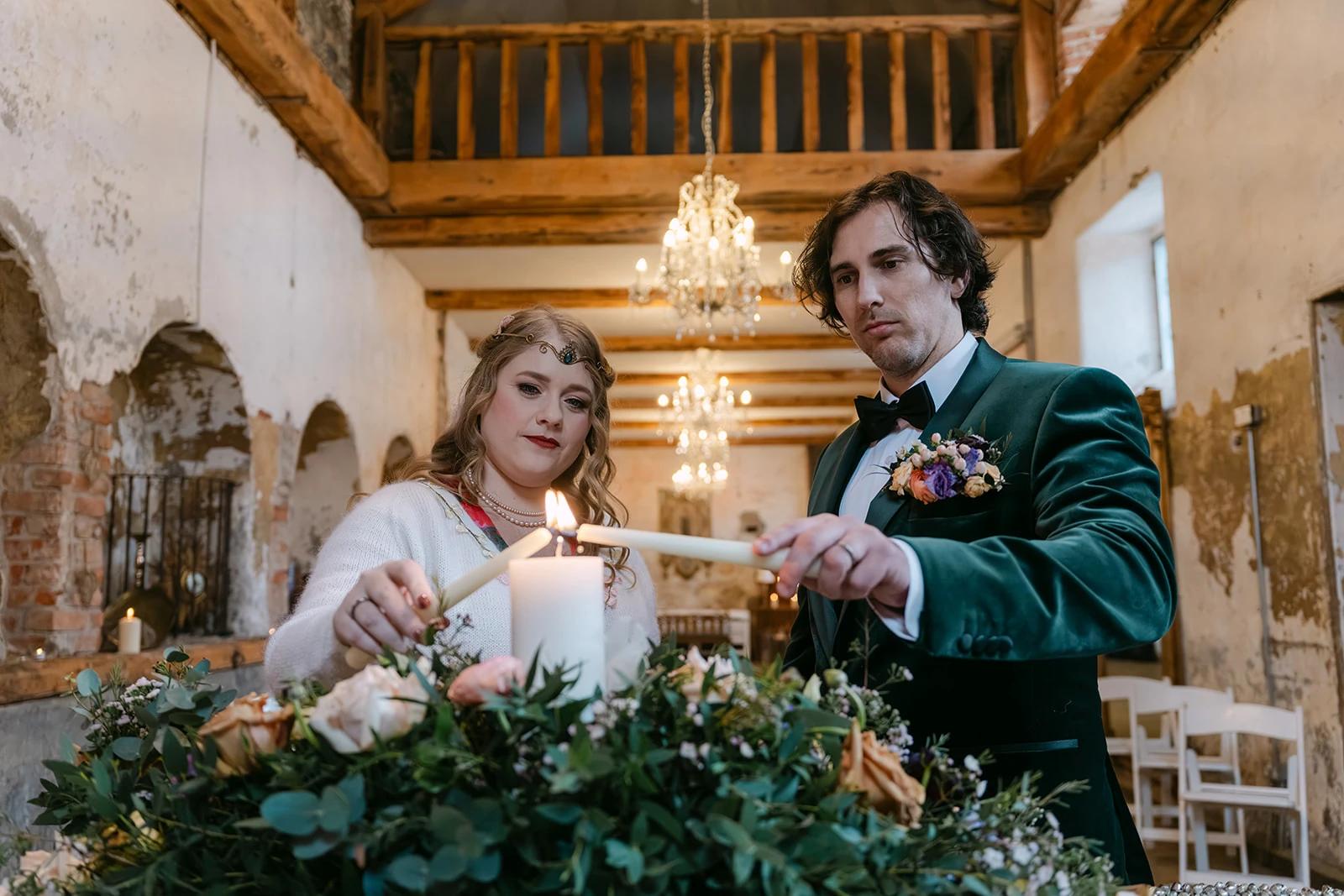
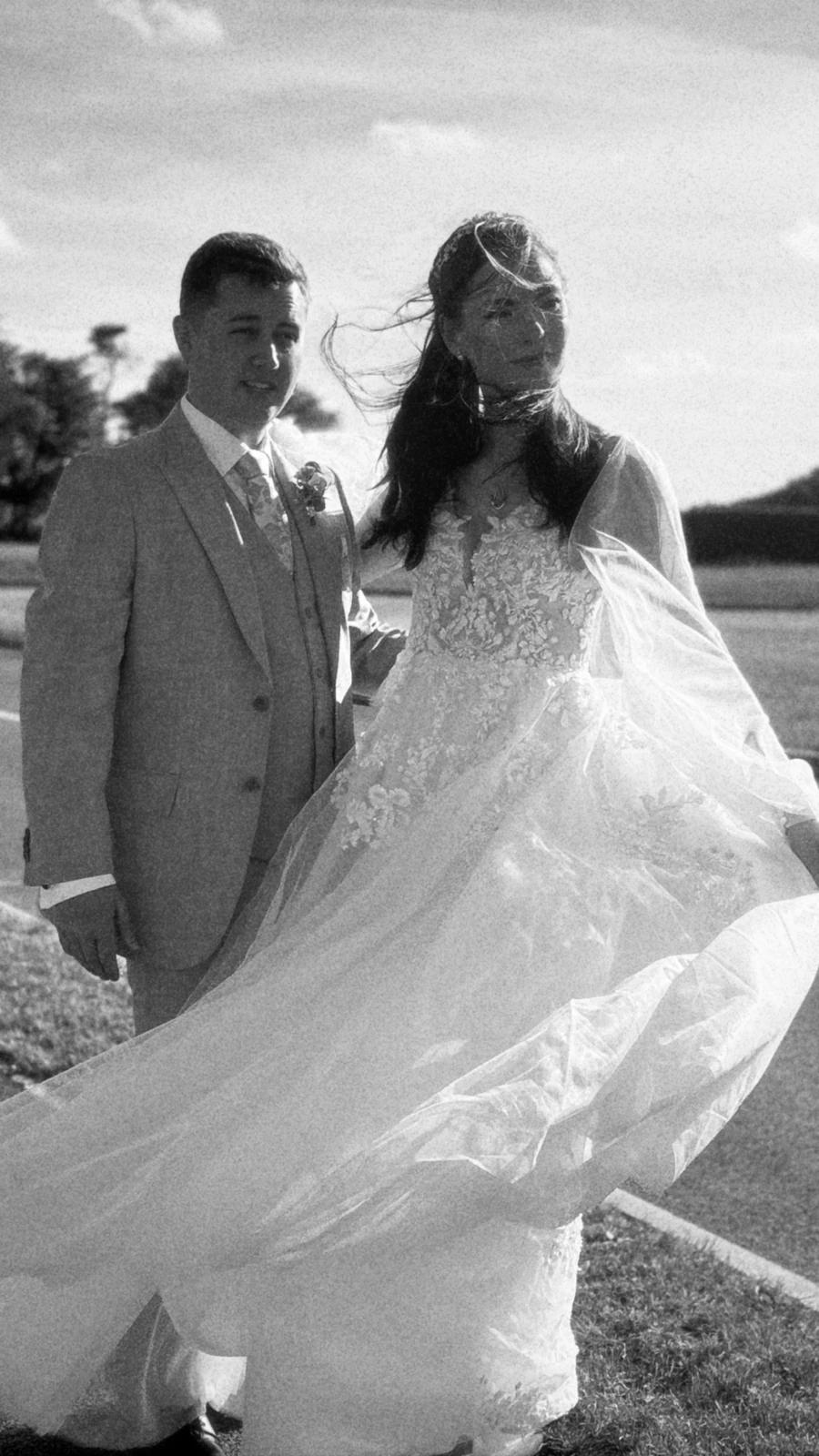
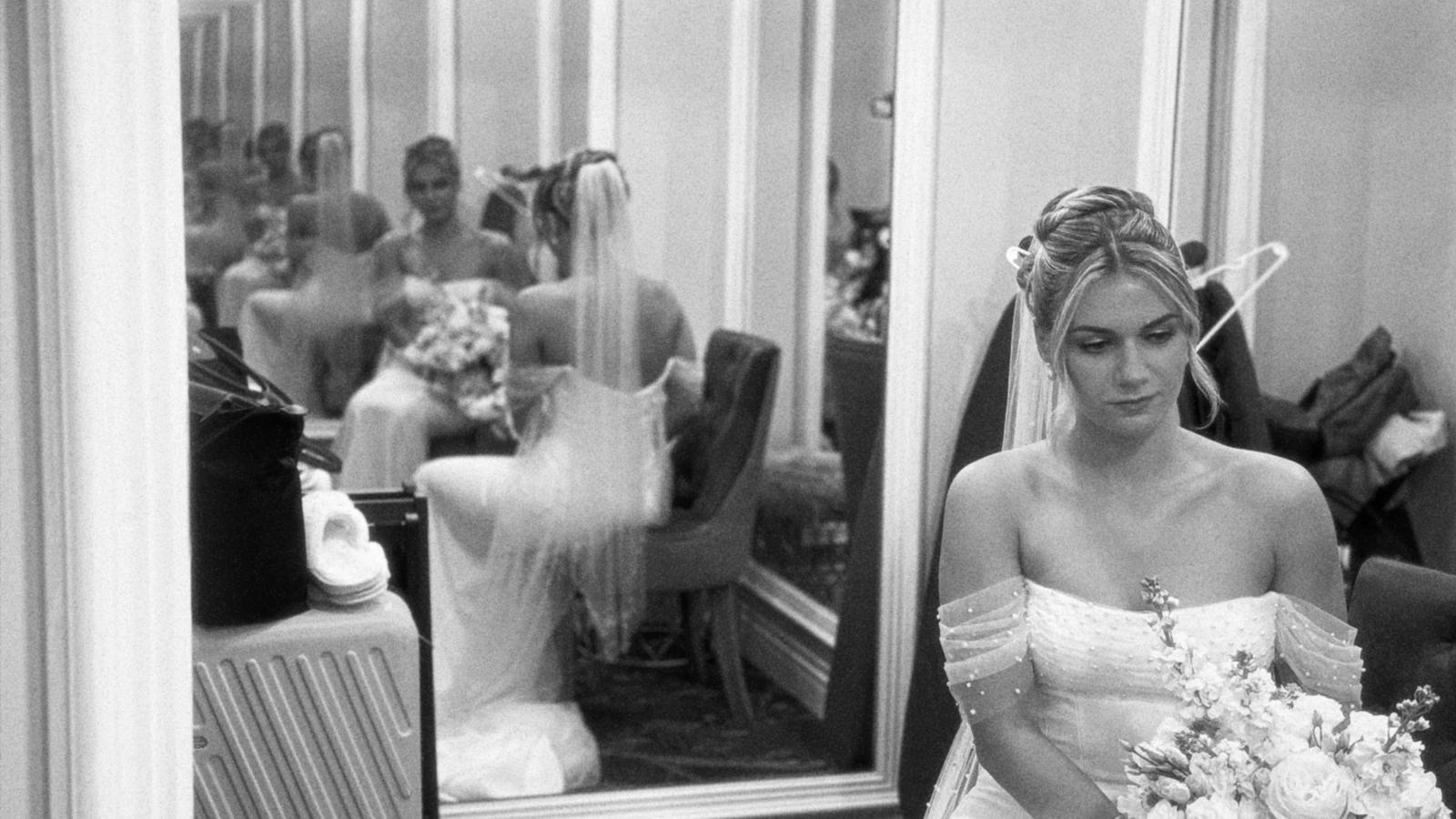
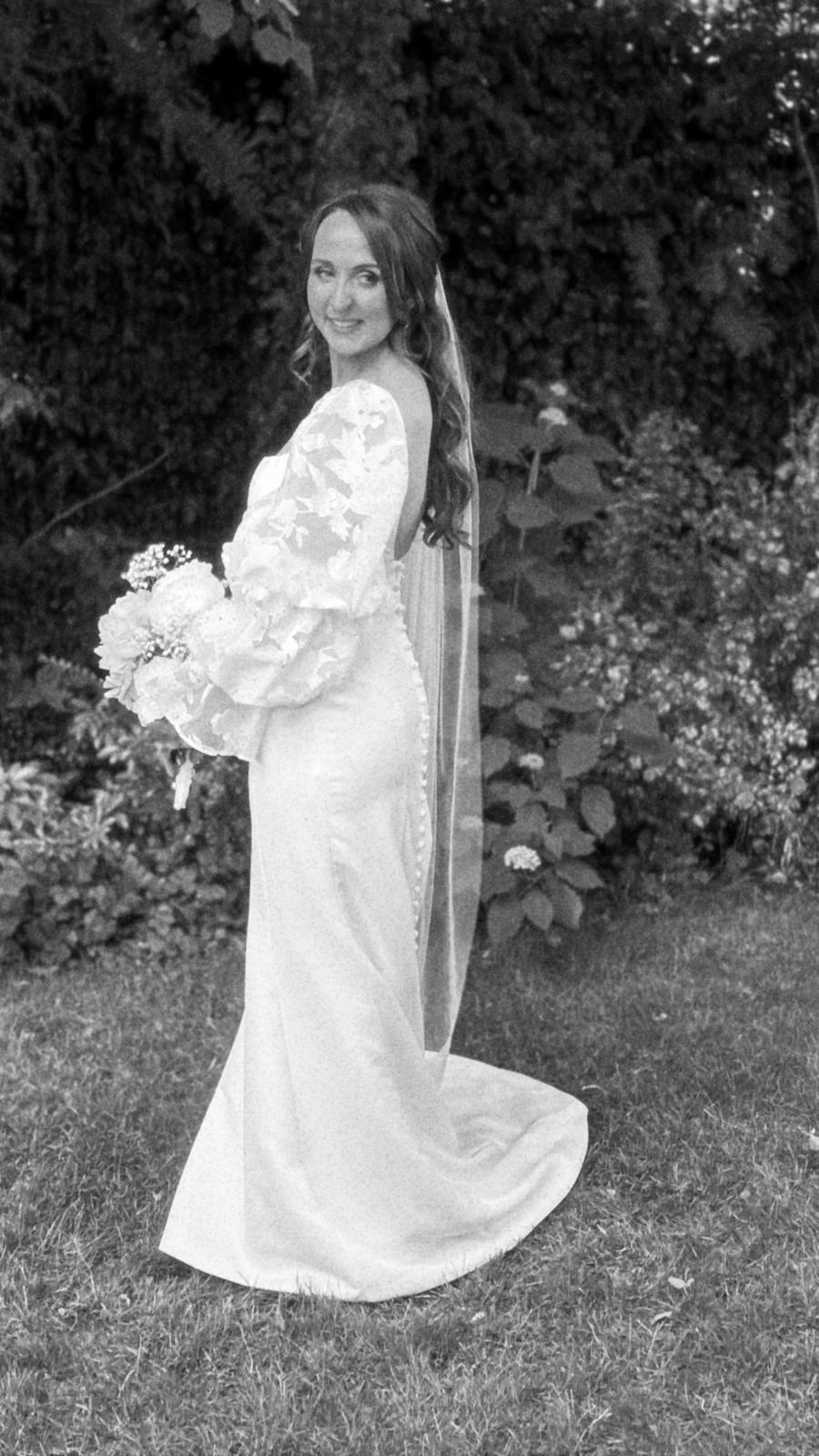
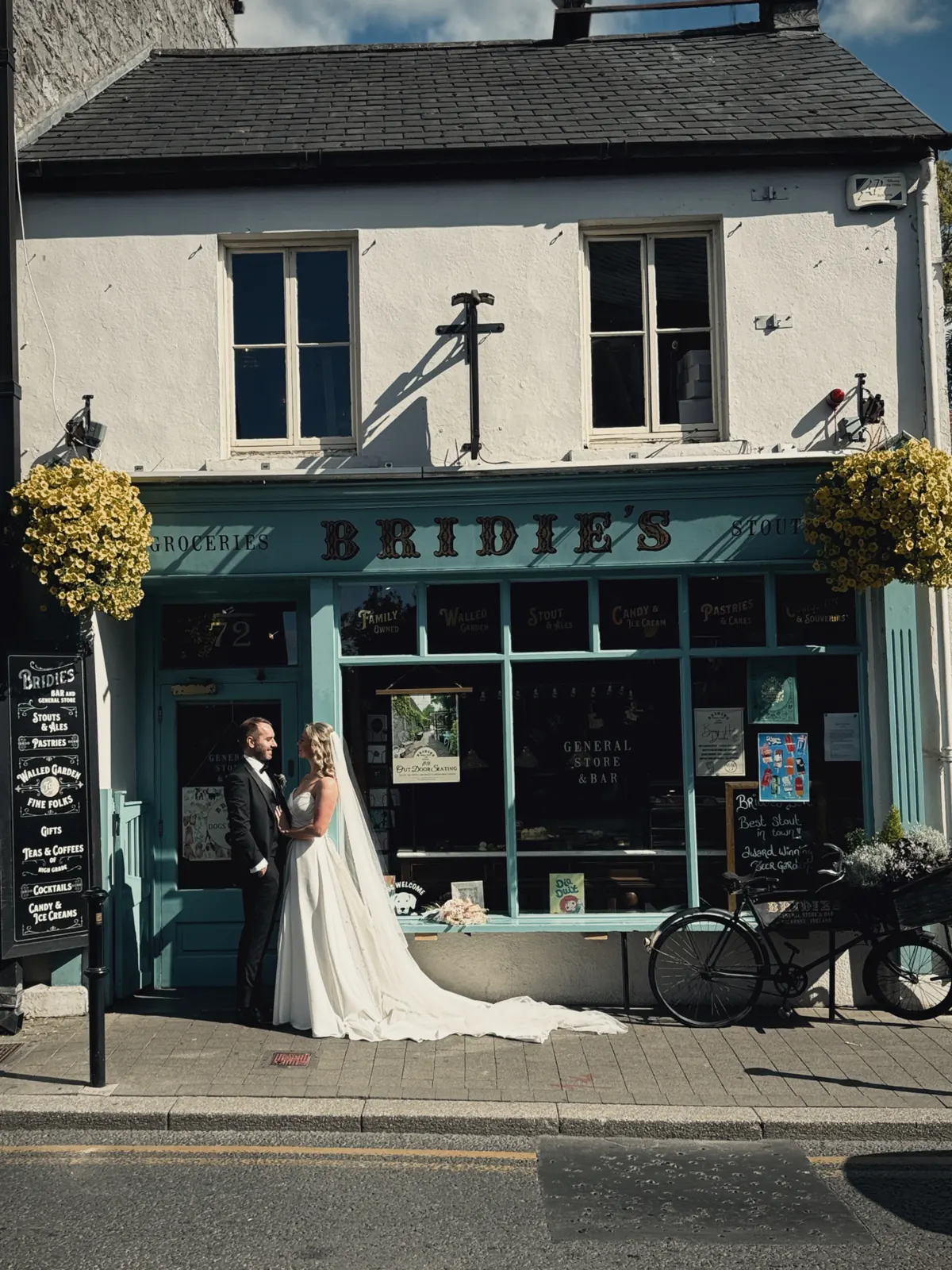
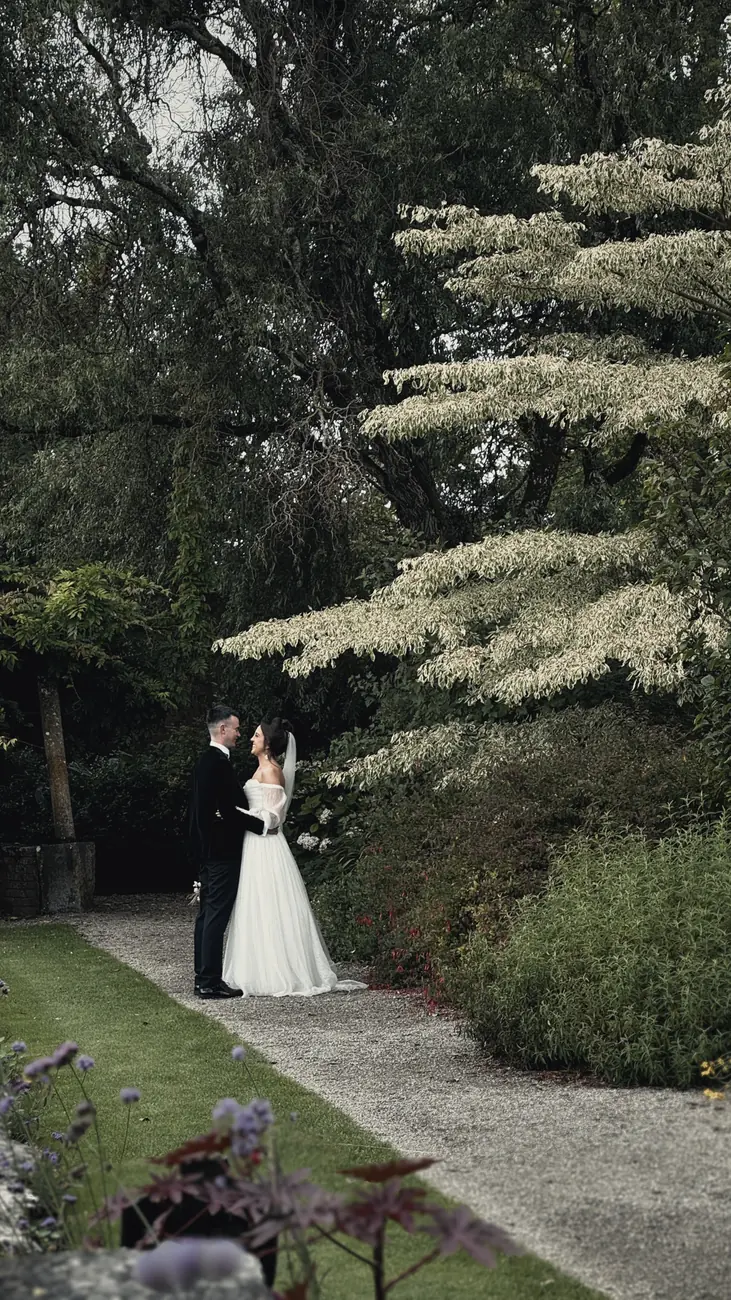
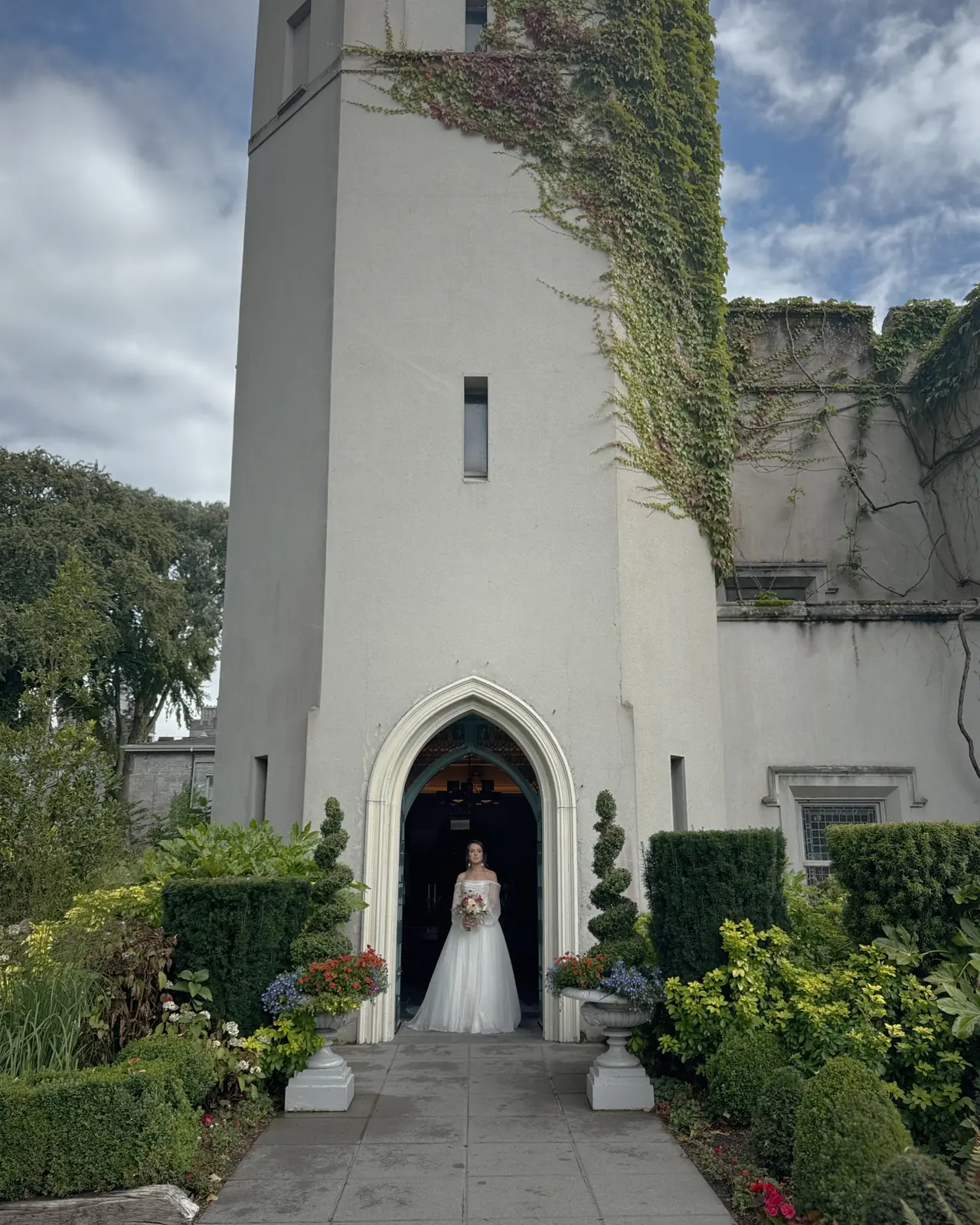
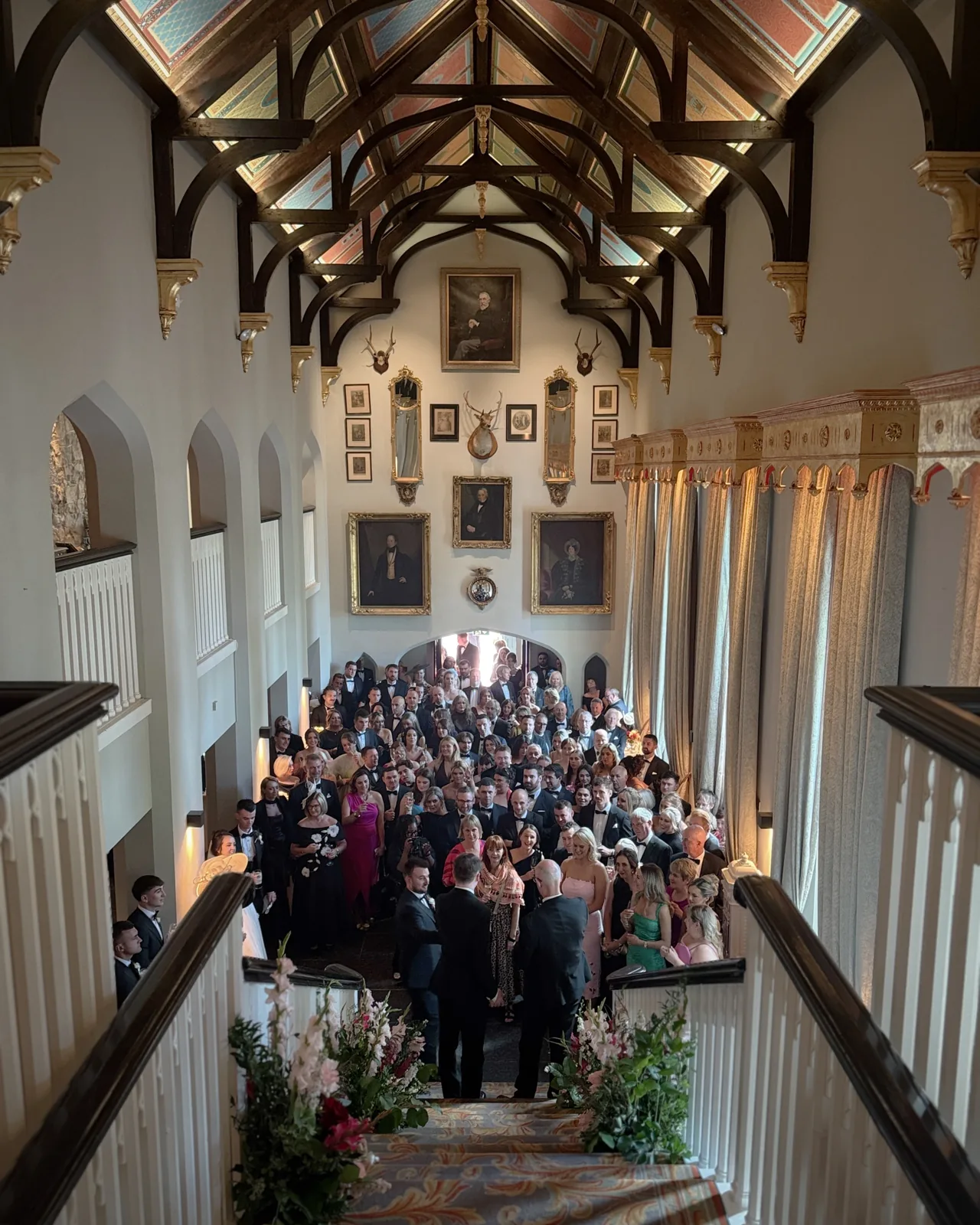
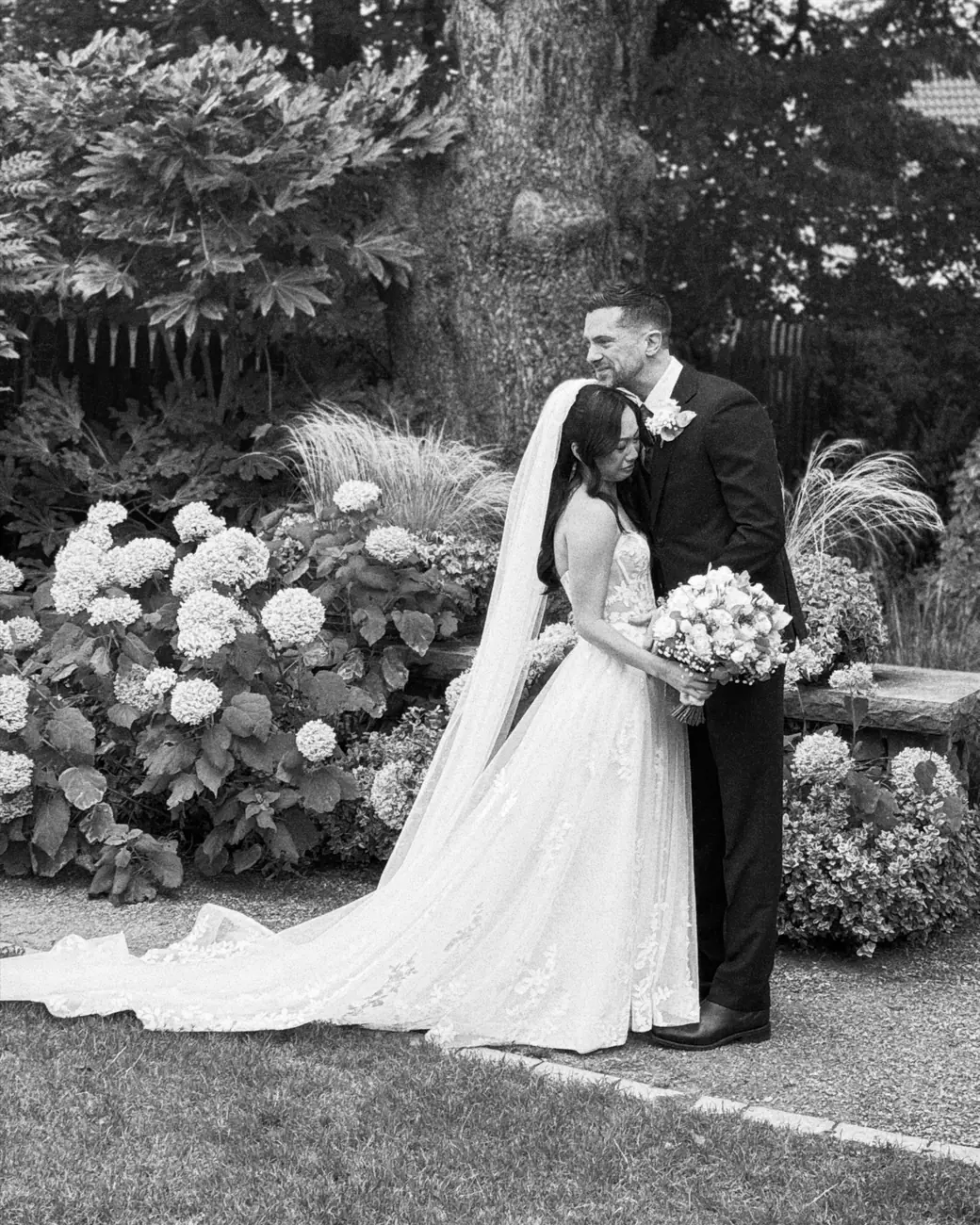
Wedding photographs for looking at properly. Portraits, atmosphere and the frame beside the obvious one. Some explain themselves immediately. Others are slower, which is useful.
See the full gallery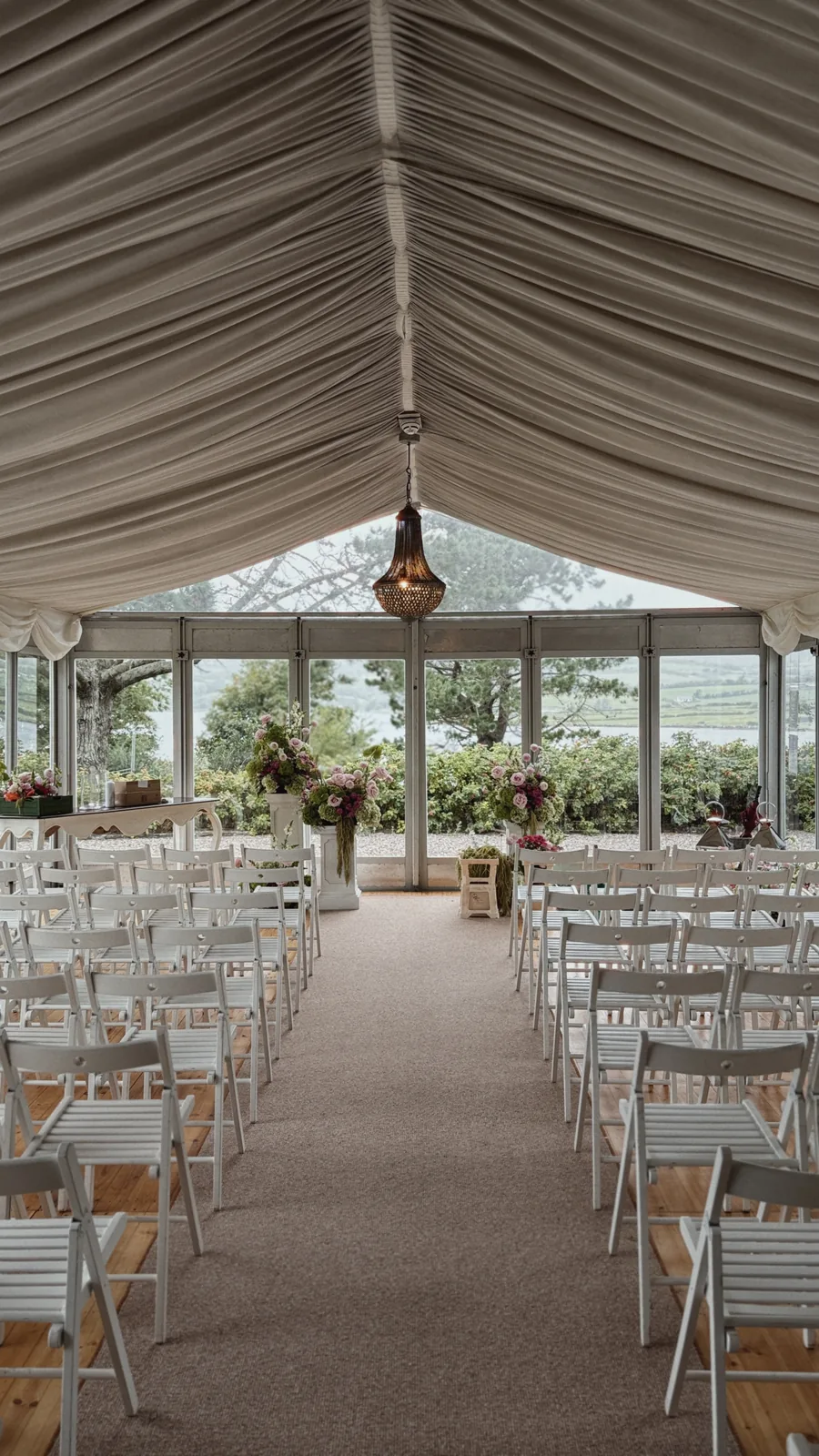
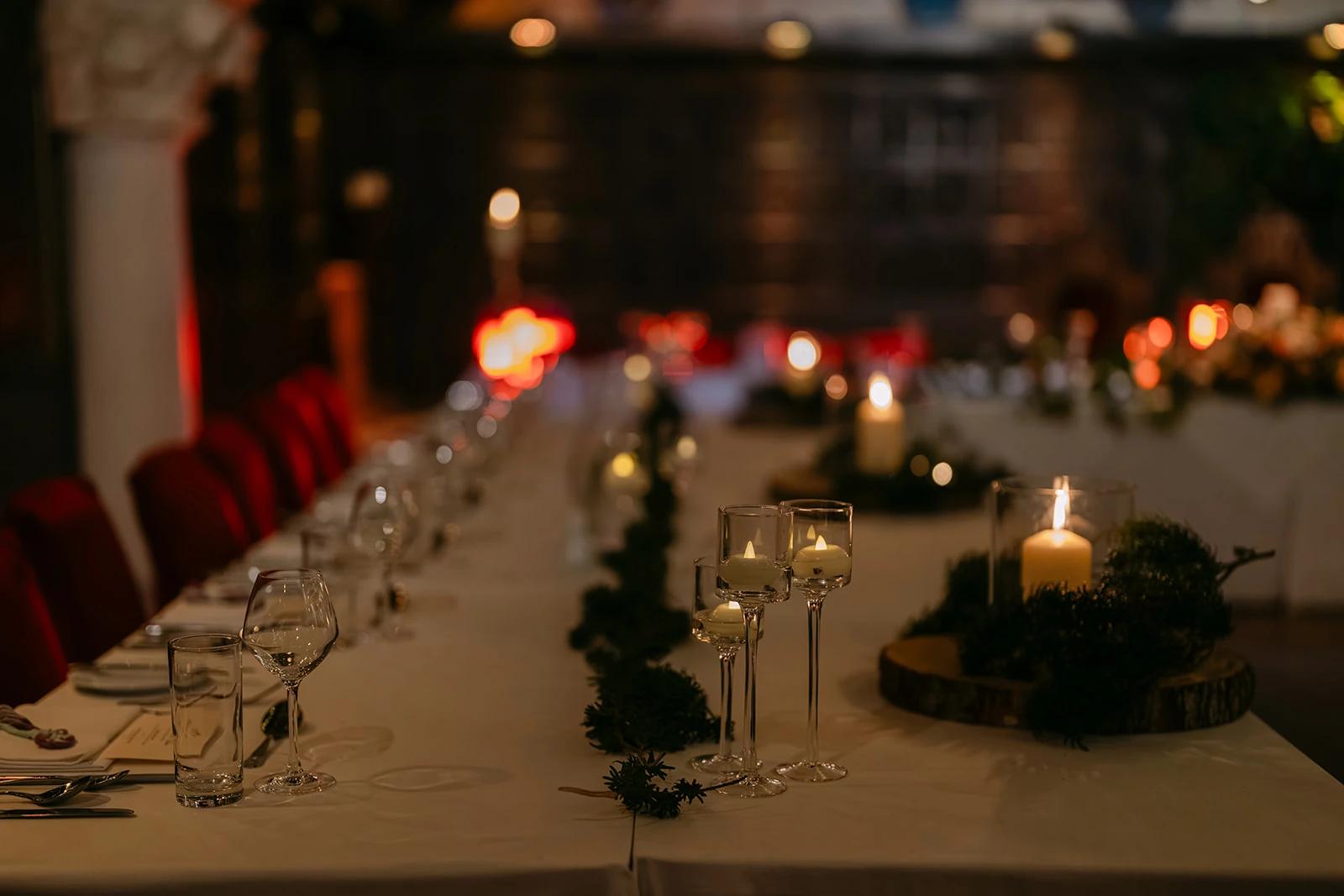
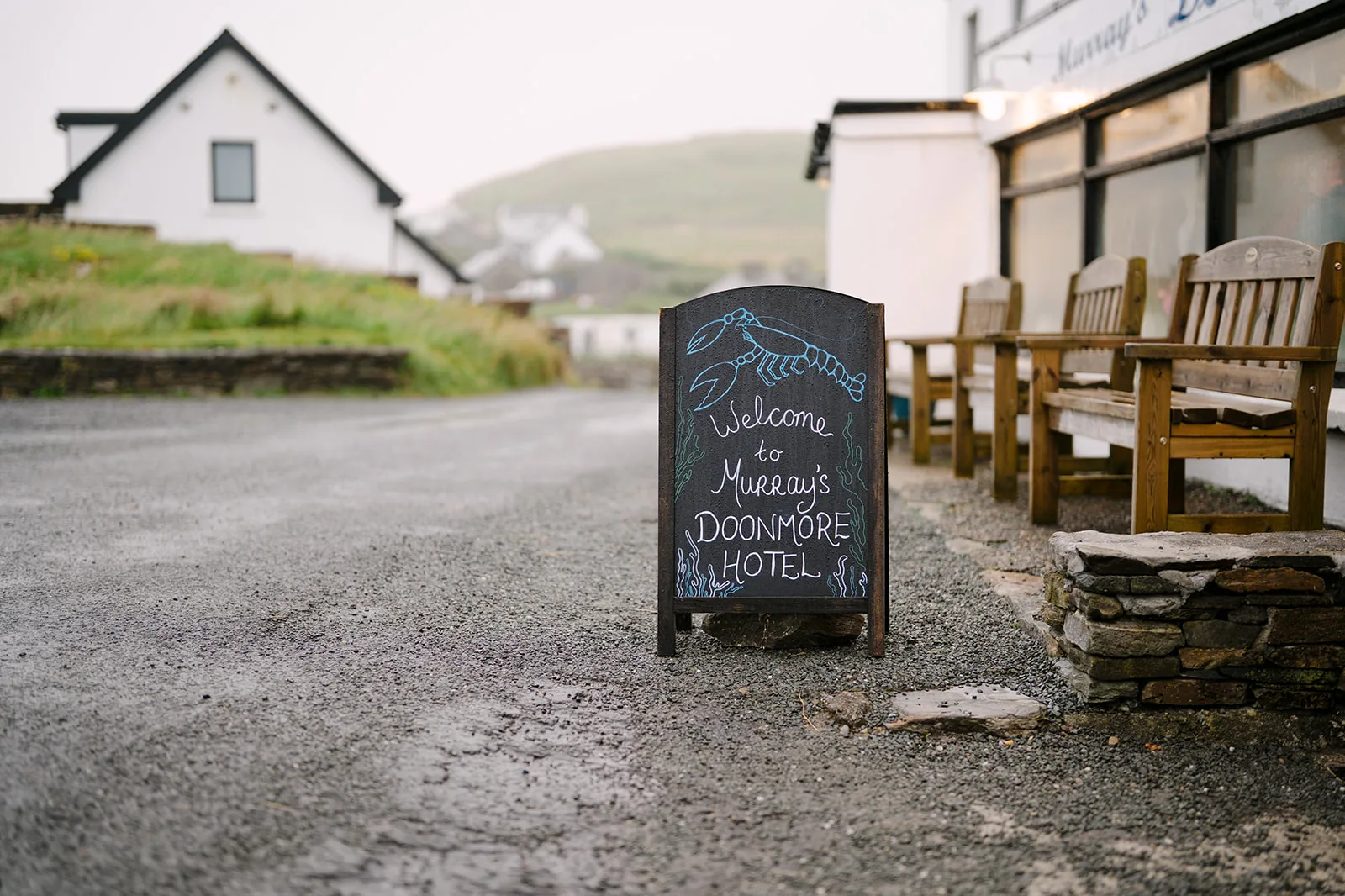
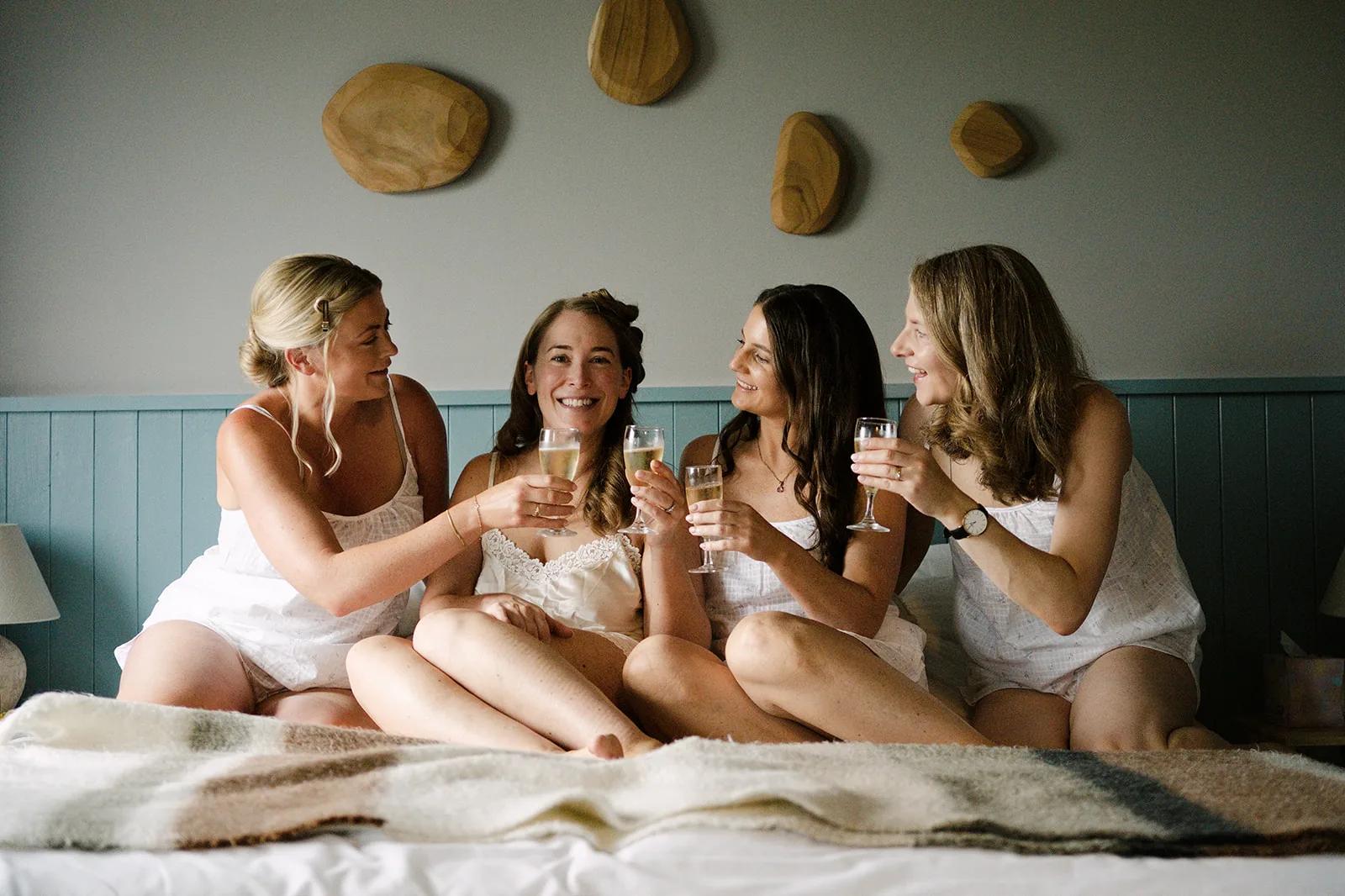
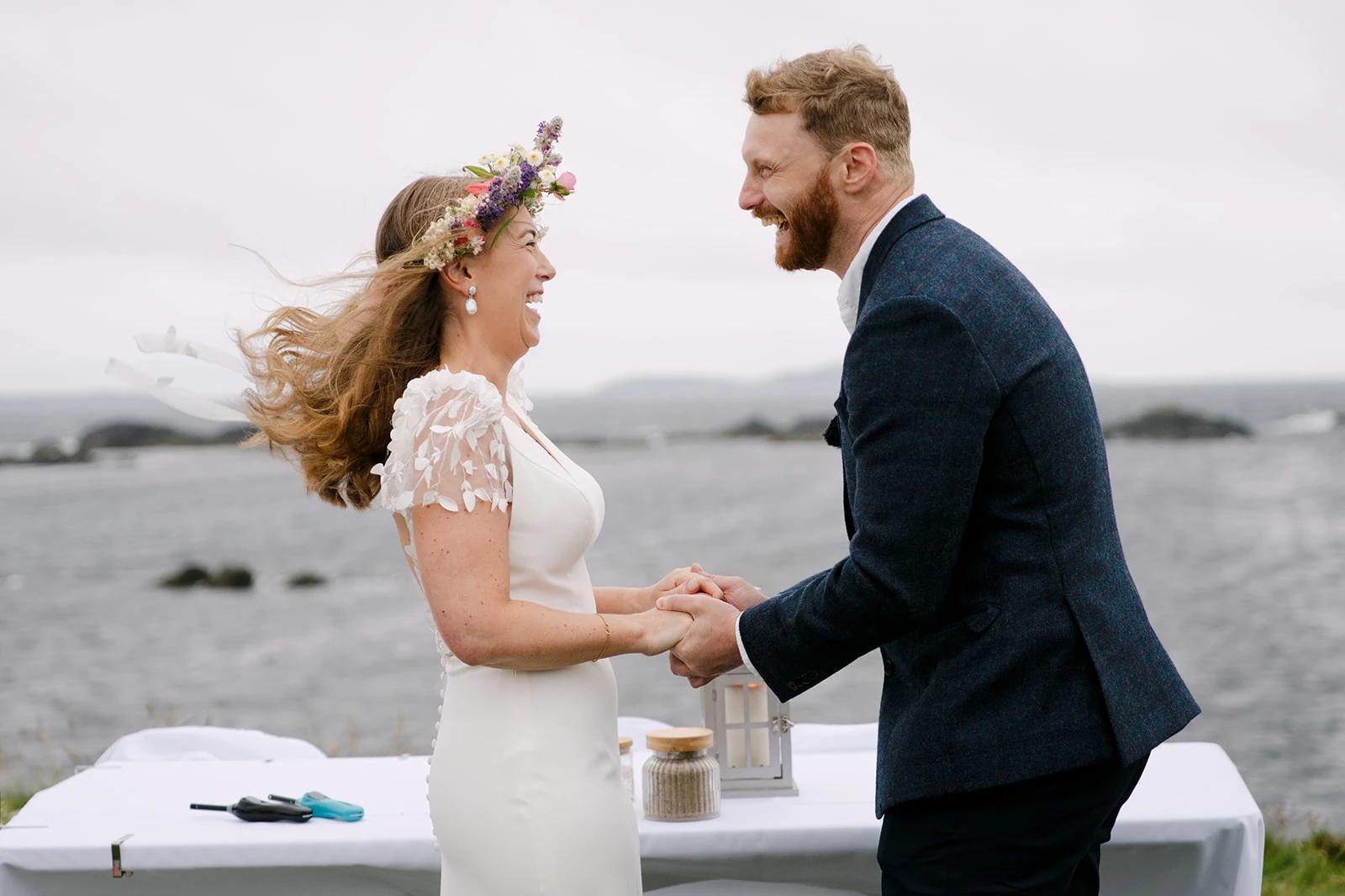
One plan, run once
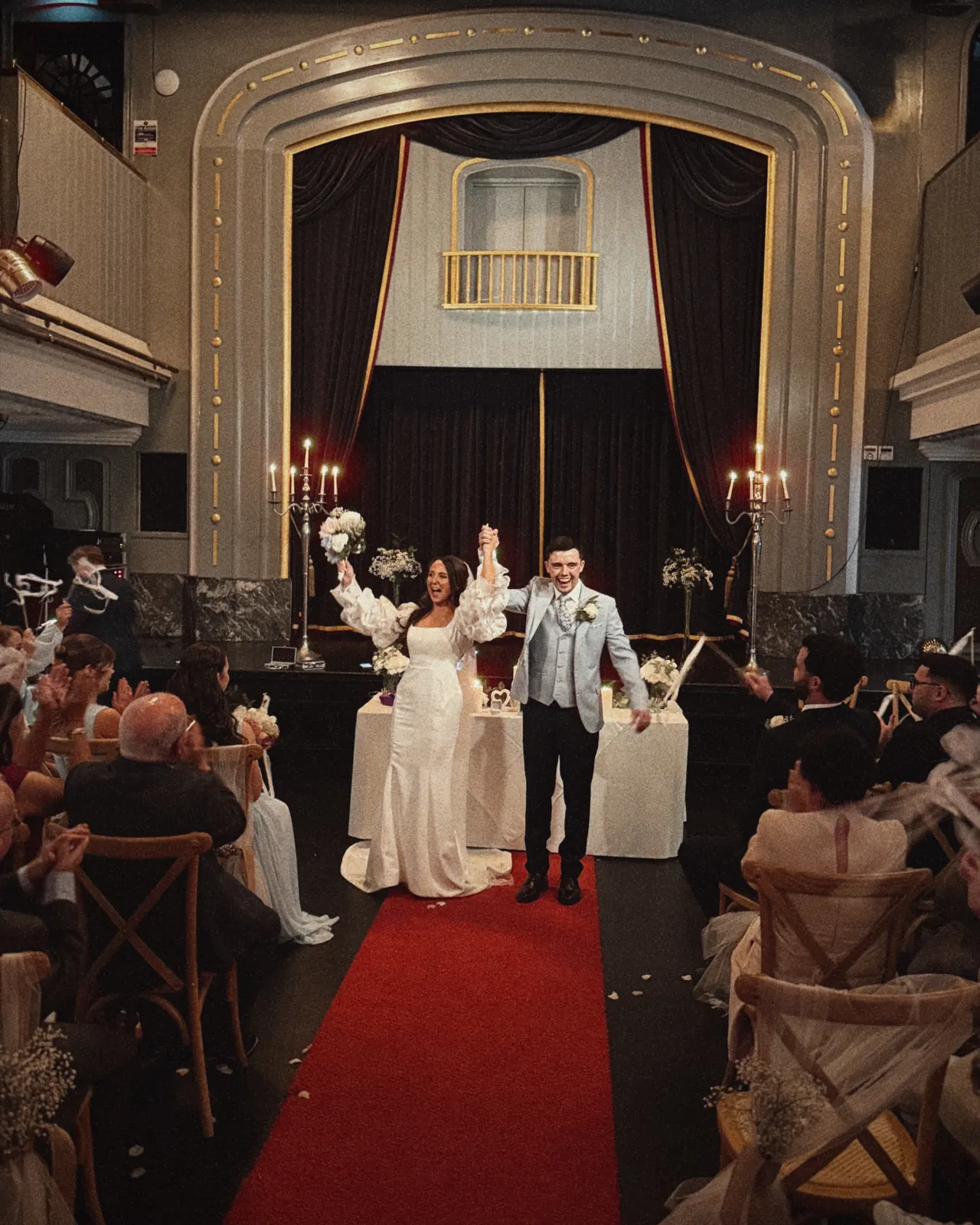
The practical difference is a timeline written by one person who knows where all three jobs have to happen. Portraits get thirty minutes, not thirty minutes repeated three times. The ceremony positions are agreed before anyone walks in: who is at the back, who is at the side, who is not moving during the vows.
It also means the couple are asked to do something once. Not the walk again for the film, and again for the photographs, and again for a reel. One walk, covered properly, from three angles that were decided in advance.
Who is where
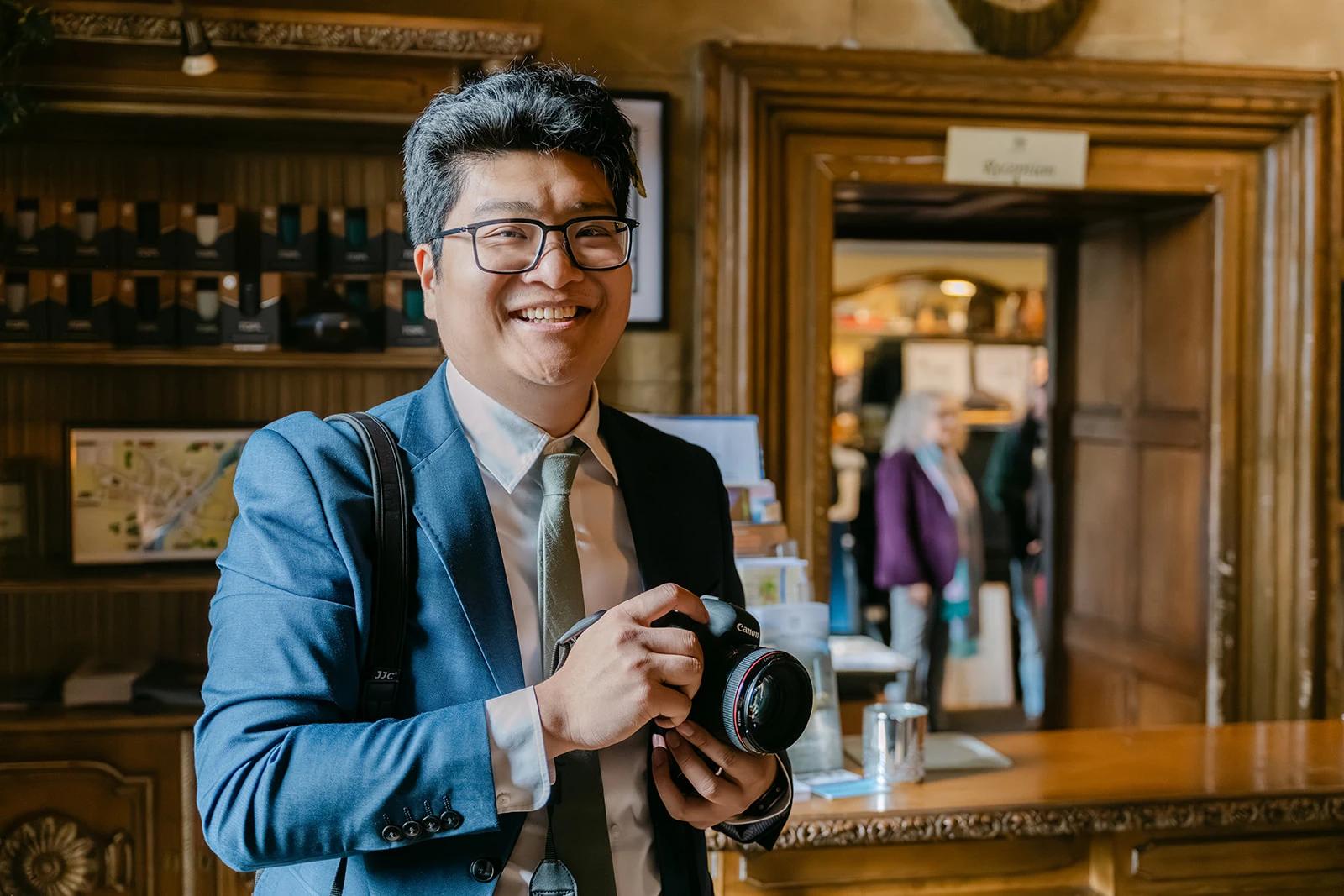
Arthur films and edits, Iman photographs, and both of us pick up the vertical content when there is something worth catching. In a church that usually means one at the back and one at the side, with the second camera moving only when it has to.
That is two people. It is worth saying plainly rather than implying a larger crew.
The kit is chosen for that arithmetic. Sony FX3s for the films, an A6700 when something has to go on a gimbal in a narrow room, a DJI Pocket 4P for anything vertical, and DJI drones in pairs because a drone is the one device that can end a day by meeting a tree. All Sony glass, primes for the look and zooms for the two minutes when nobody can physically get closer.
Content is the job that has to stay out of the way
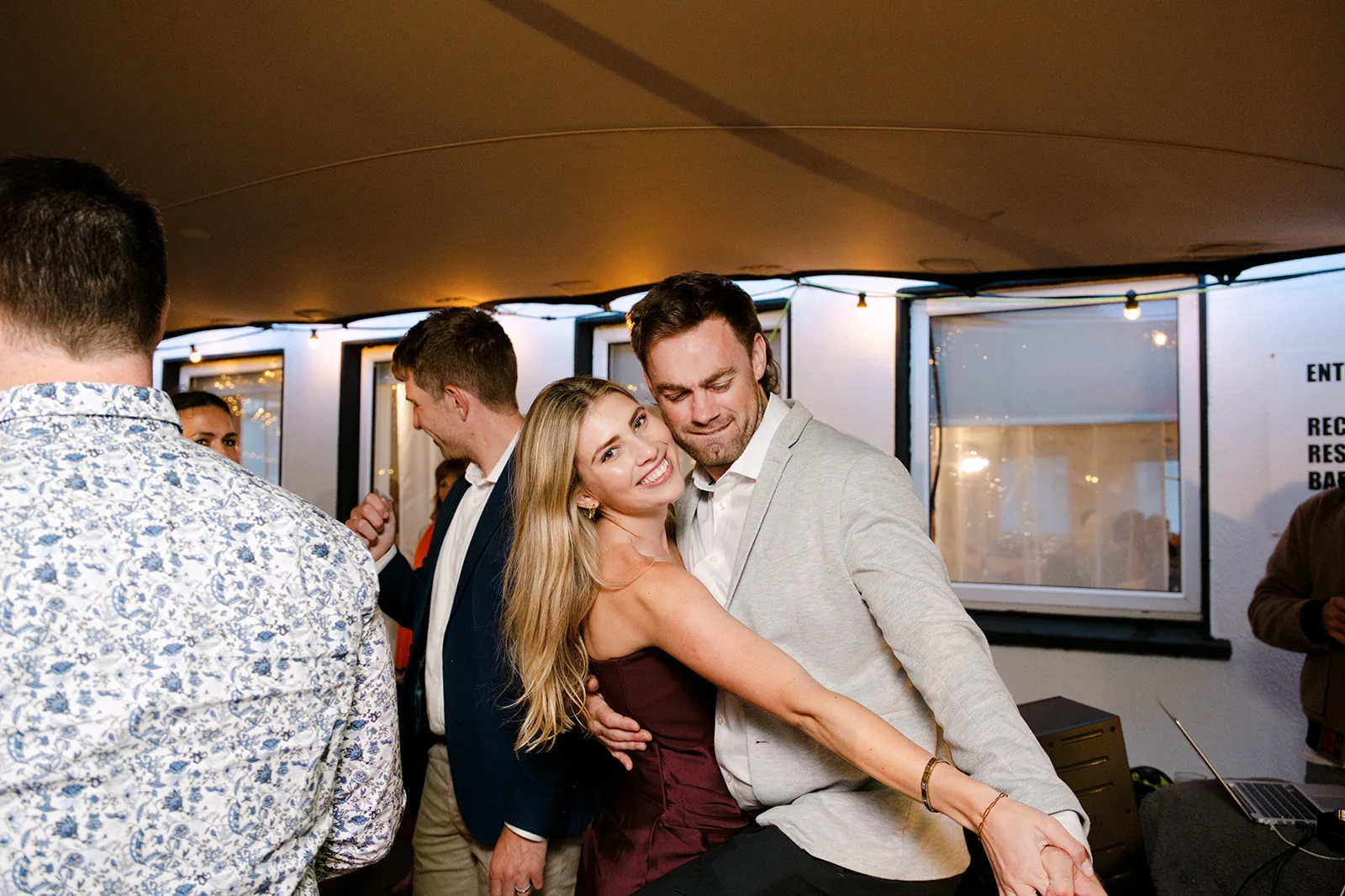
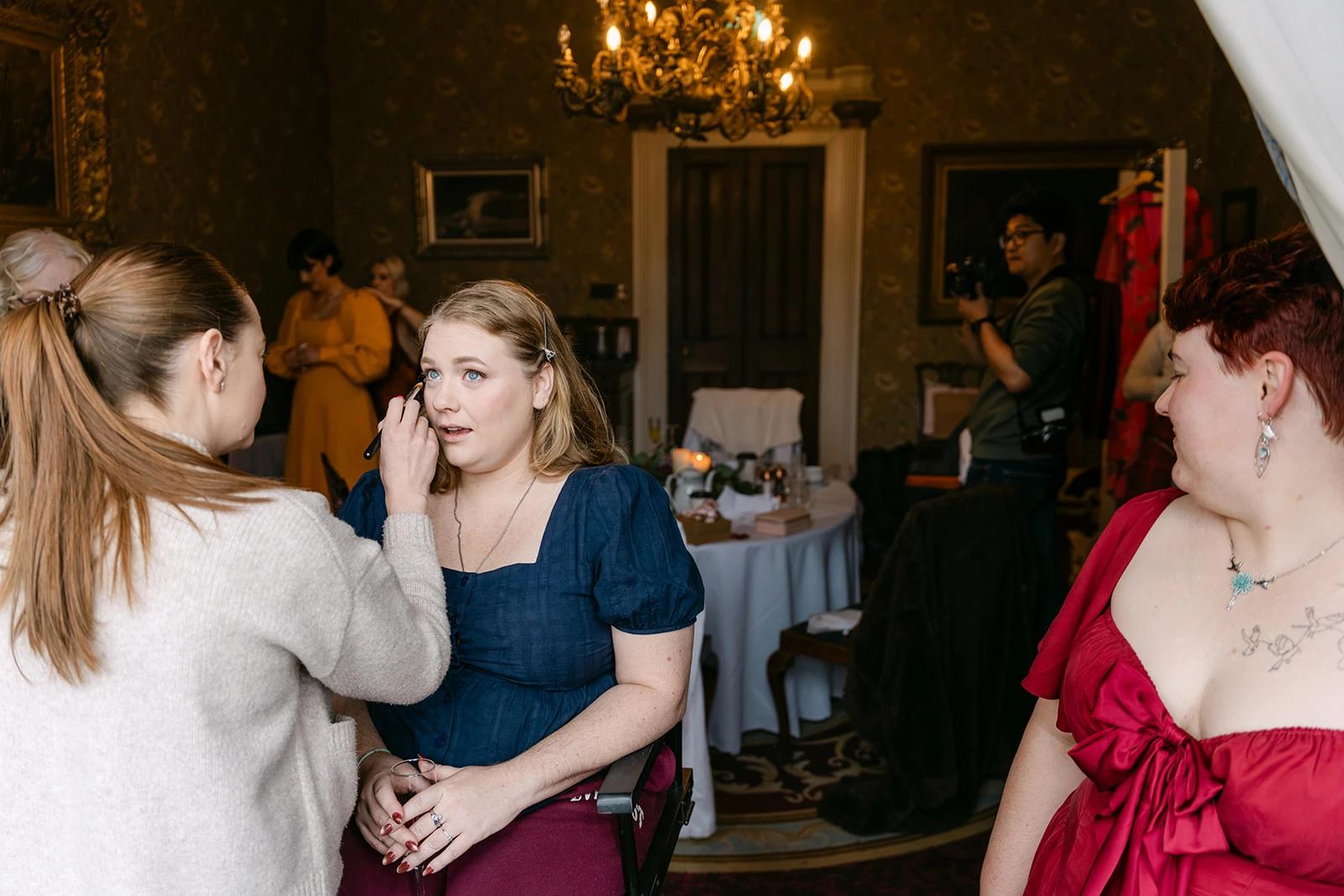
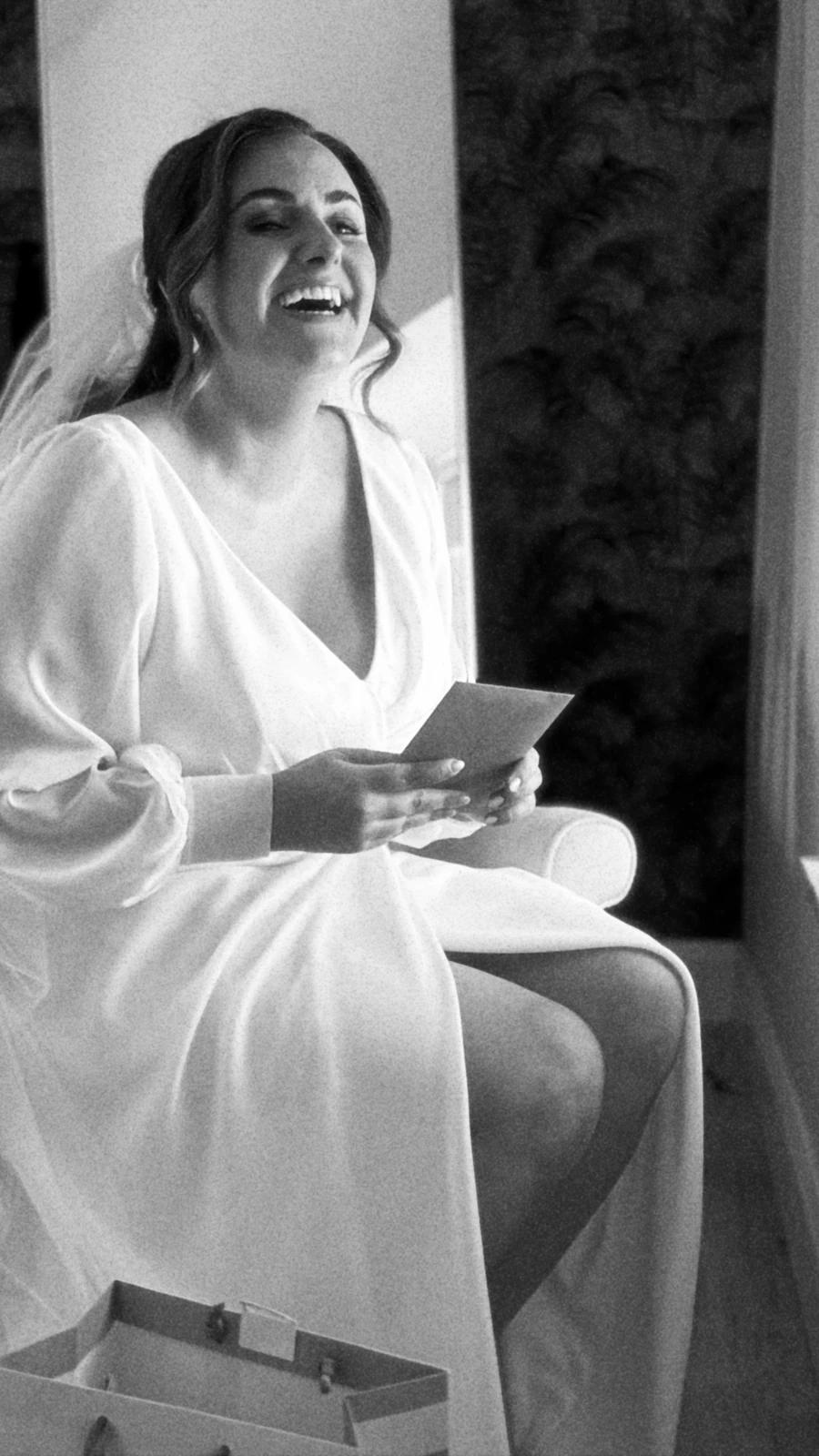
The vertical piece is the easiest to add and the easiest to make annoying. It should be the look between two people, the walk to the portraits, the ten seconds while the dress is being fastened, the dance floor at eleven. It is filmed vertically on pocket cinema cameras, not phones, and it is not a second photoshoot.
Our rule is one deliberate moment an hour. Two starts to feel like a production, and a production is the thing couples remember instead of the day.
Vertical, immediate,
a little nosy.
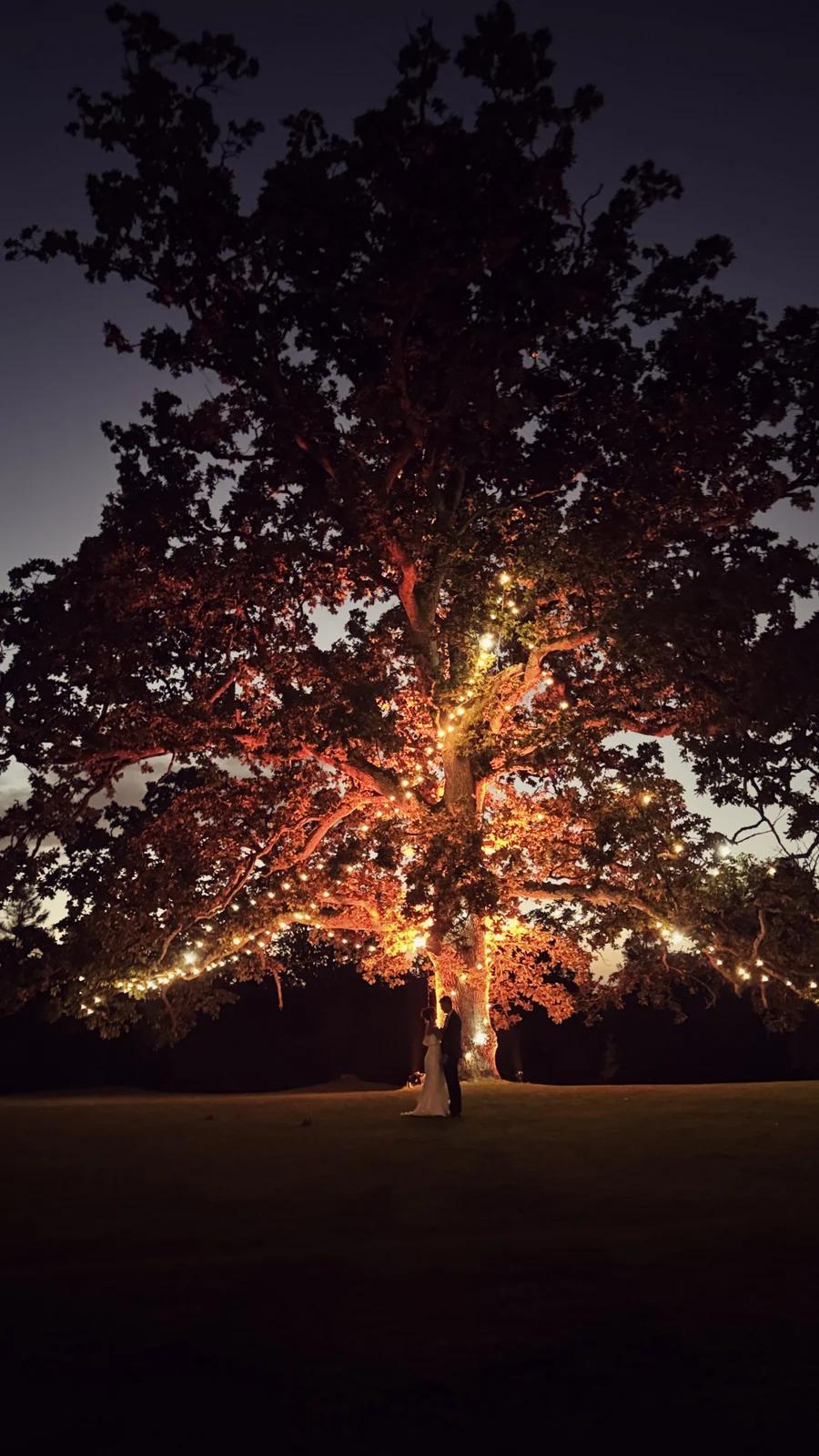
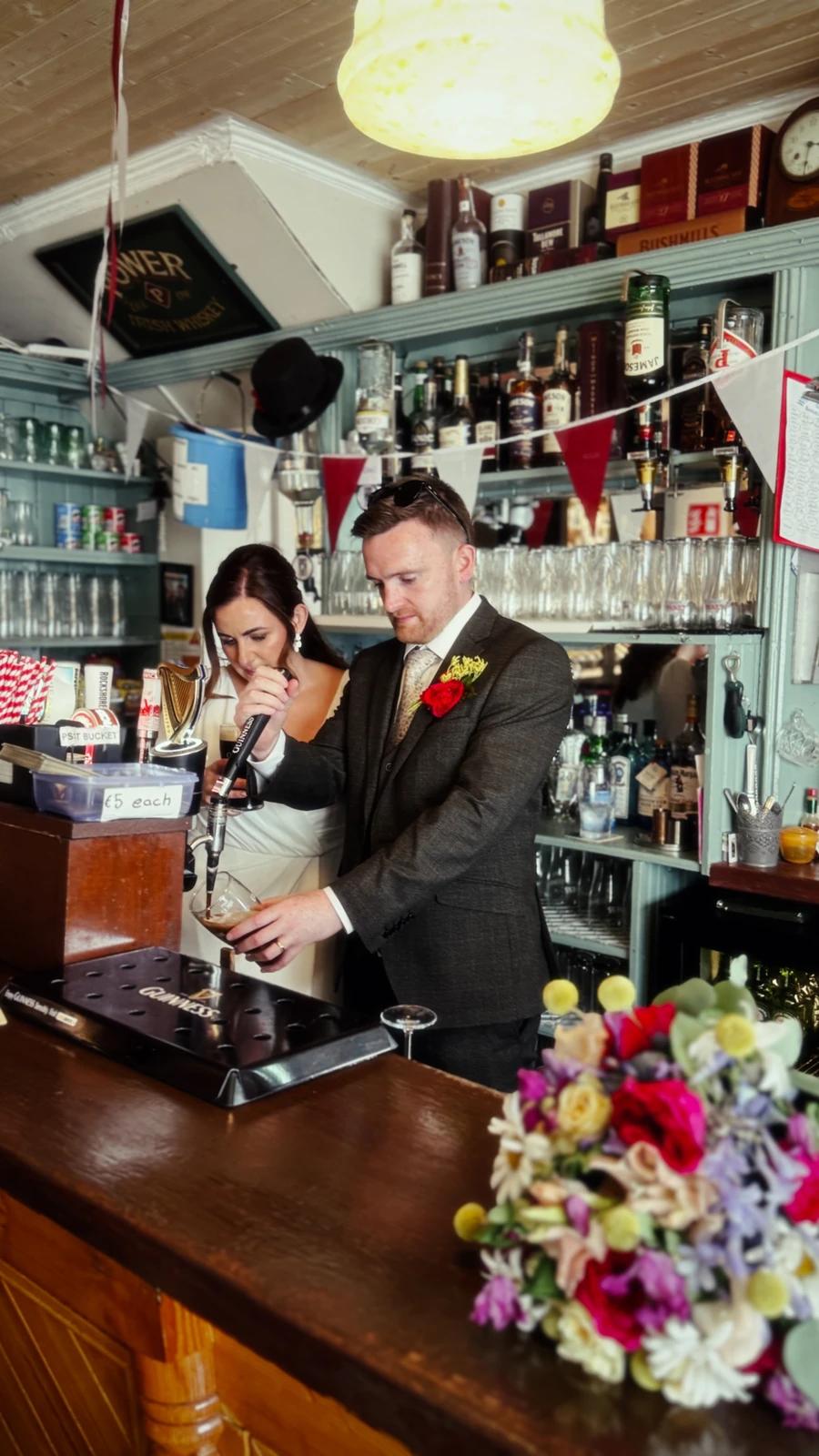
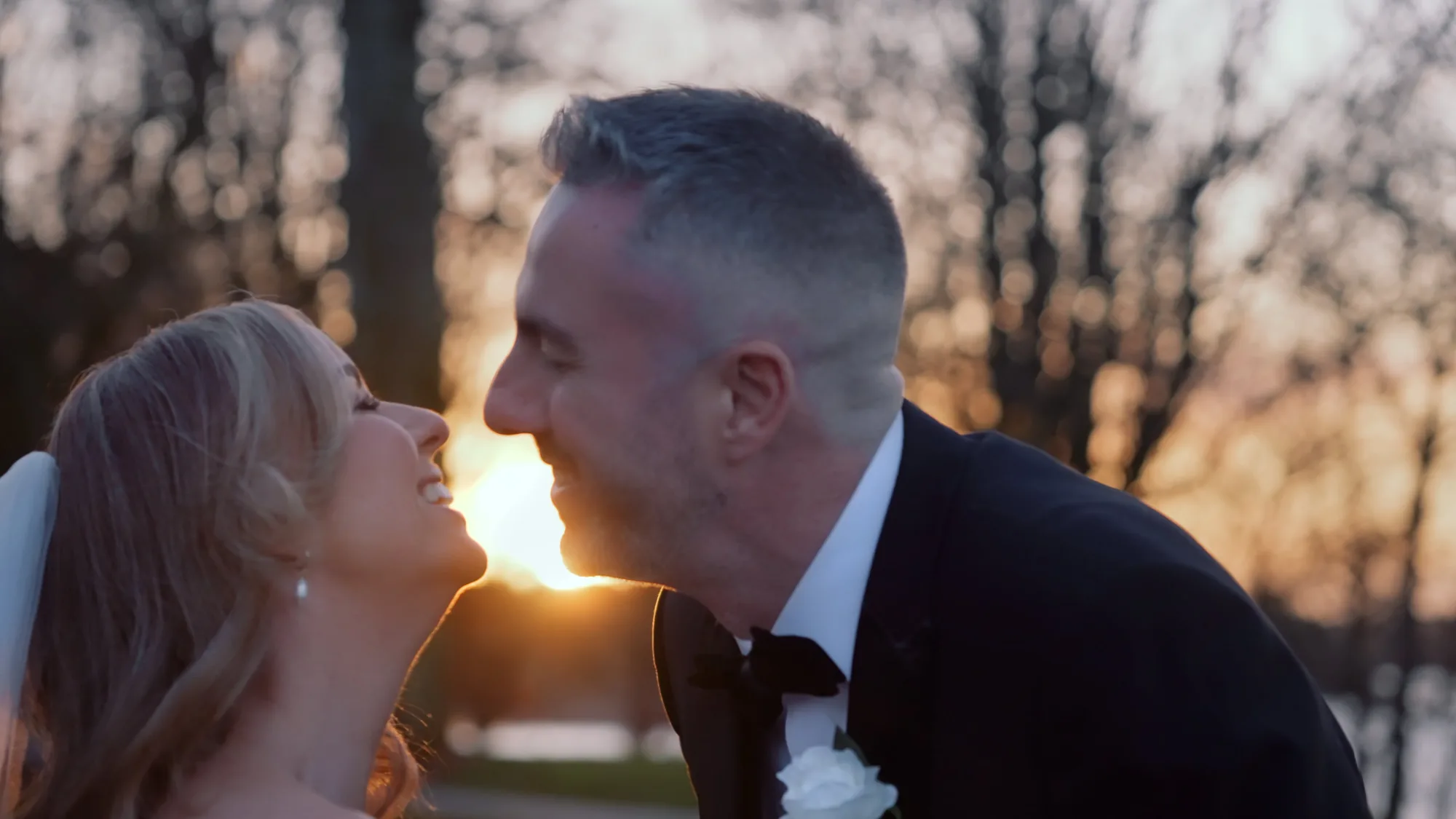
We film wedding content on pocket cinema cameras, from morning preparations until the dancing. Short, vertical pieces with the glances, voices and dance-floor evidence that tend to travel first.
See wedding content creationThe trade-offs, honestly
A two-person team cannot be in four places. If the first dance needs a wide, a tight, a roving angle and a second shooter on the balcony, that is a different booking with a bigger crew, and there are studios who do it well.
What you get instead is fewer people in the room, one person to ask a question, and a plan that does not need translating between suppliers. On a wet day it also means one decision instead of three, which is worth more than it sounds.
The photographs, the film and the clips are made by the same two people who met you at the start. That is the whole argument.