Choosing Coverage5 min read
Content alongside photography and film
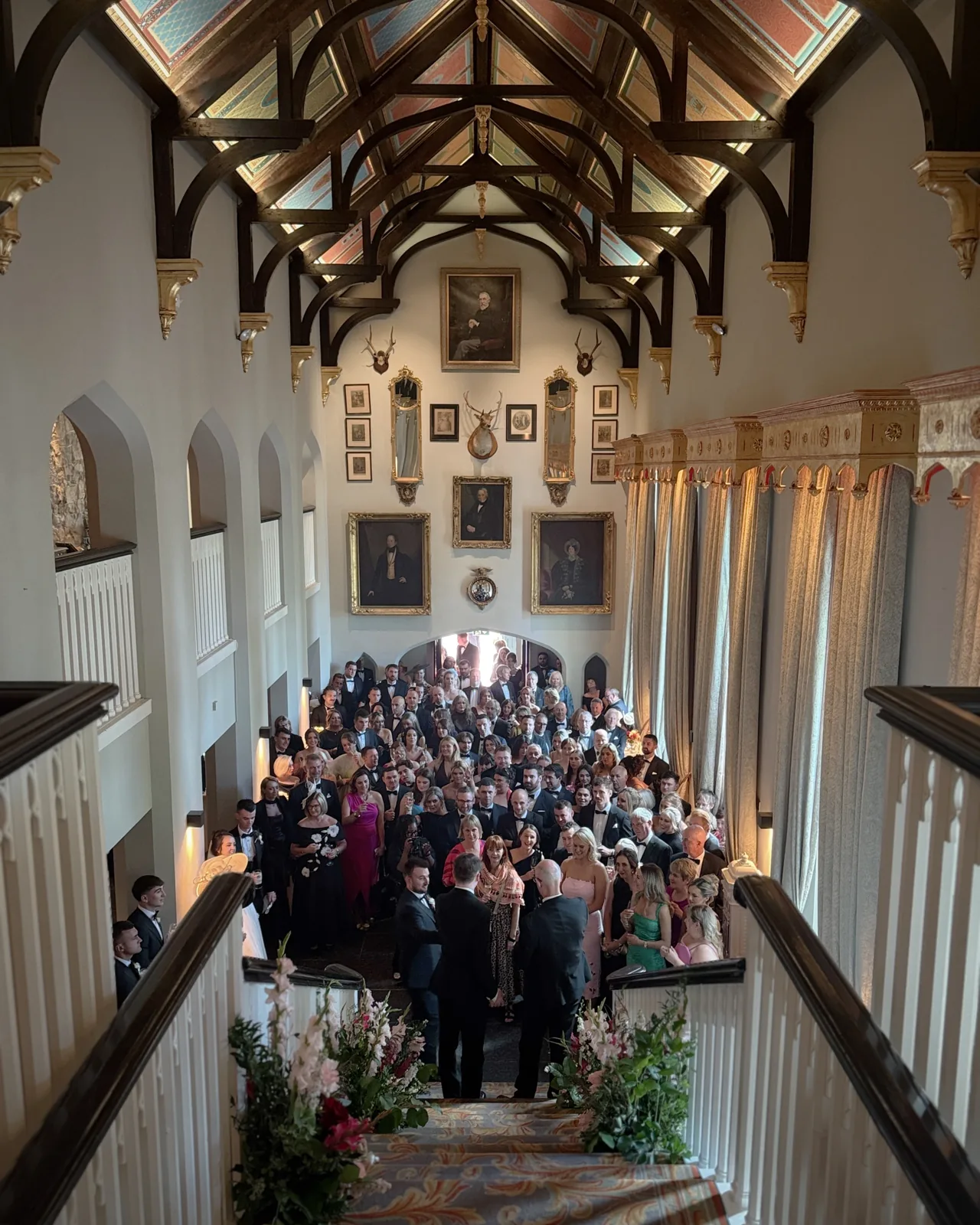
Three people with cameras at one wedding does not have to be a crowd. It becomes one when nobody has agreed where they stand.
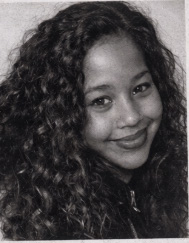
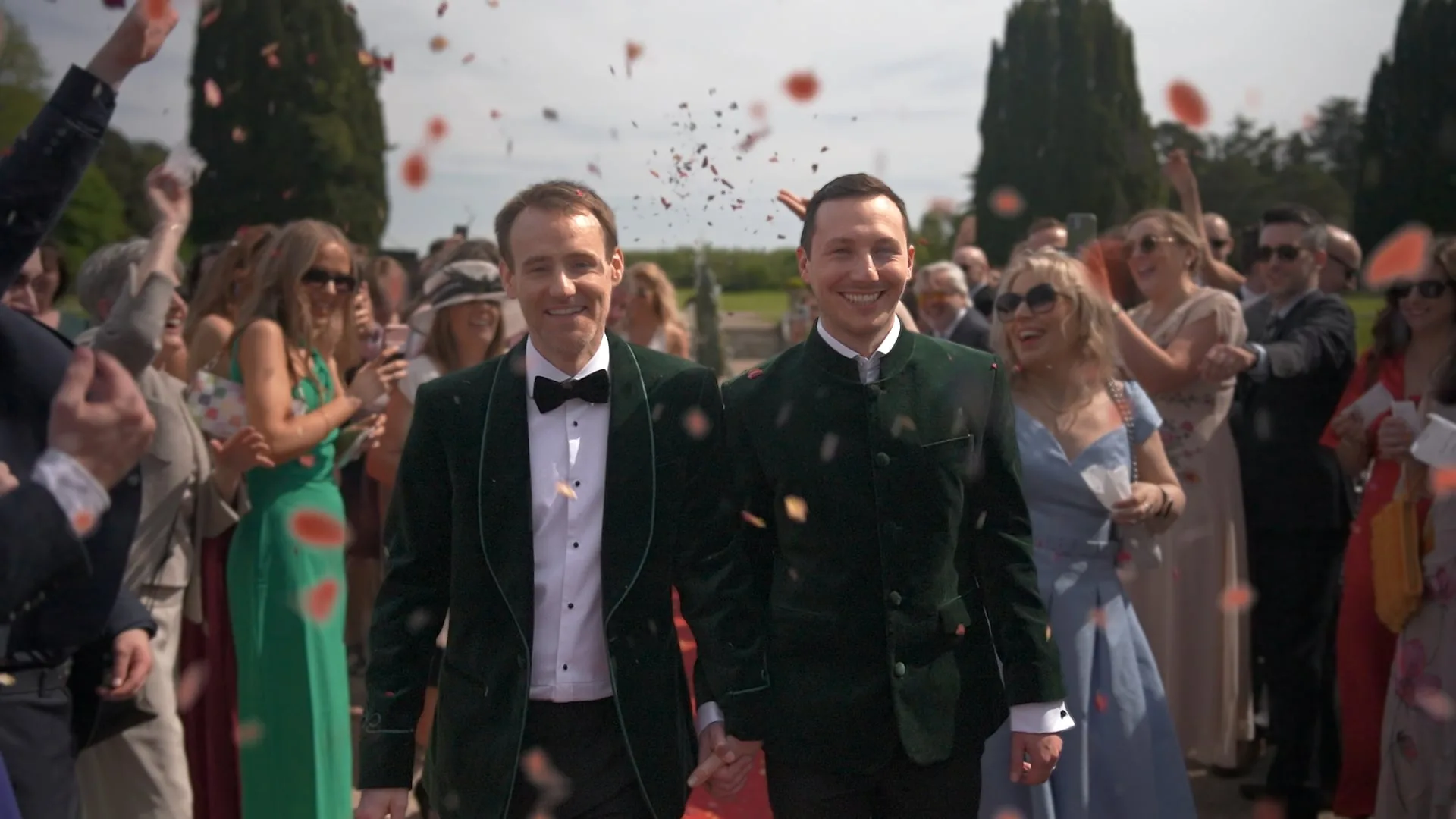
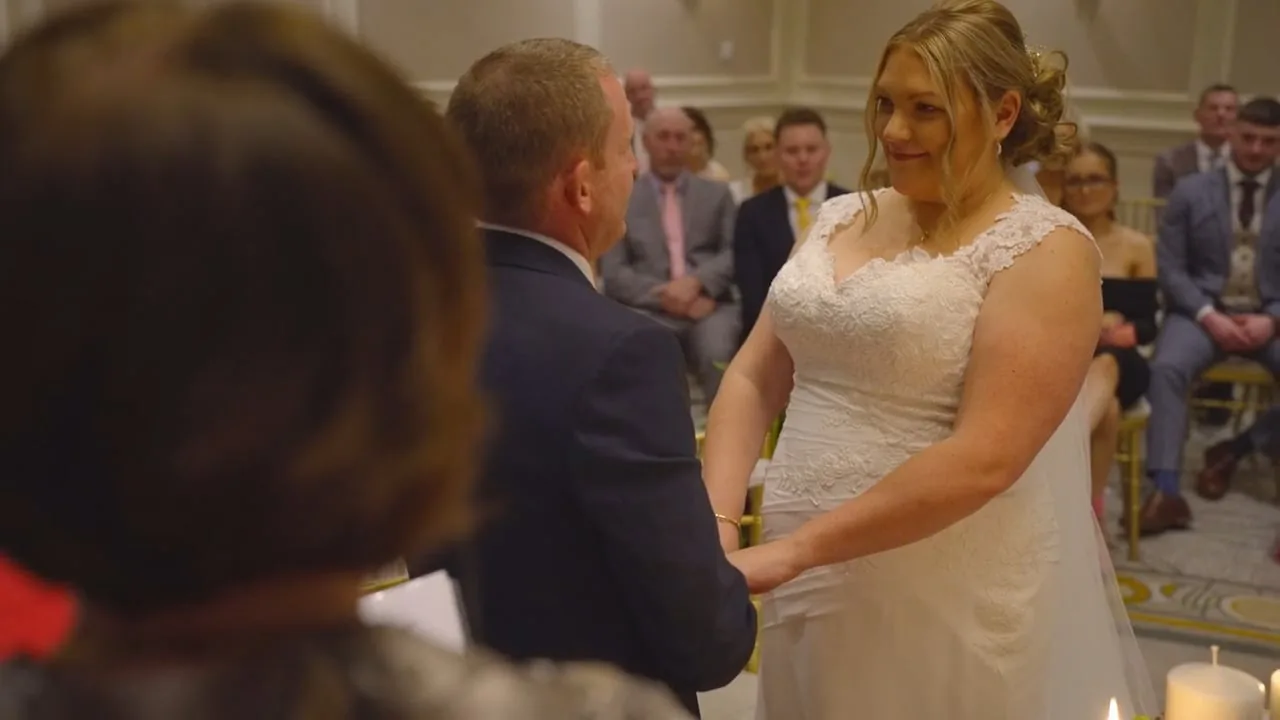
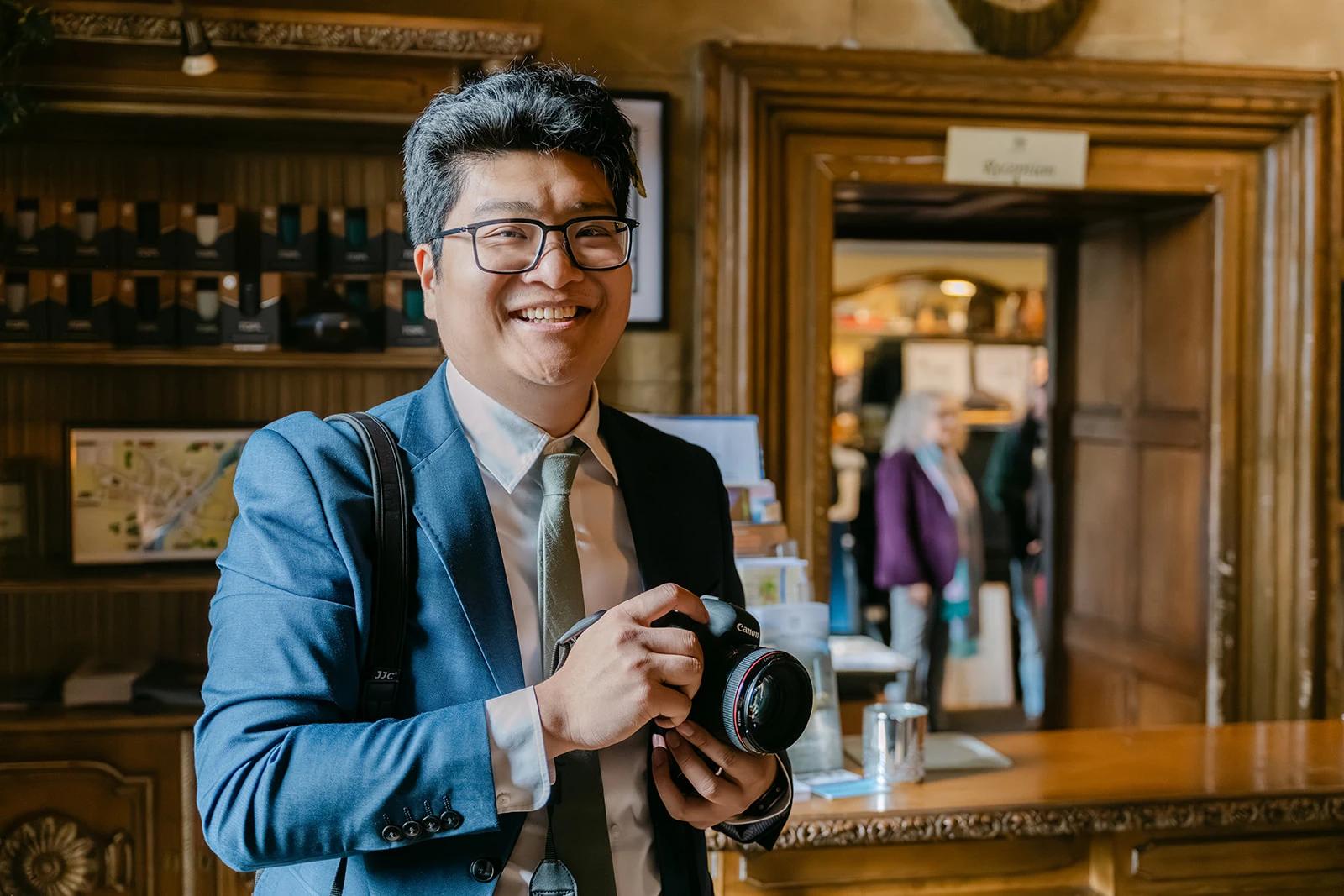
Three kinds of coverage, one room, no one in the aisle.See the work
At 2.55 the bride is about to walk in. The photographer is at the back for the wide, the videographer is on the side aisle, and the content camera wants the doorway from behind. Two of those three have been told where to stand, and it is usually the two who cost more.
Positions, written down
Most of the friction is mechanical. Who gets the centre aisle for the procession. Who may not walk the aisle at all. Who stands behind the officiant. Who stays silent during the vows.
Some parishes publish this. One in Dublin forbids the sanctuary, flash, extra lighting, moving a tripod mid-ceremony and any posed repeat. Another simply asks that the priest be consulted on position and movement. There is no national rule in Ireland, so the answer comes from the parish or not at all.
Our arrangement is boring and it works: the photographs get the aisle, the film gets the side, and content stands where nobody else wants to be. Doorways, the back of the room, the corner with the good light that is not in anyone's frame.
Vertical, immediate,
a little nosy.
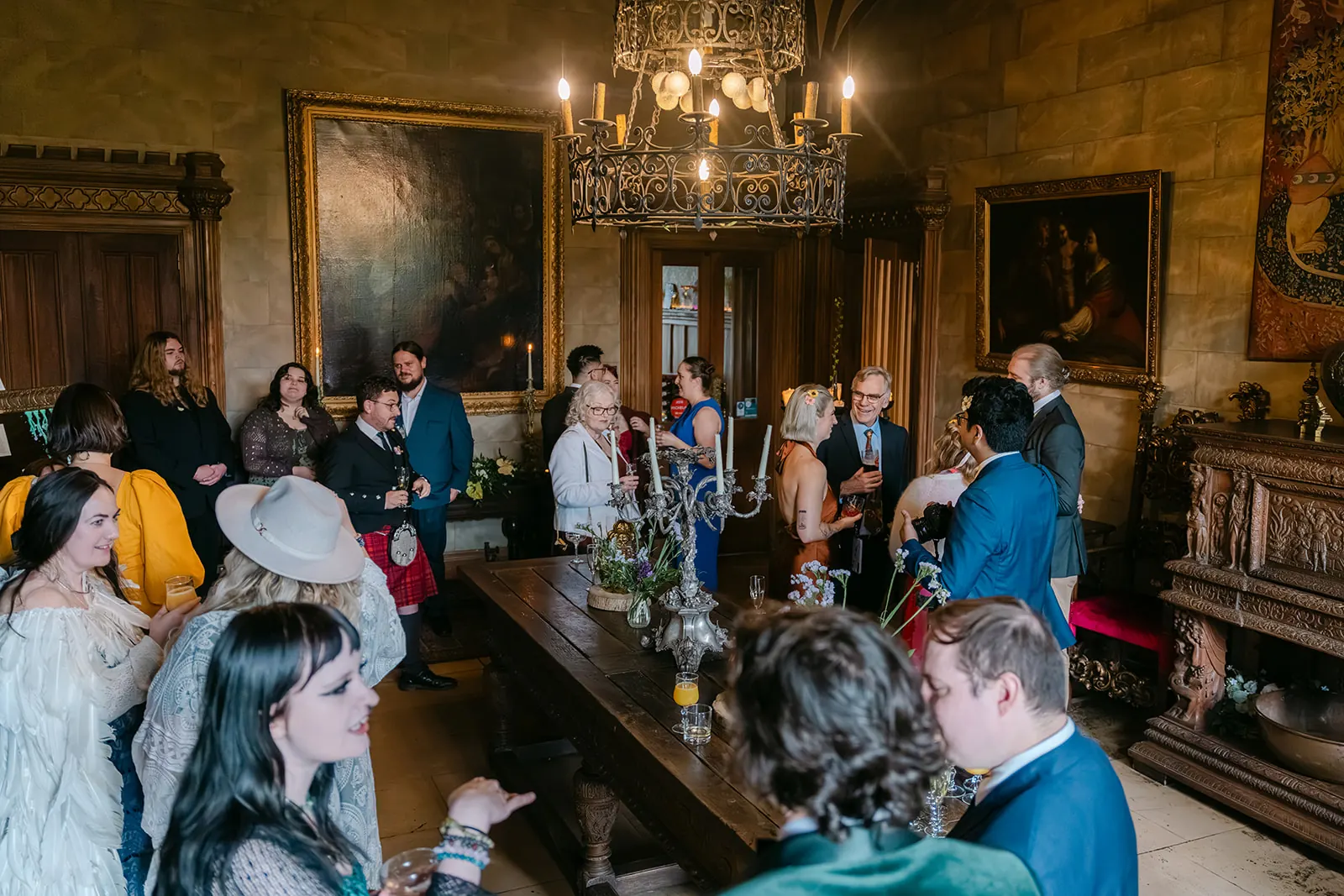
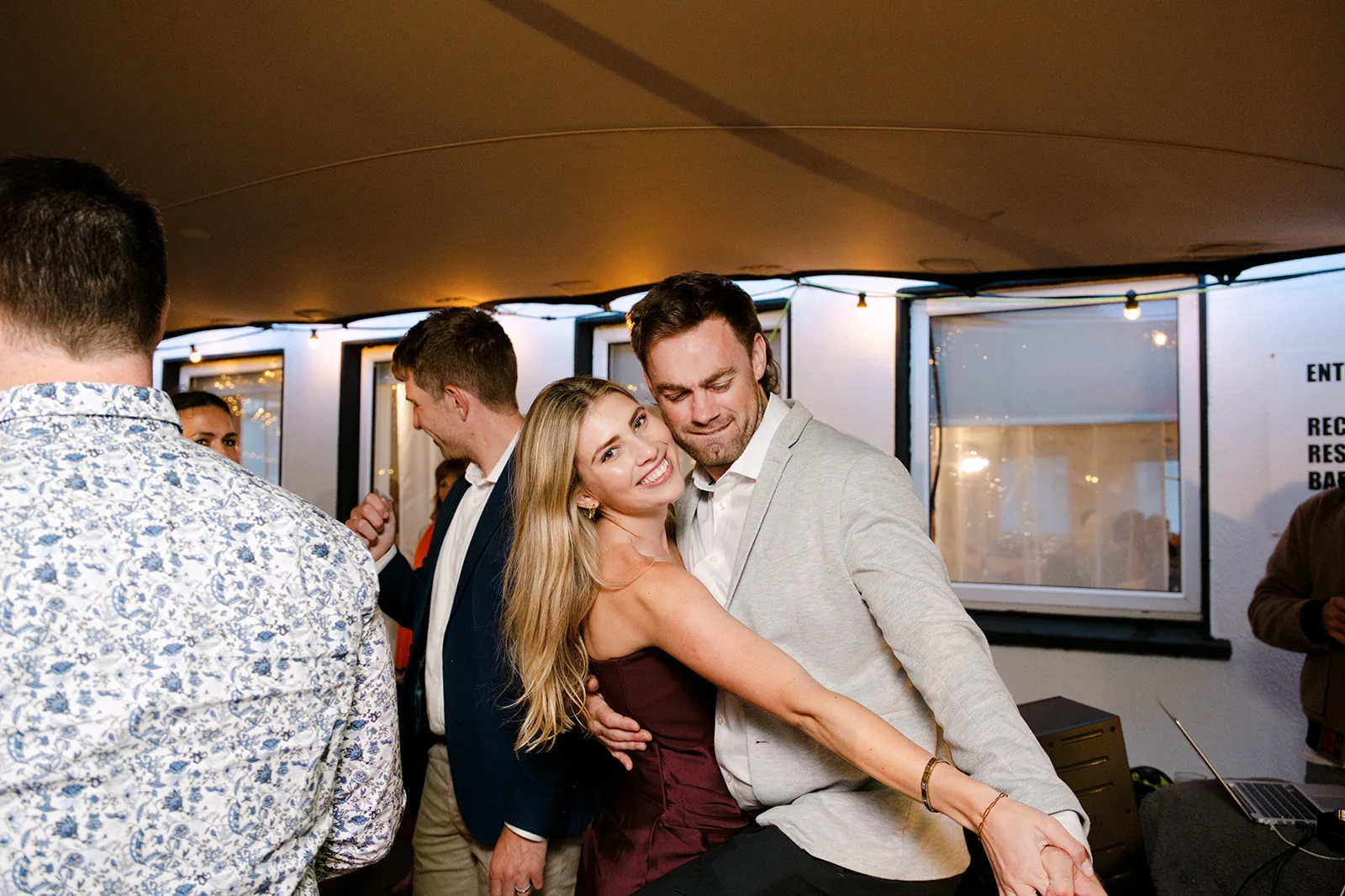
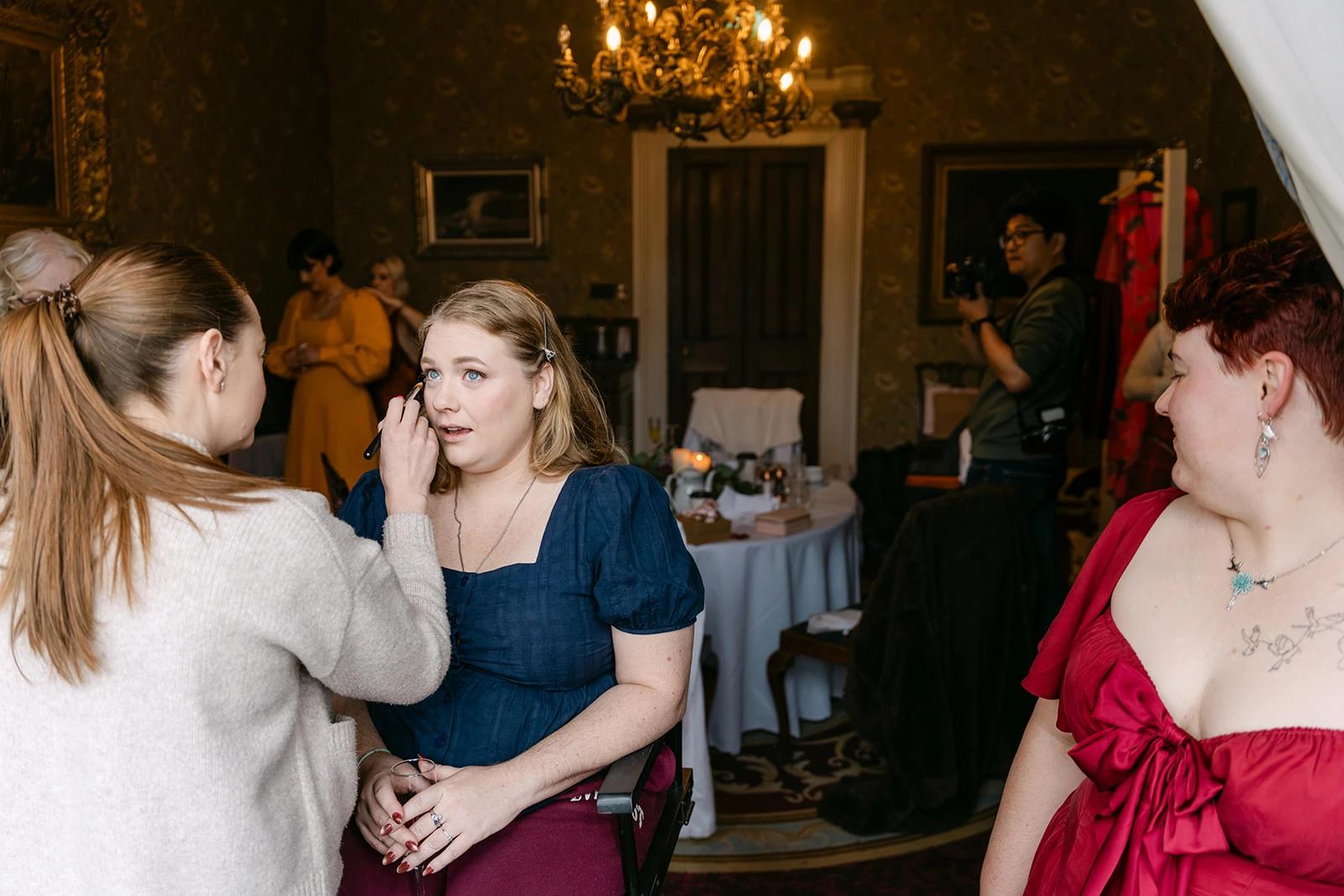
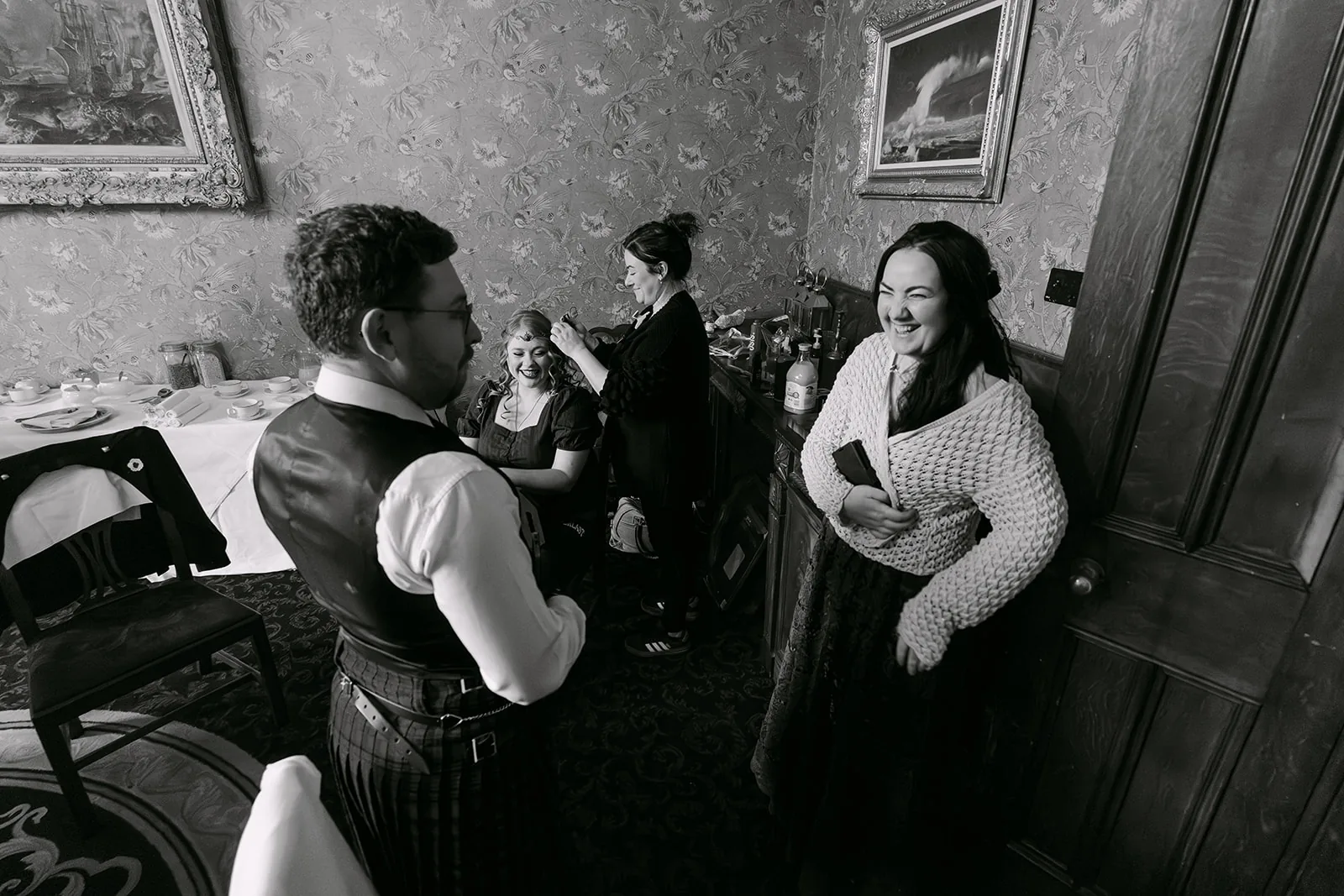
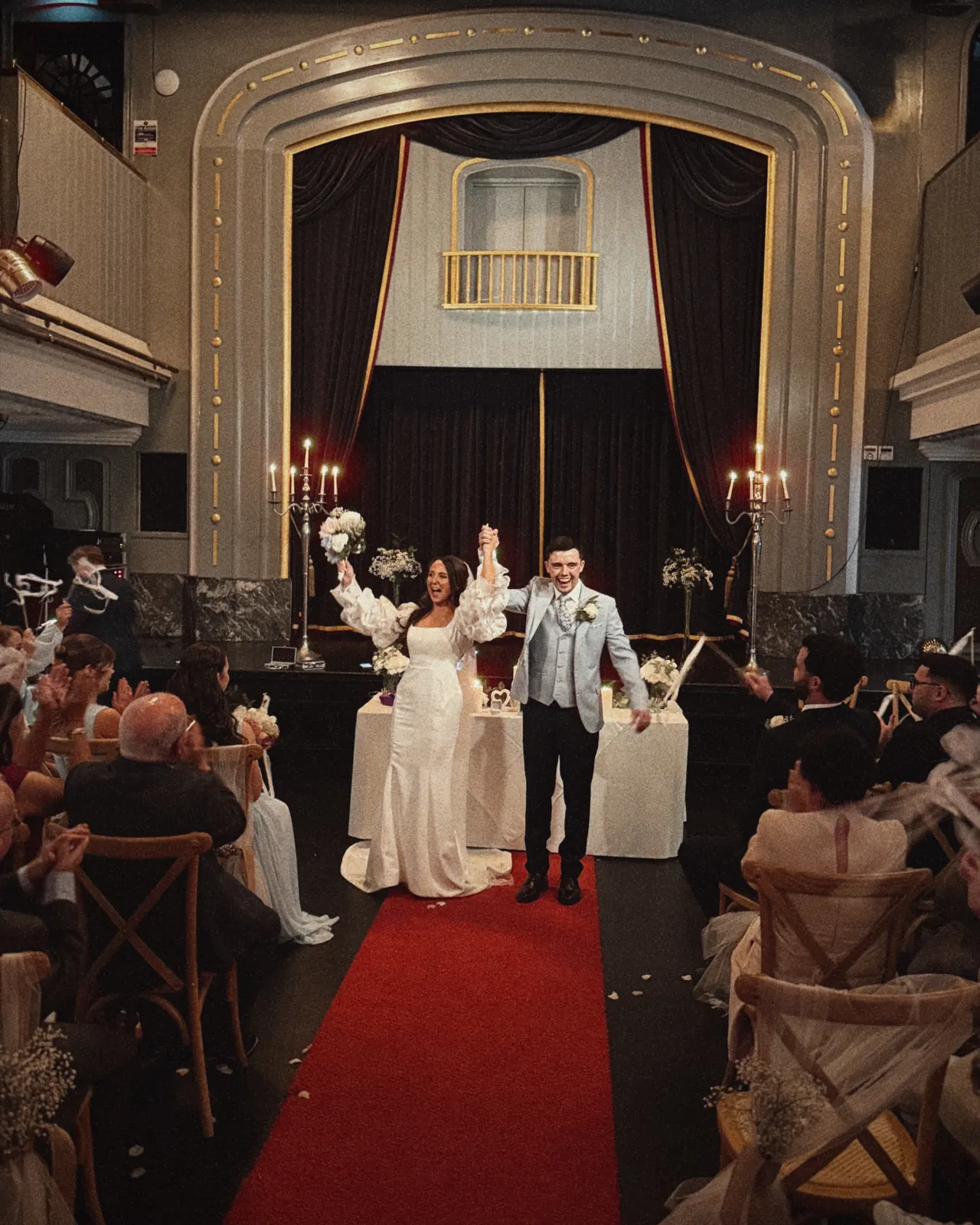
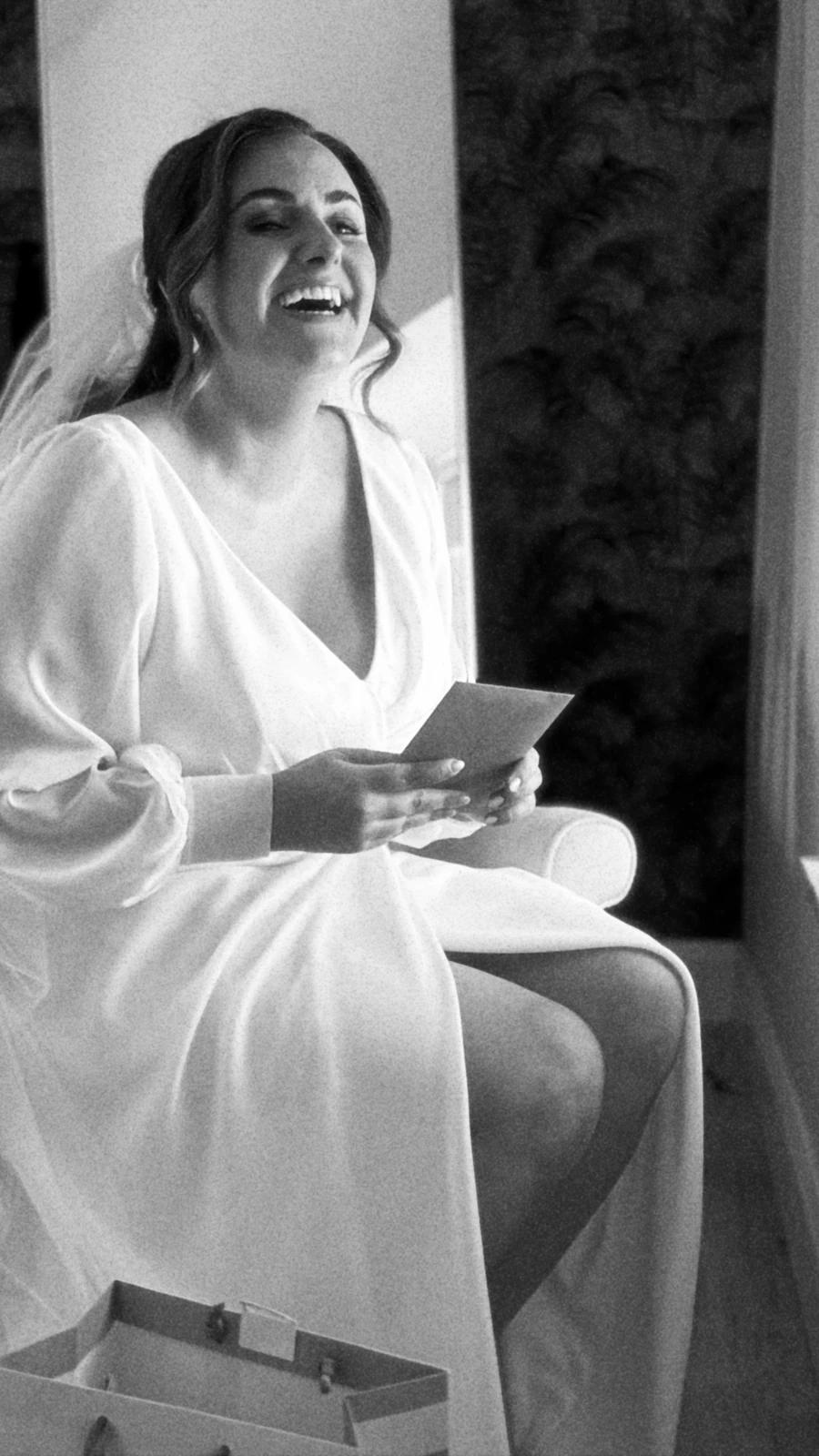
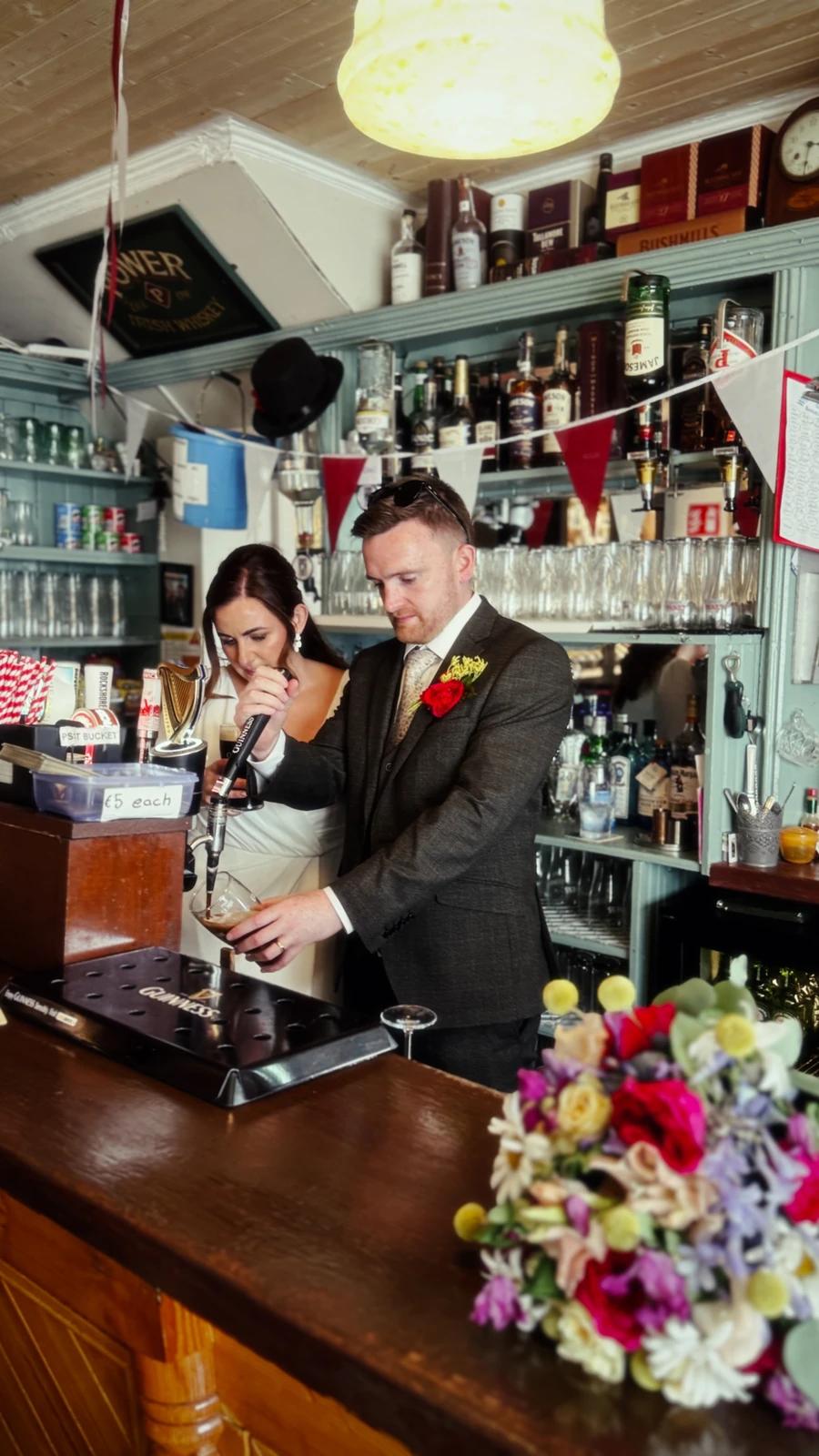
We film wedding content on pocket cinema cameras, from morning preparations until the dancing. Short, vertical pieces with the glances, voices and dance-floor evidence that tend to travel first.
See the full galleryThe thing that actually goes wrong
Not the cameras. The attention. Everyone who needs the couple's eyes at the same time will take them, and by four o'clock the two of you are apologising to a lens.
So one rule before the day: the photographer owns the couple during portraits, and everyone else works around it. The person making the photographs is the only one whose job stops completely if you are looking somewhere else.
One message to all three
The most useful thing a couple can do is send a single message with the running order, the venue, and who else is coming. Then ask each supplier for three lines back: what I need, where I stand, when I need it.
It takes ten minutes in March and it prevents the conversation nobody wants in a porch at half two.
Do you need three people
Not always. A registry office with forty guests is a two-person job, and we would tell you that rather than sell the third.
But a large room, bad light and three hundred guests is exactly the situation where a third camera stops being decoration. The content work is not a spare pair of hands. It is a different output, shot by somebody who is not already holding a stills camera.
A still gives
you longer.
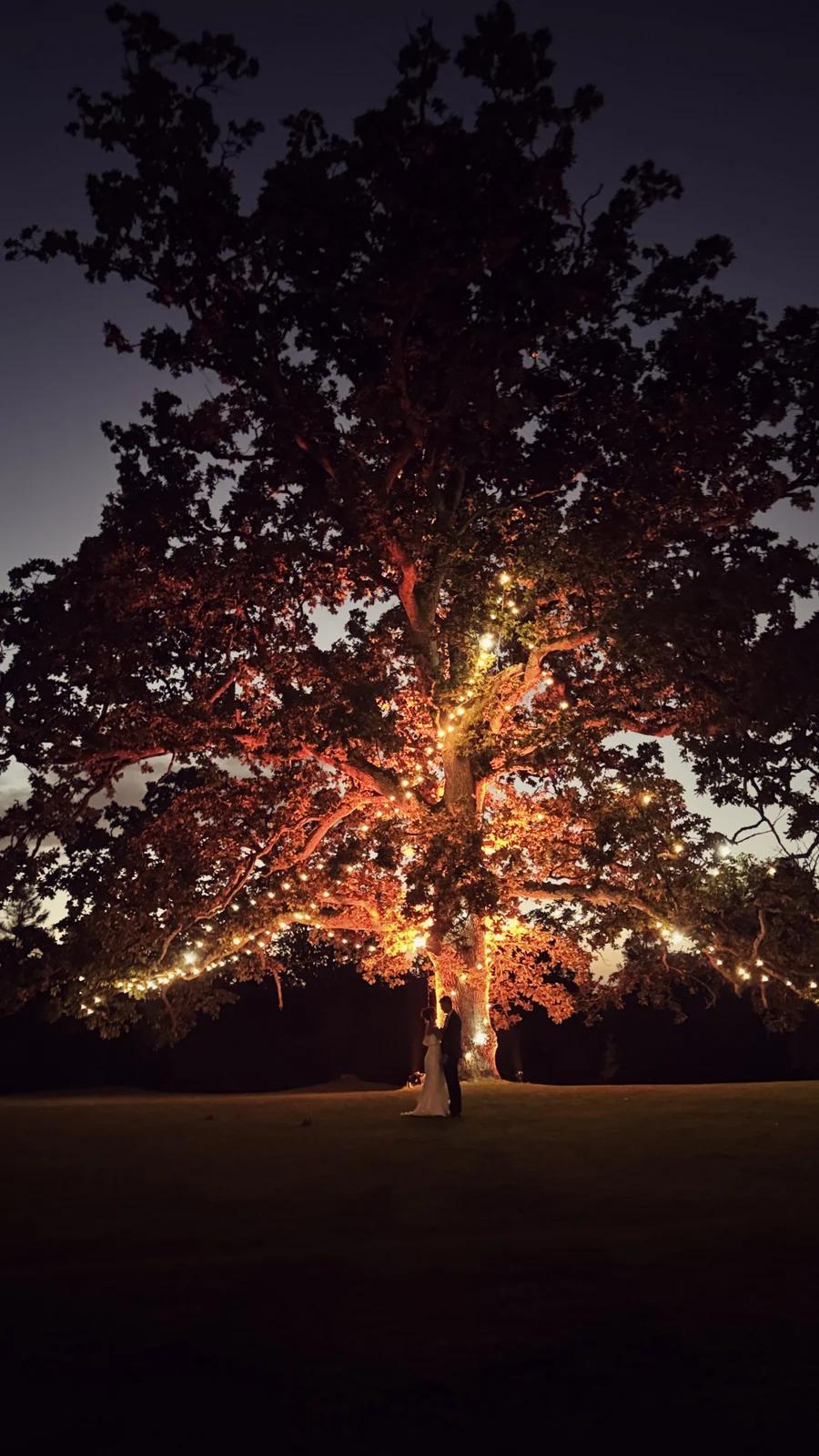
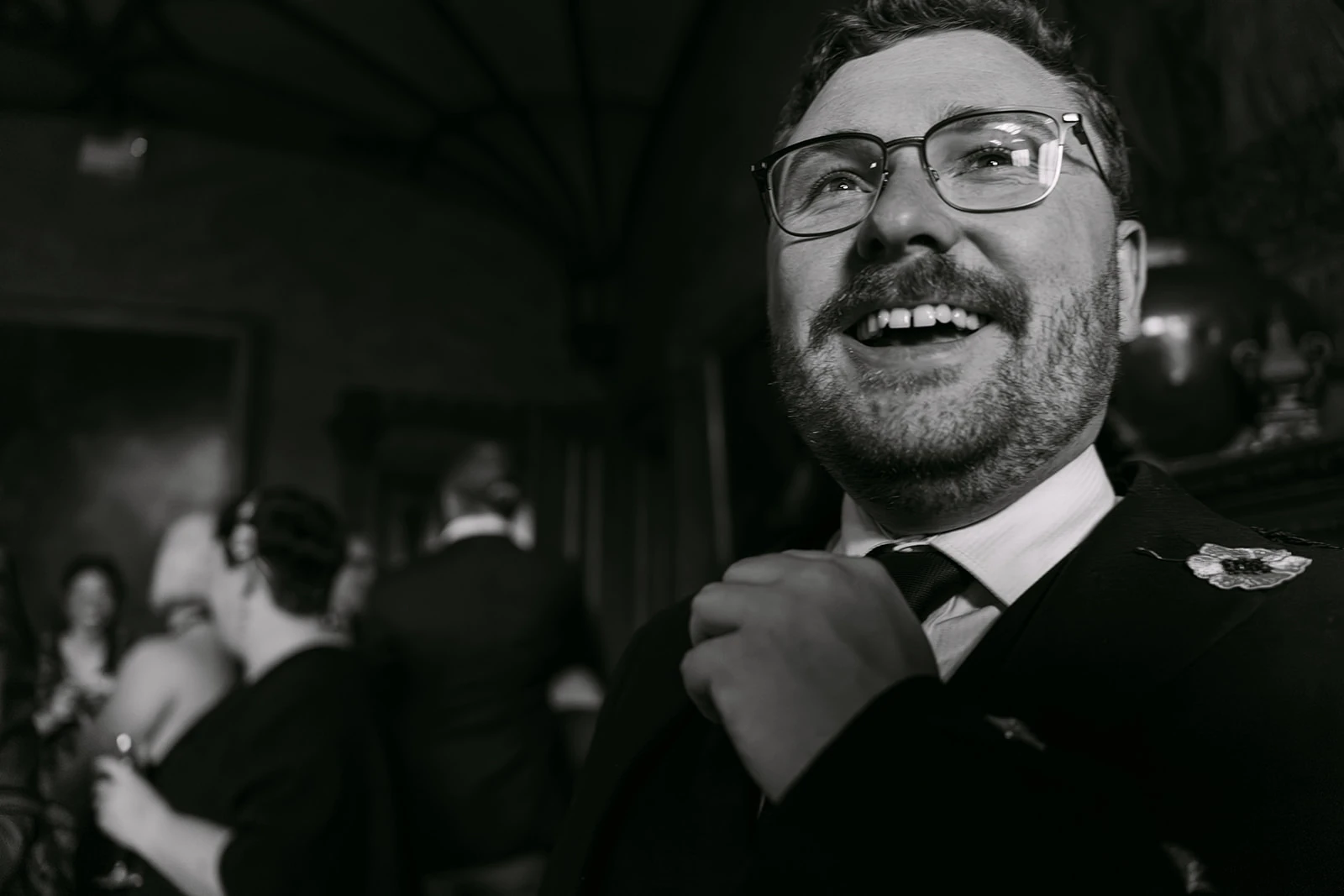
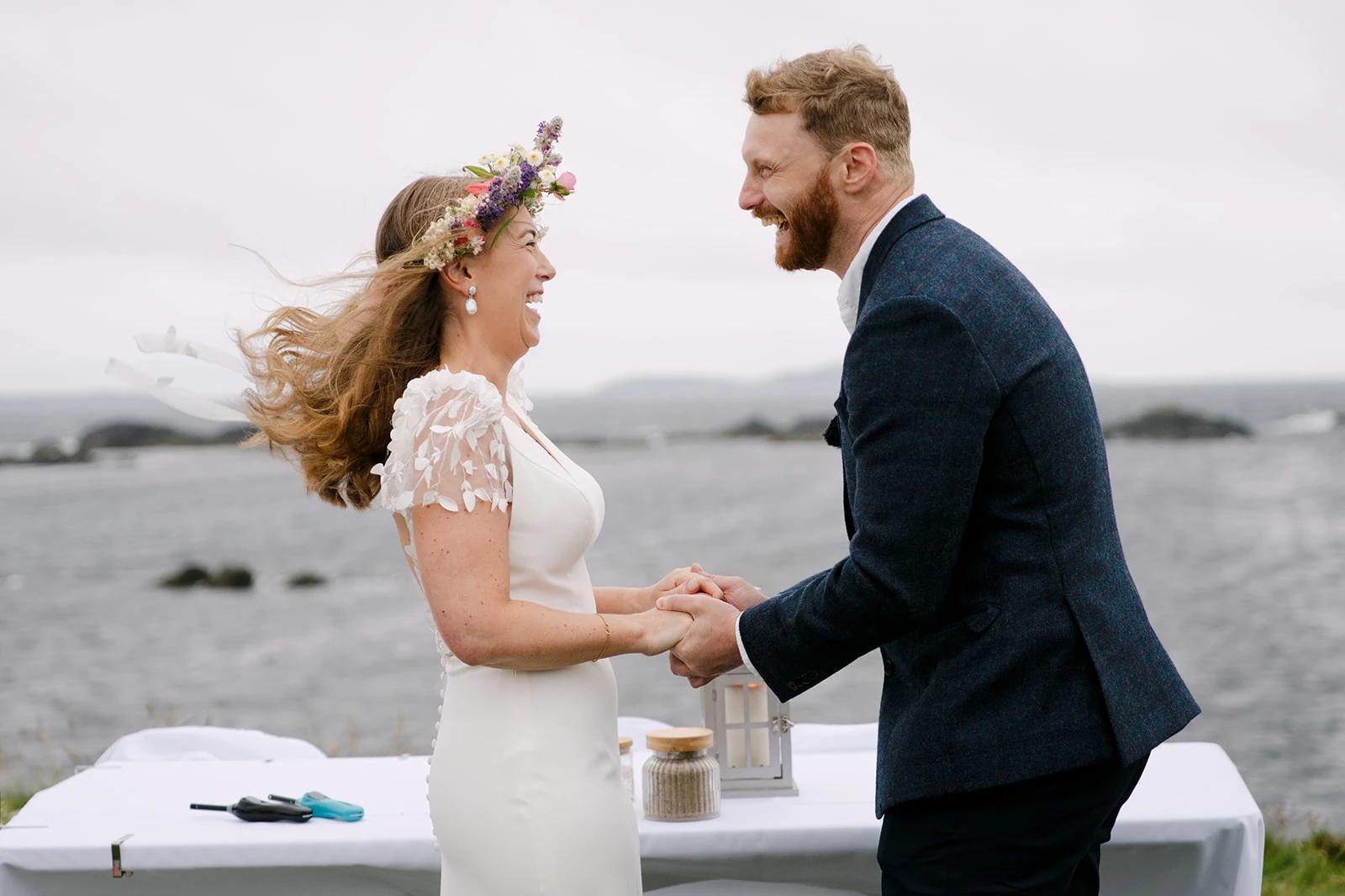
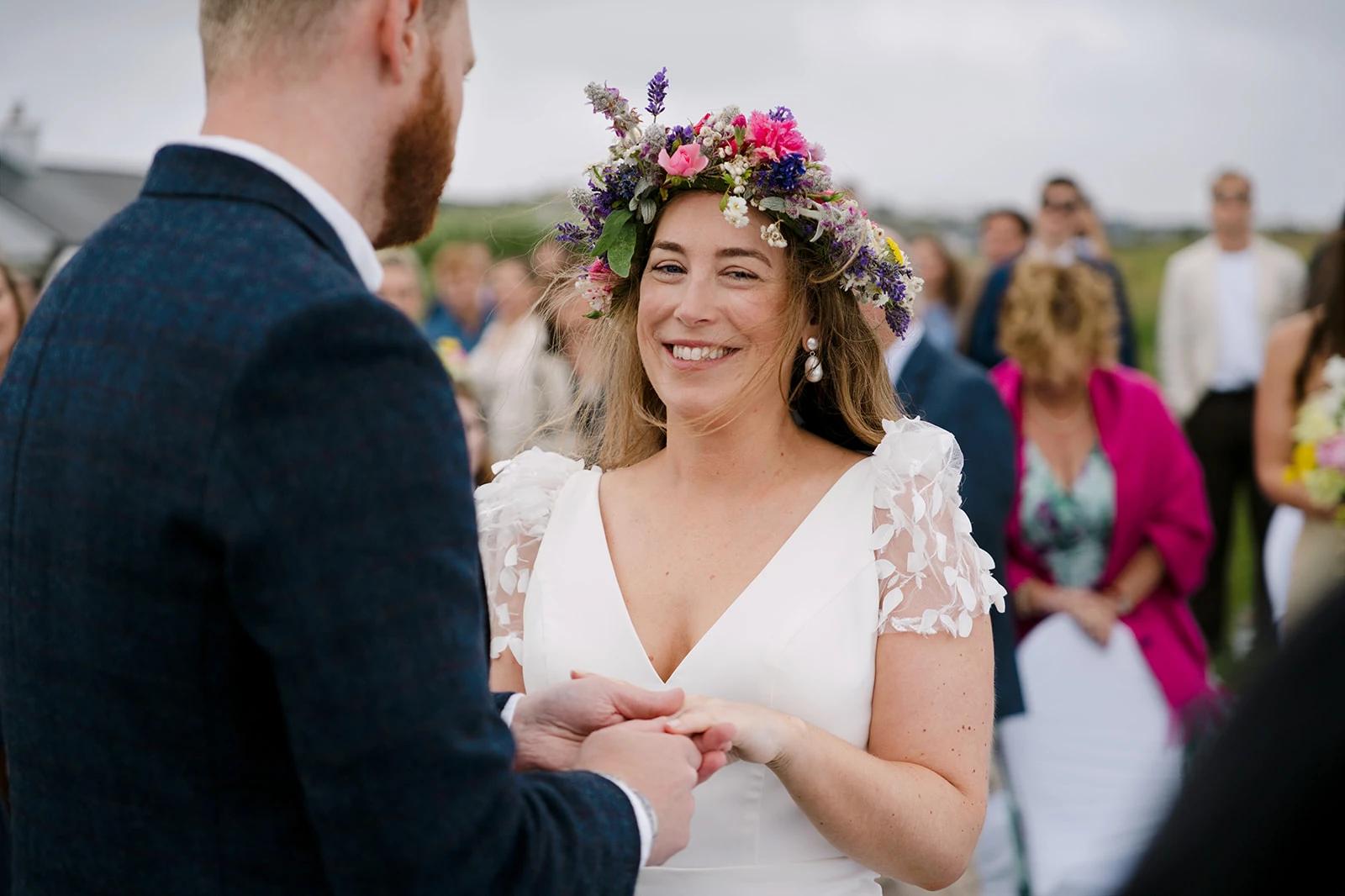
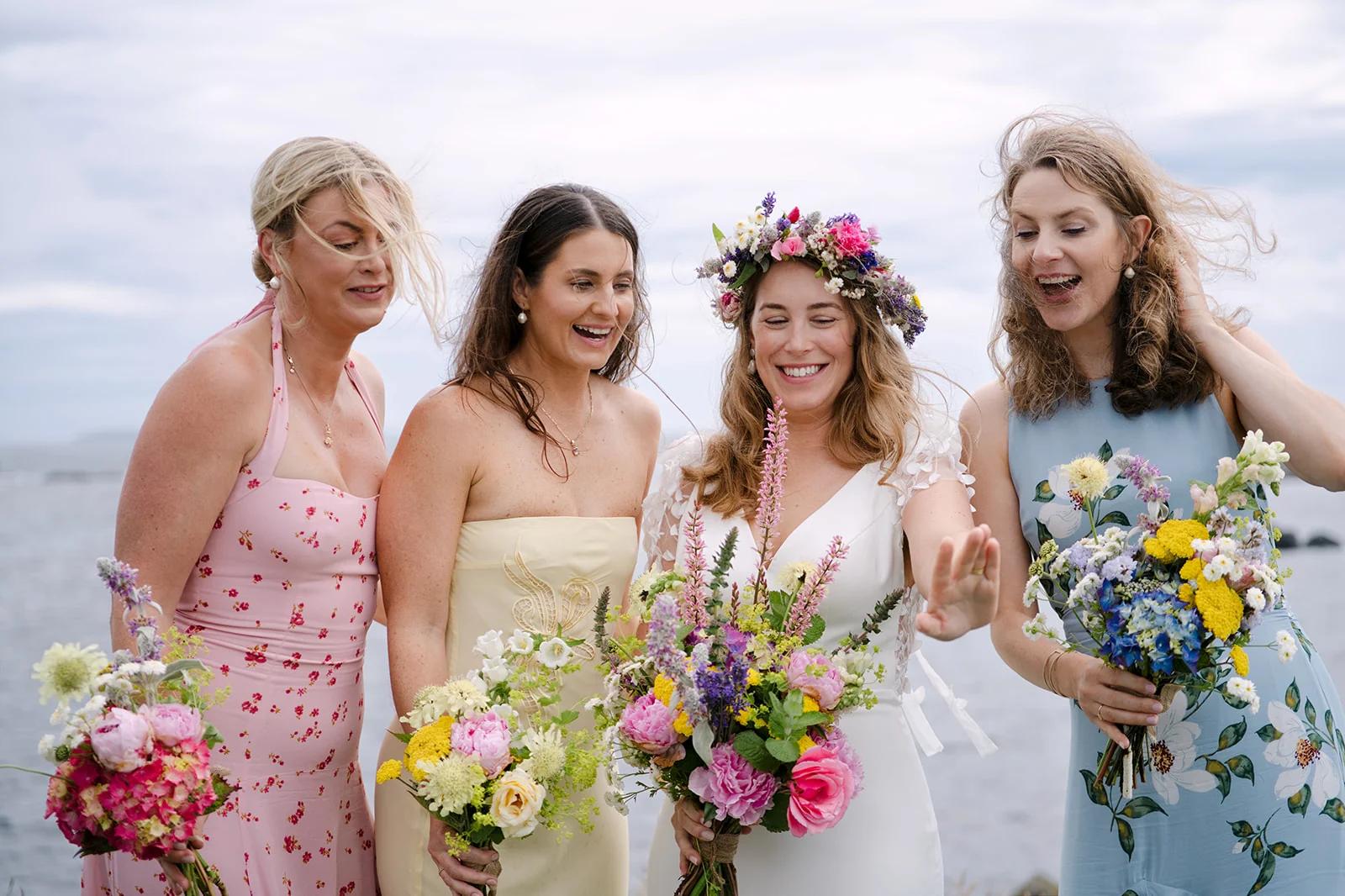
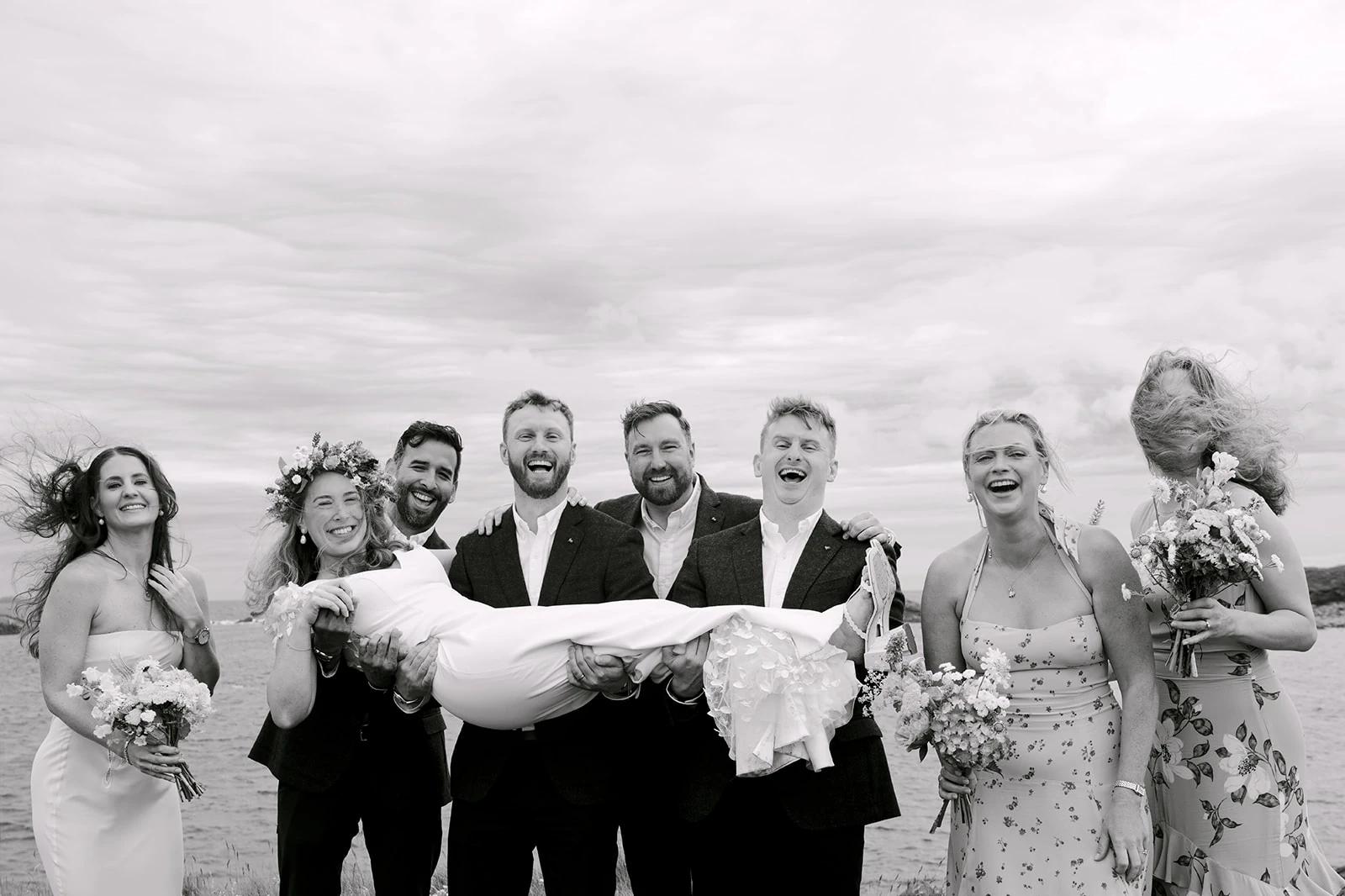
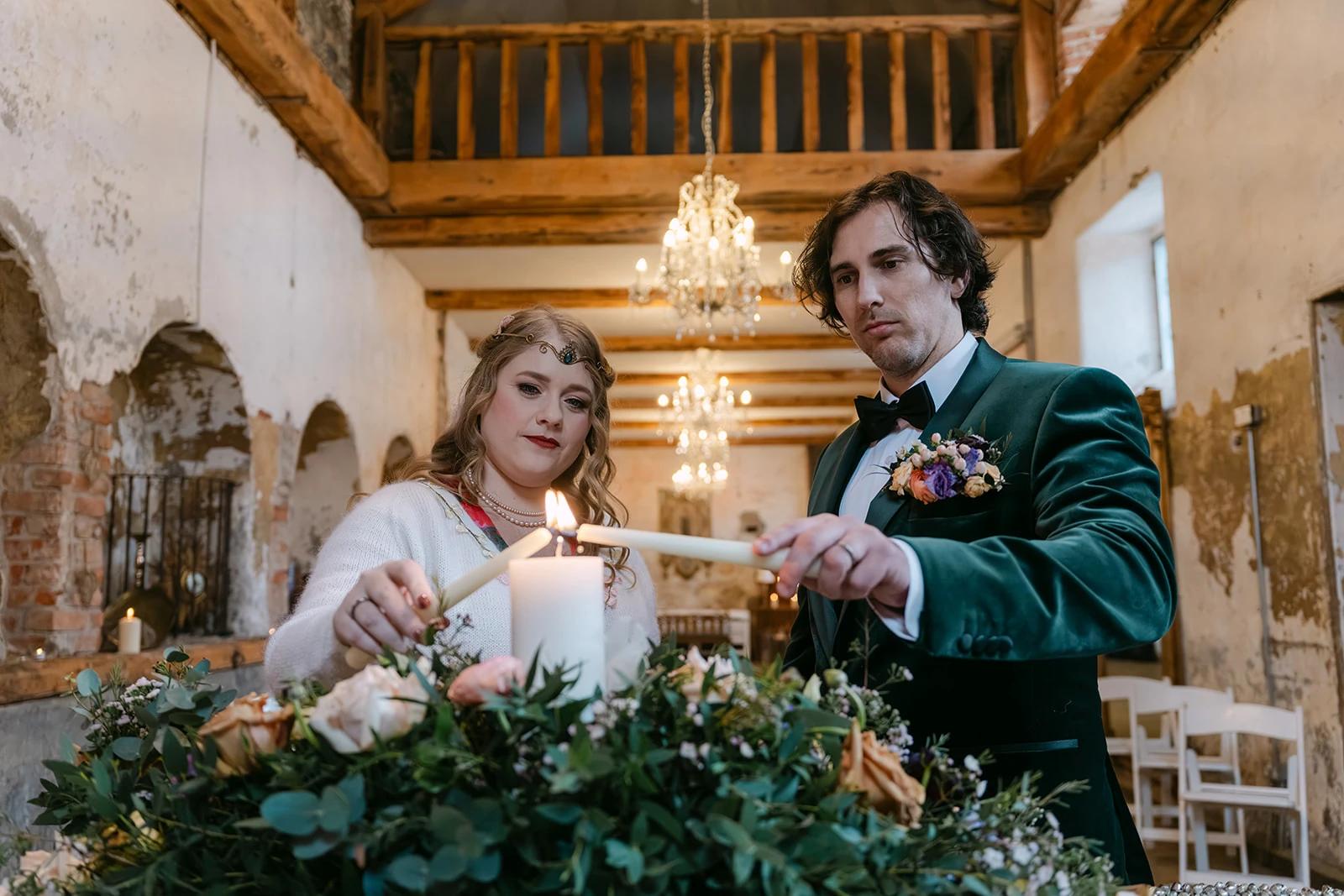
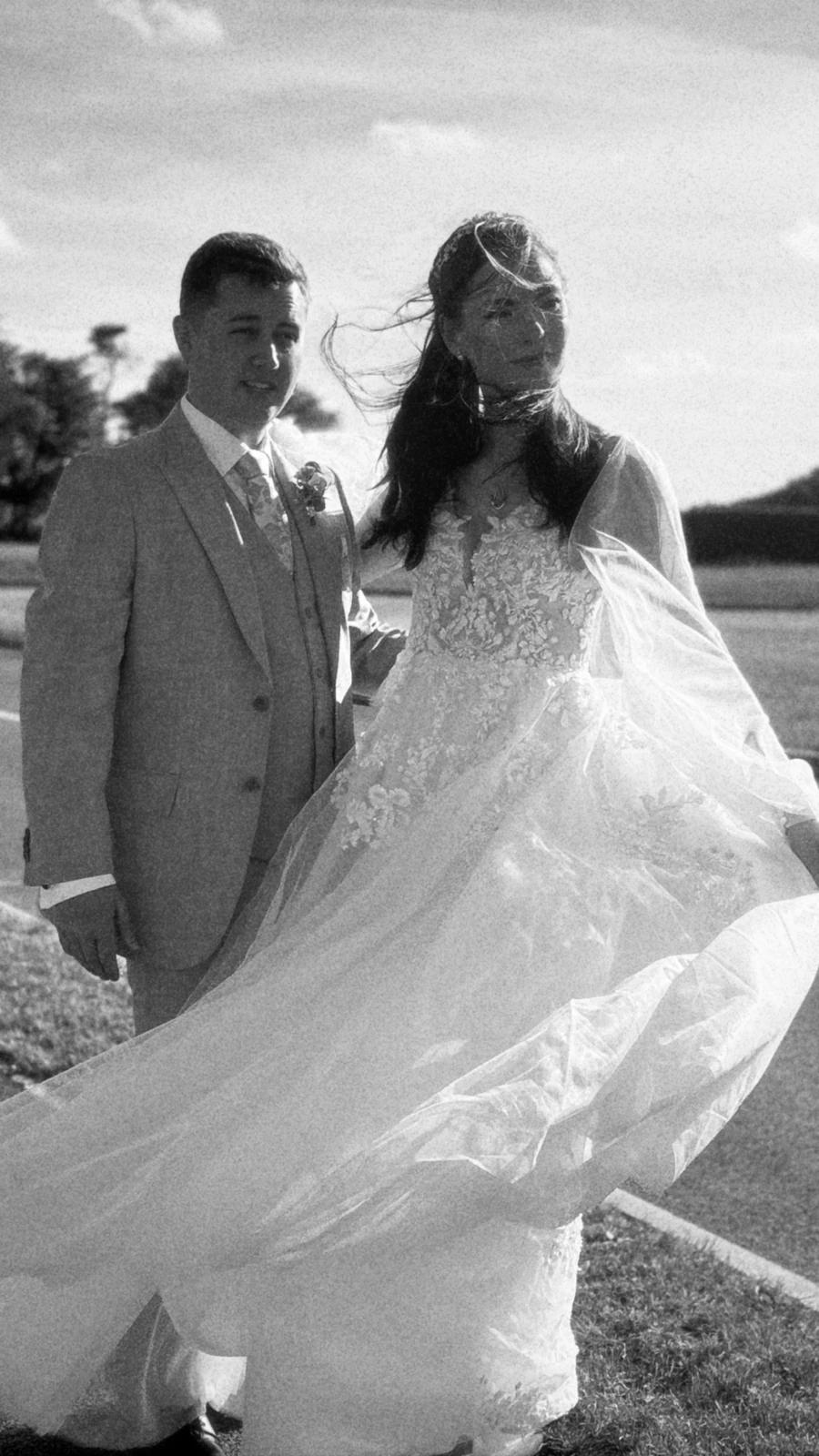
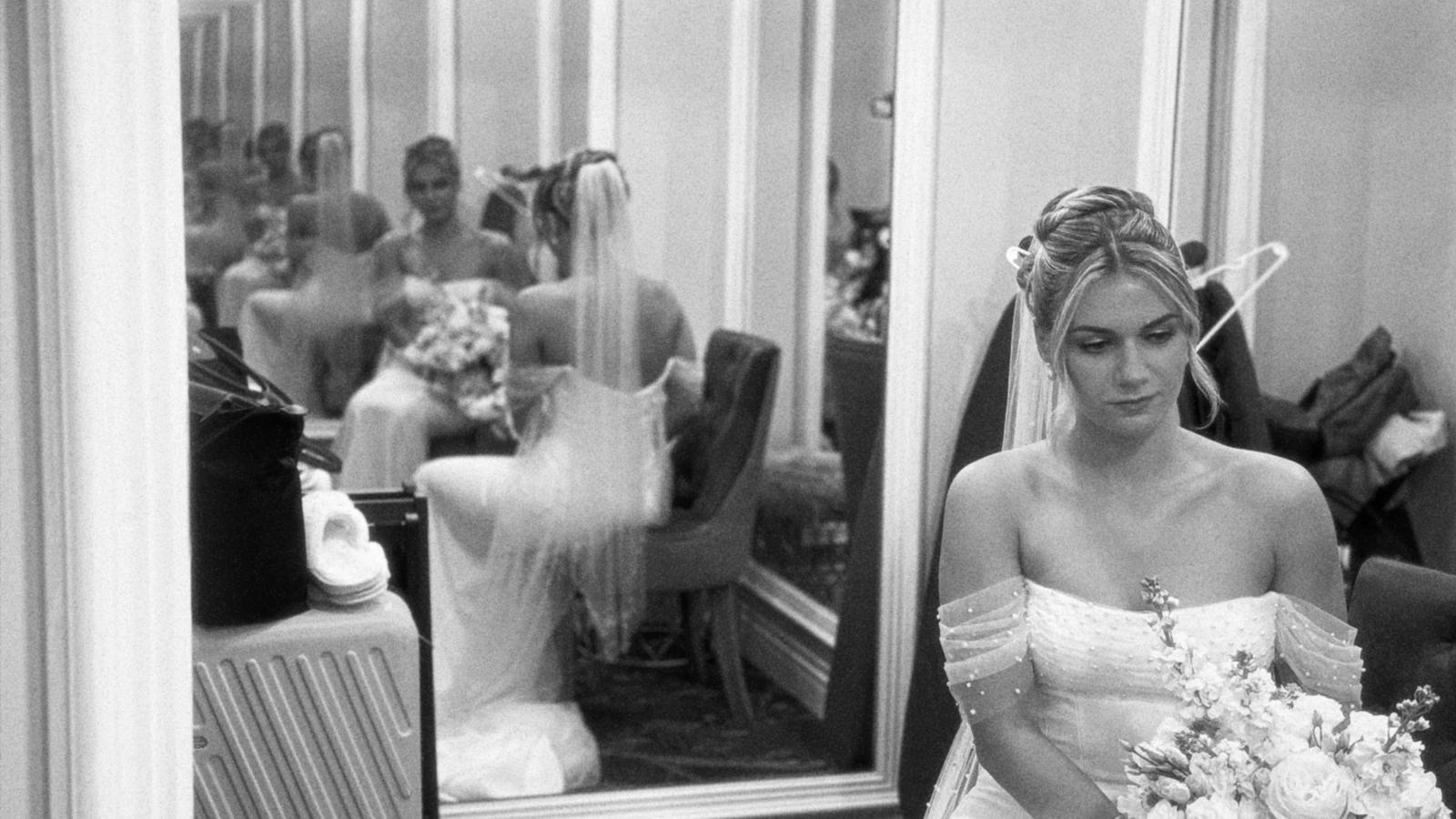
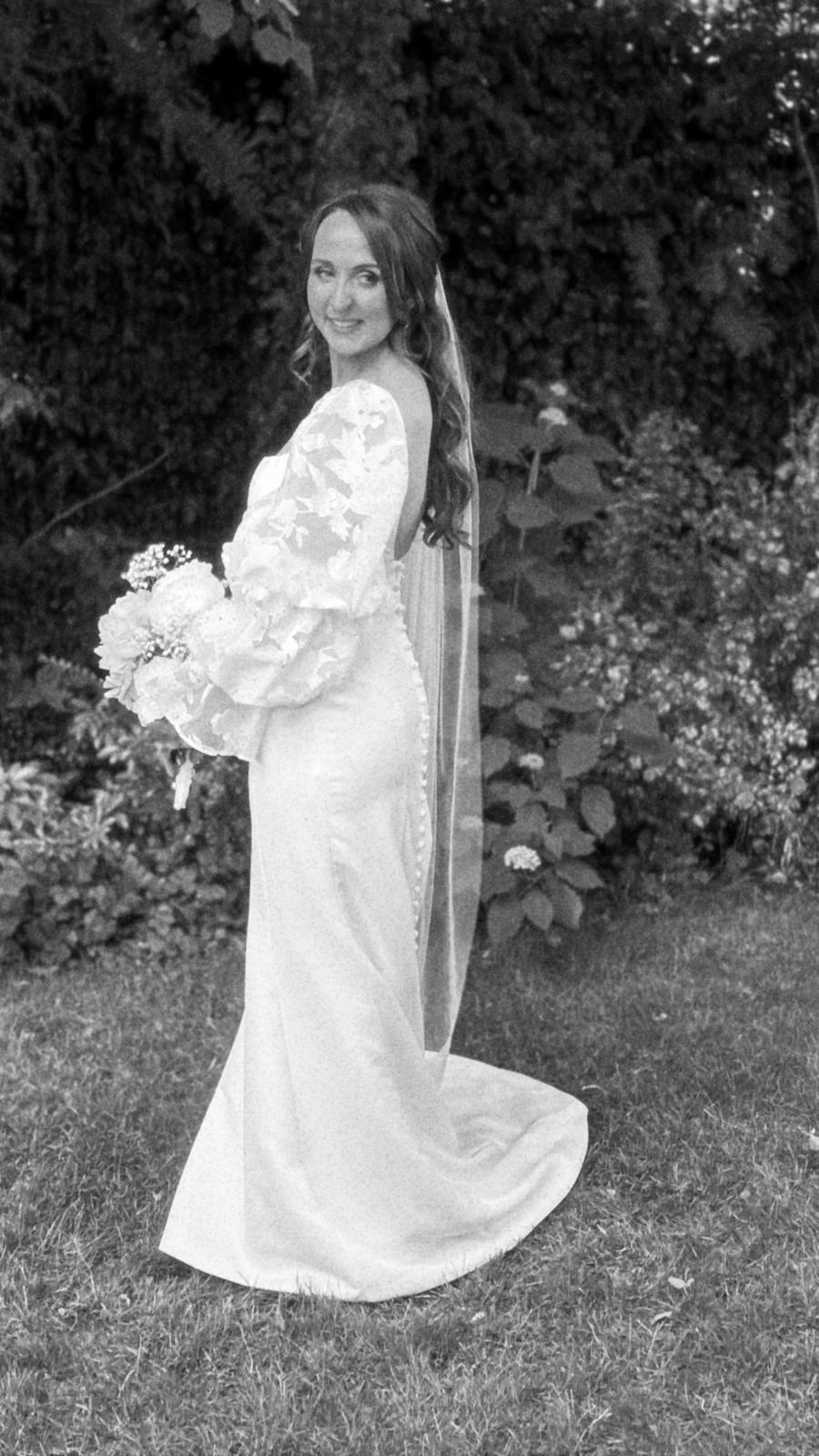
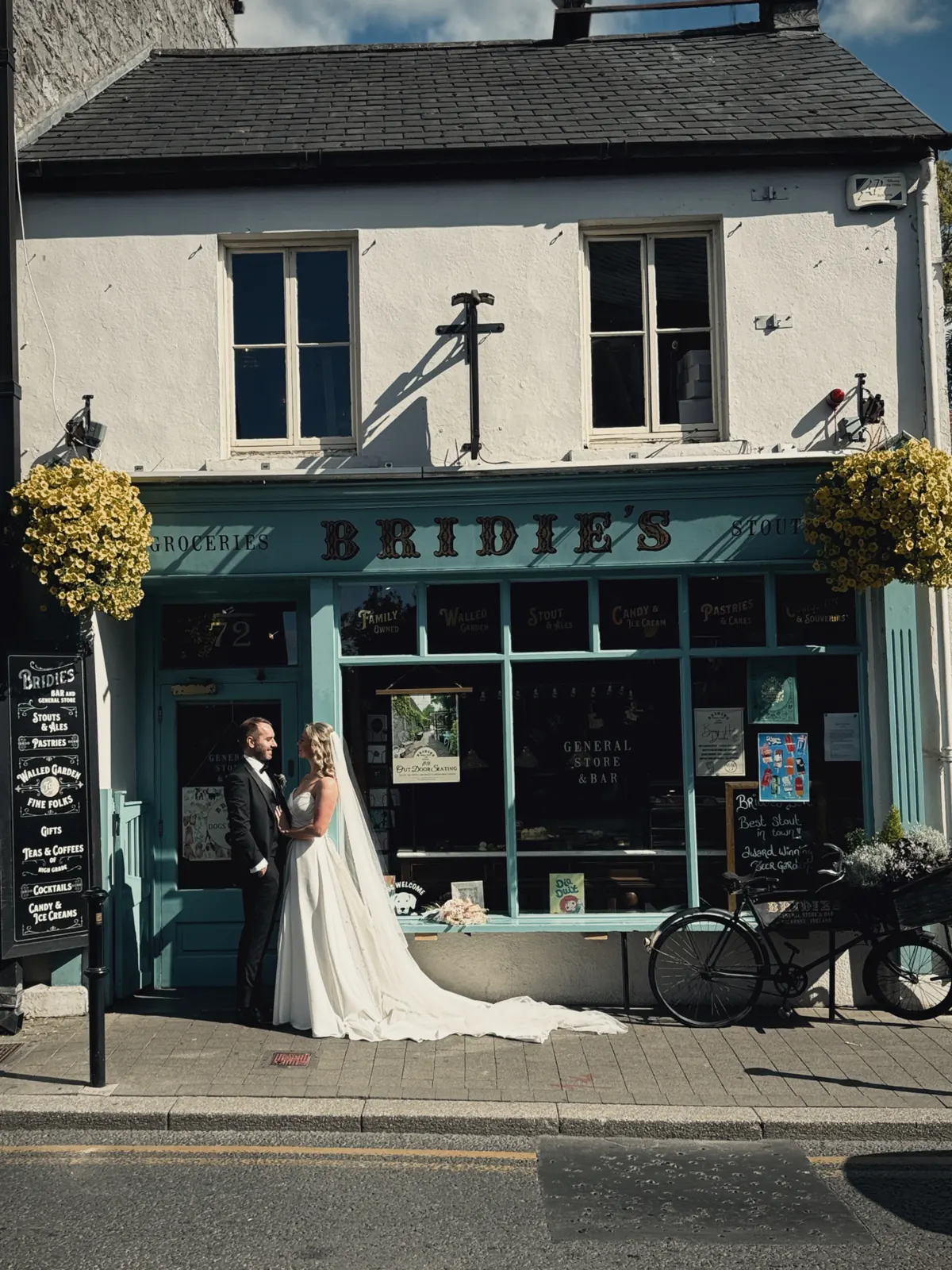
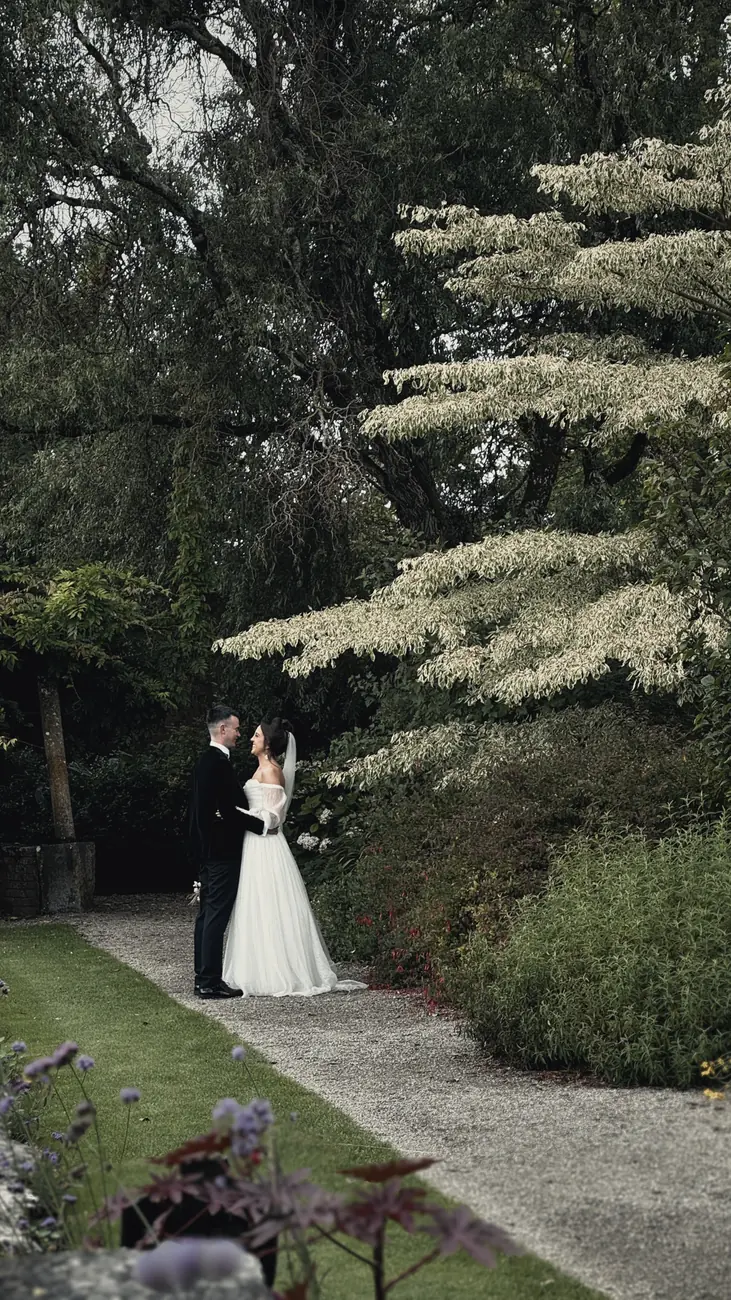
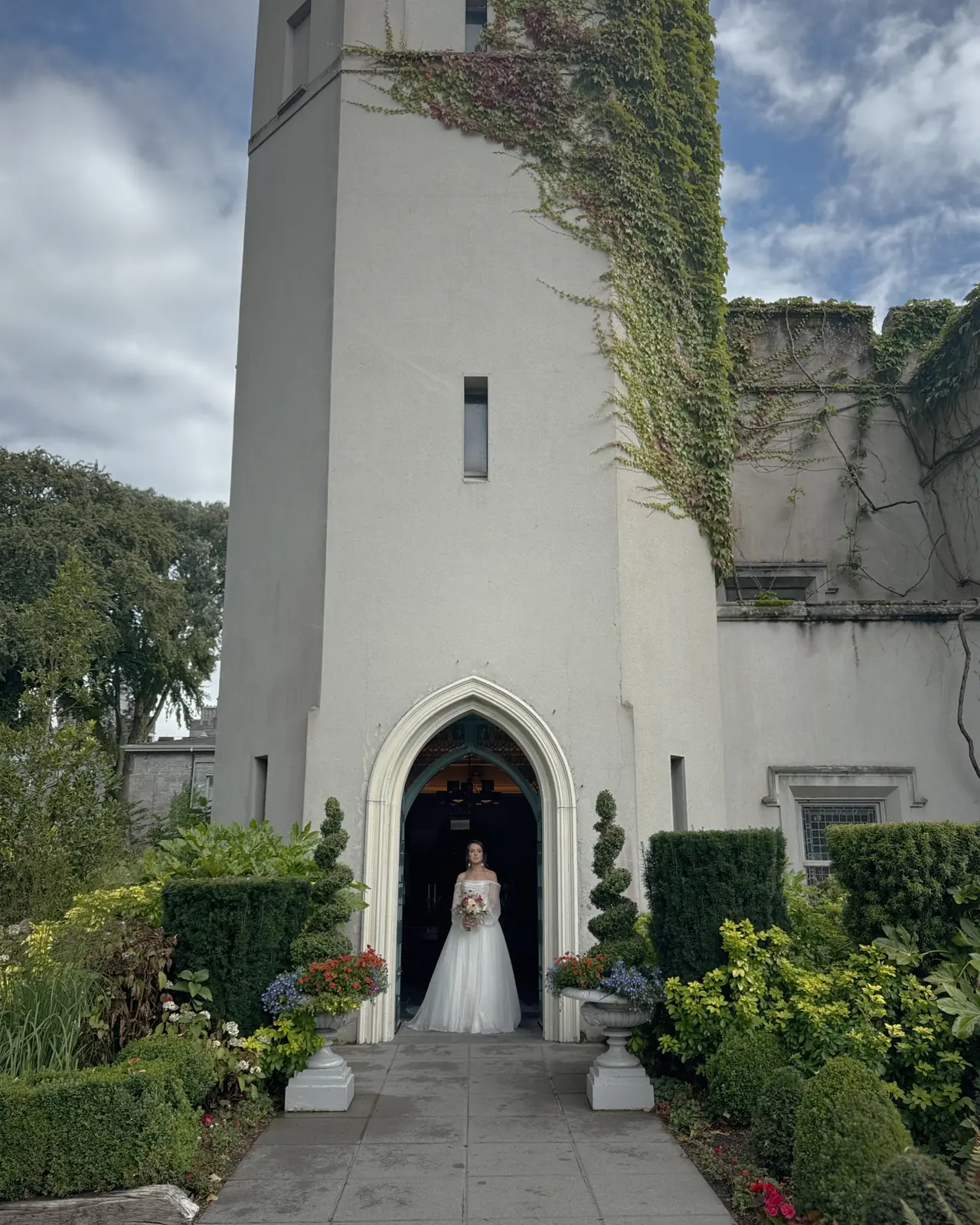
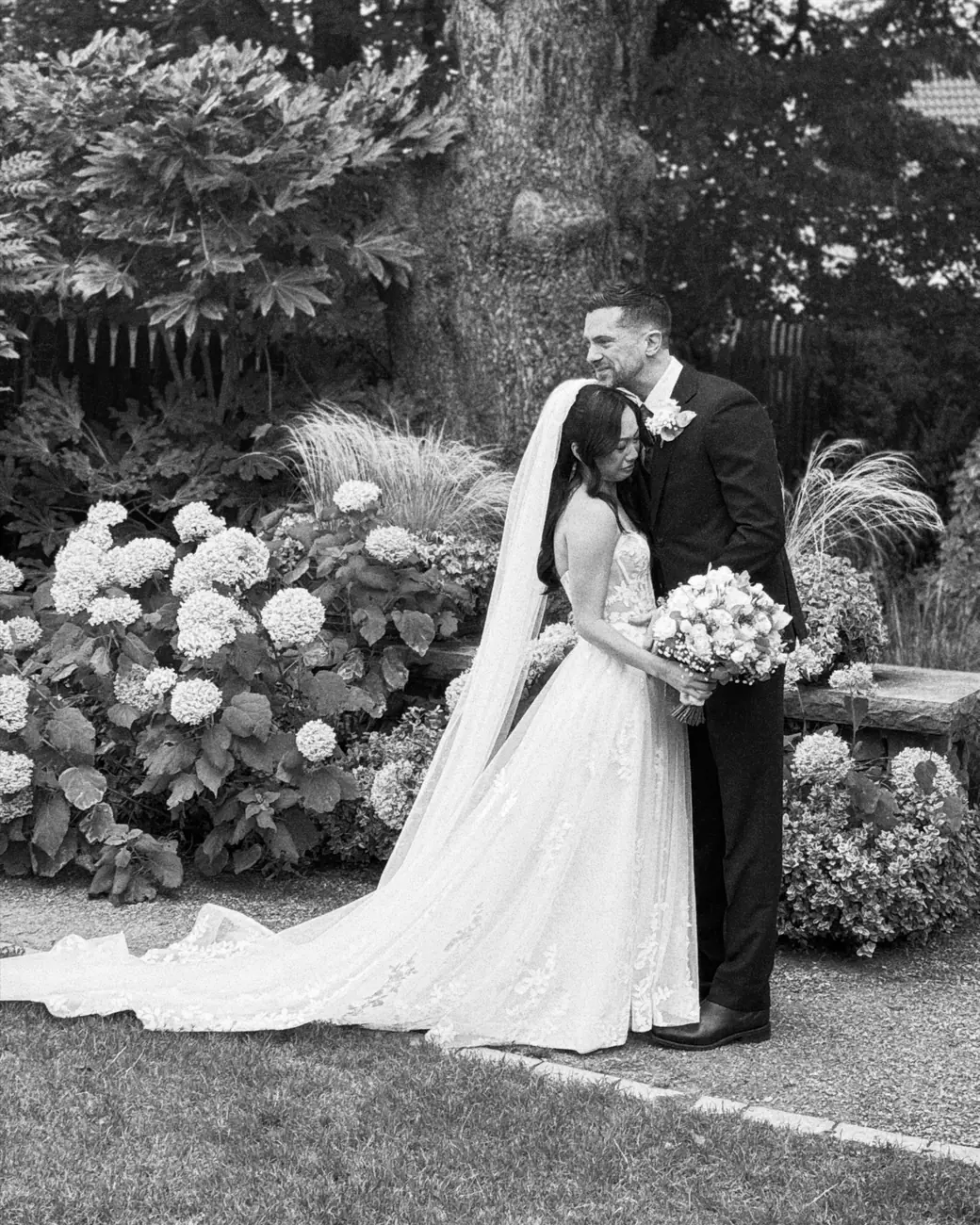
Wedding photographs for looking at properly. Portraits, atmosphere and the frame beside the obvious one. Some explain themselves immediately. Others are slower, which is useful.
See wedding photography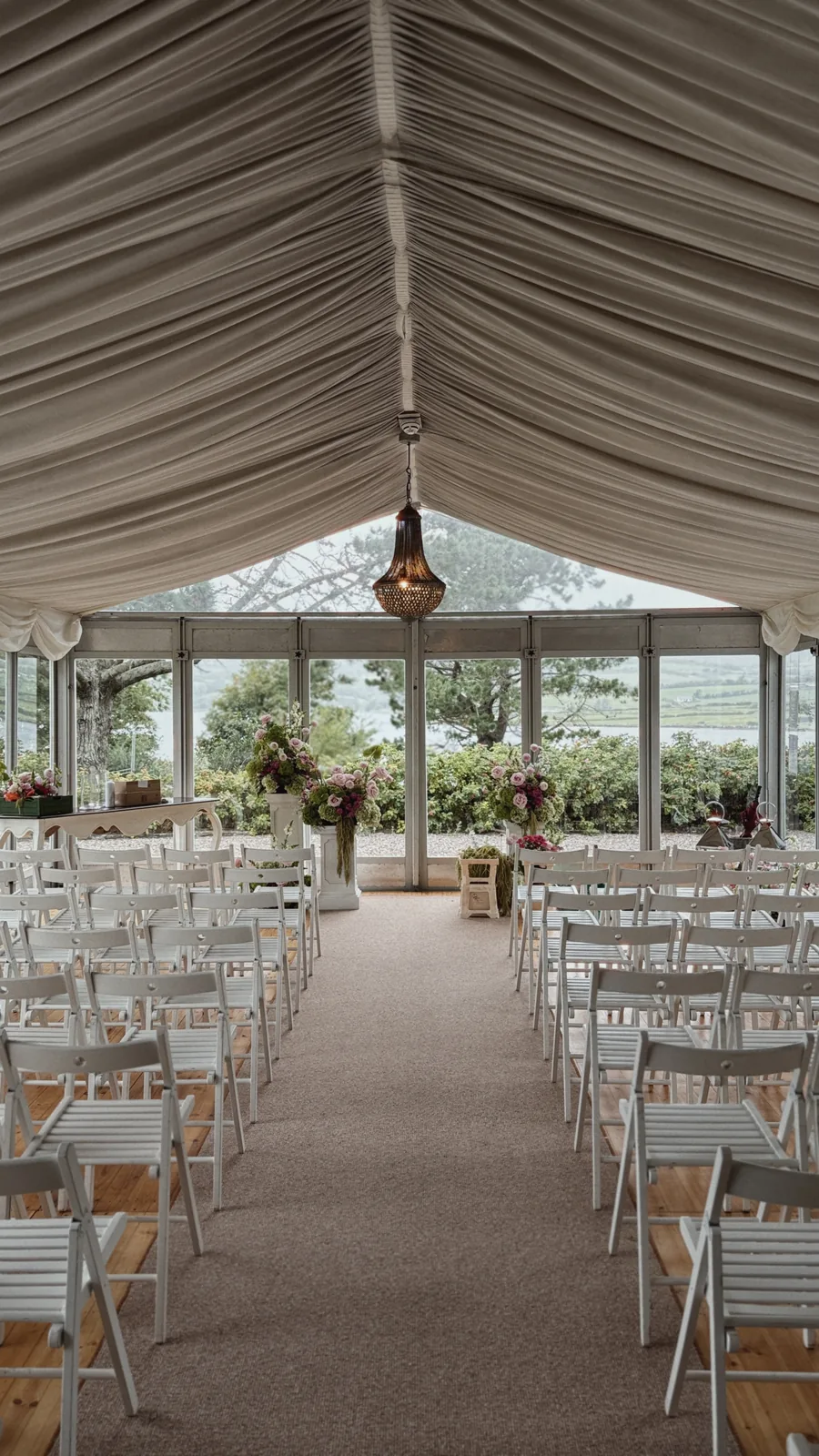
The honest answer
A wedding does not need more cameras. It needs the cameras it has to be told where to stand, and one person to make the call when two of them want the same three feet of floor.