★★★★★Google review
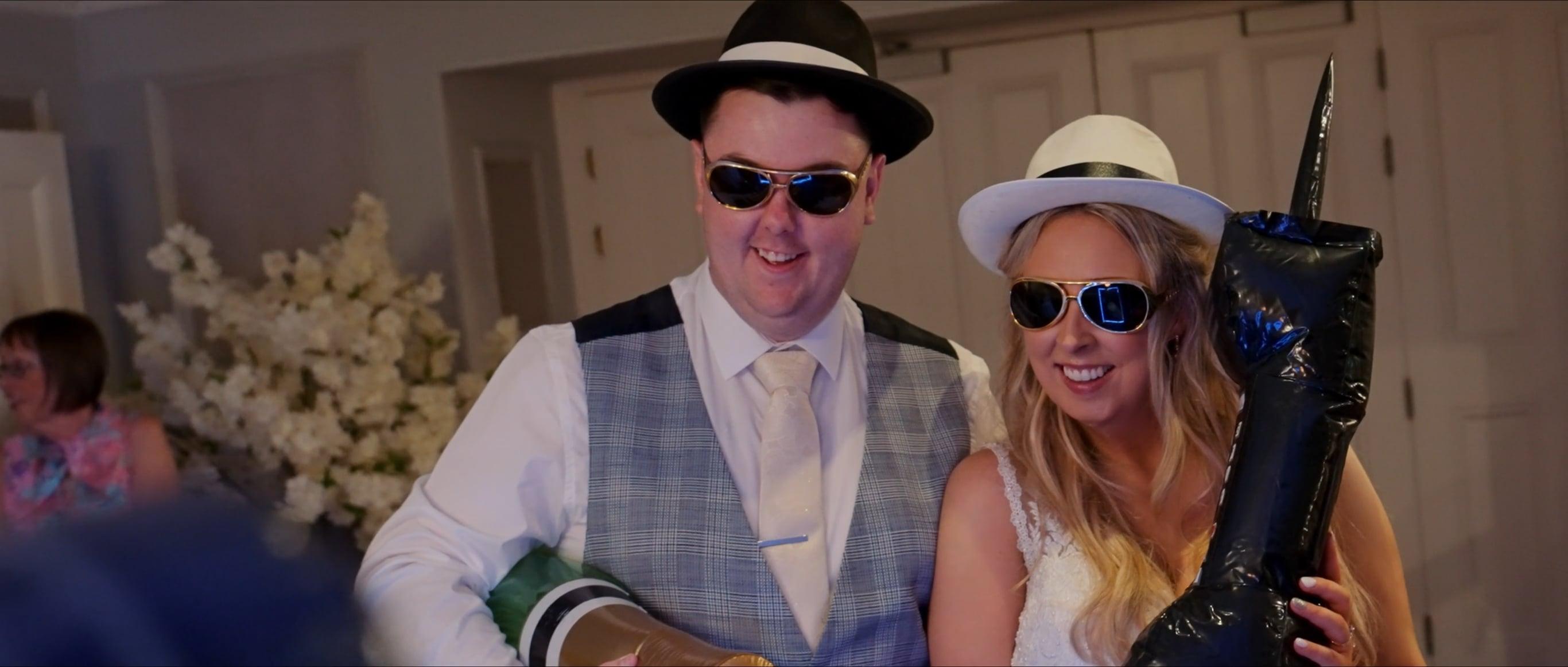
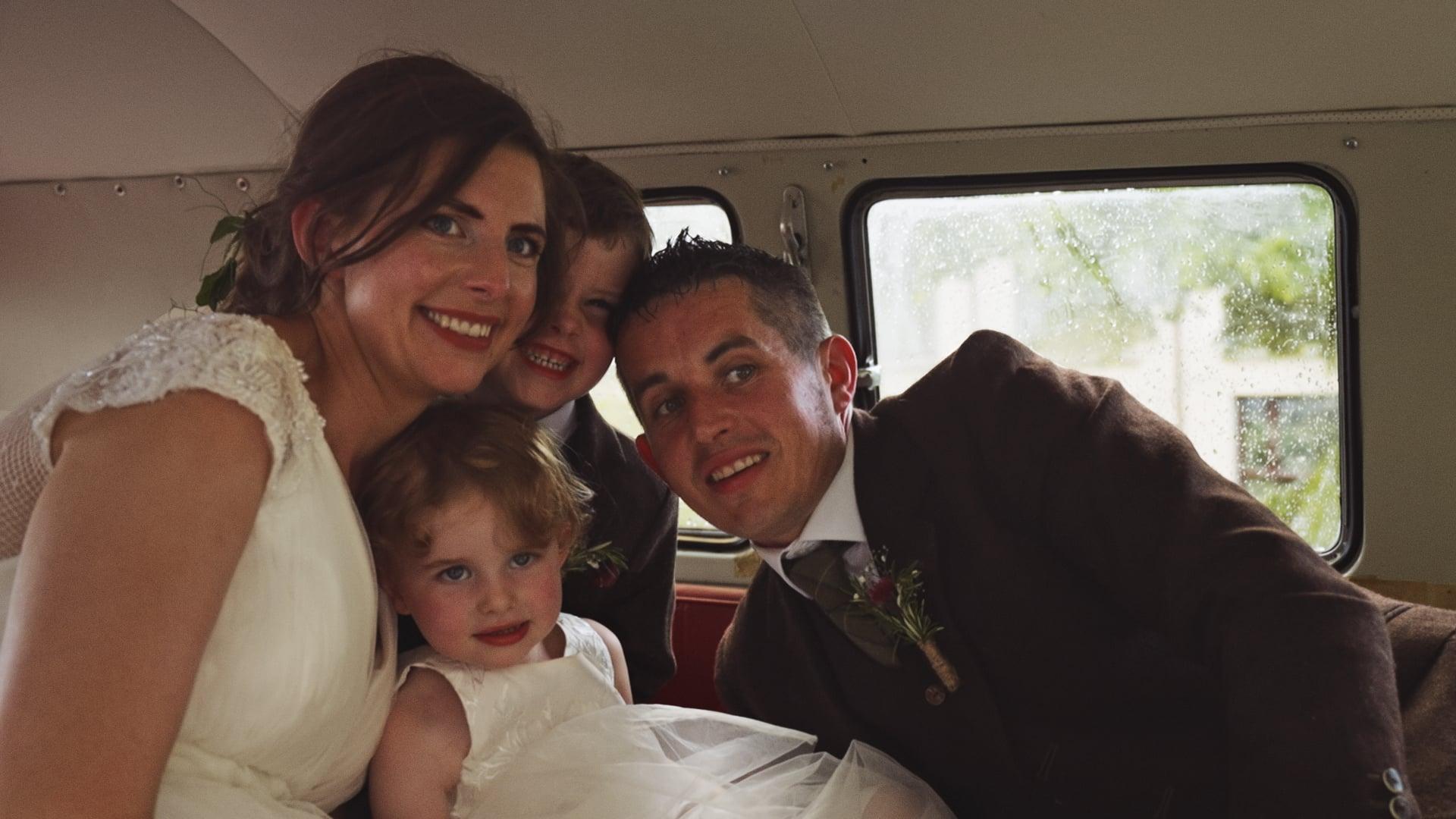
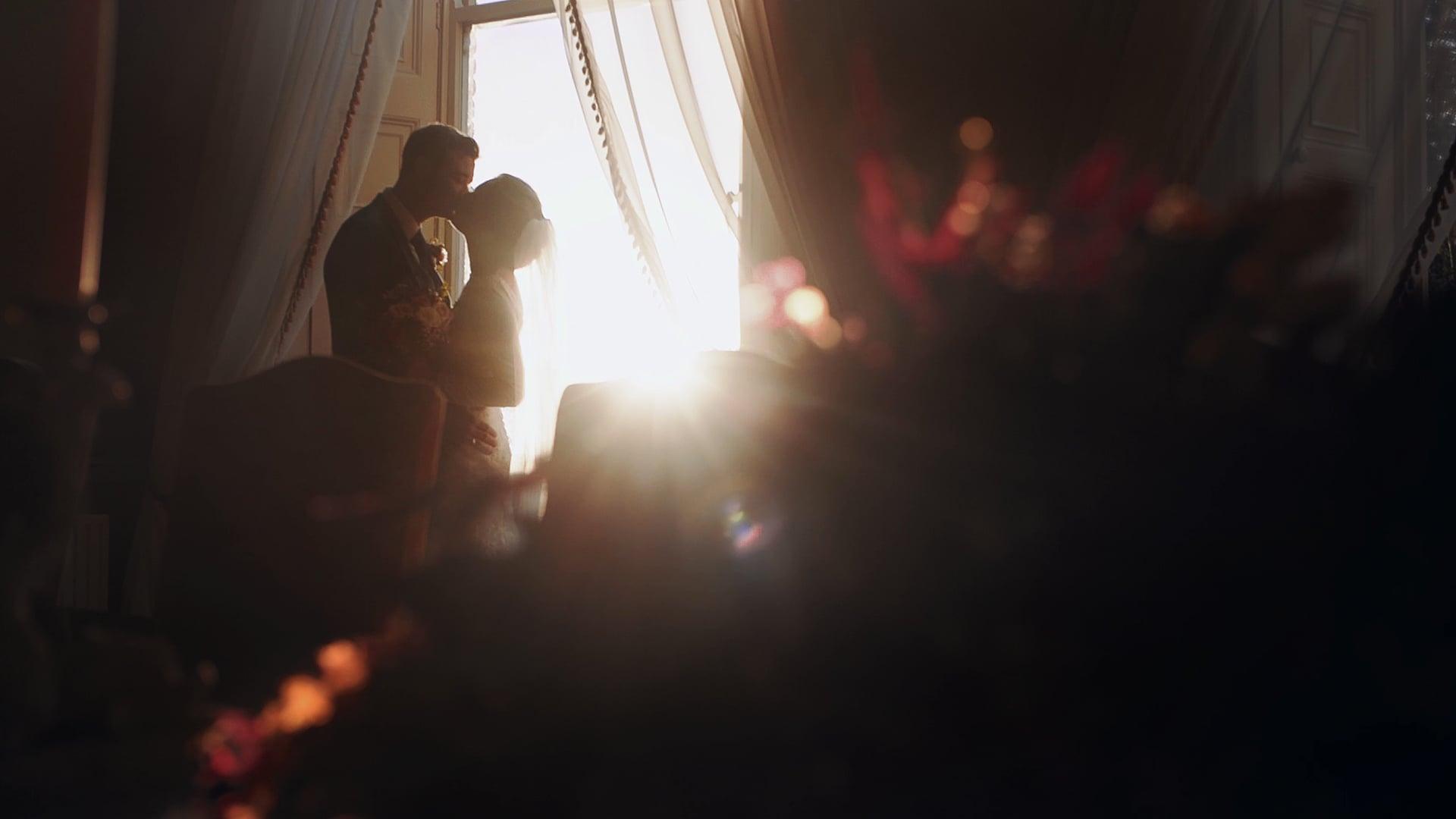
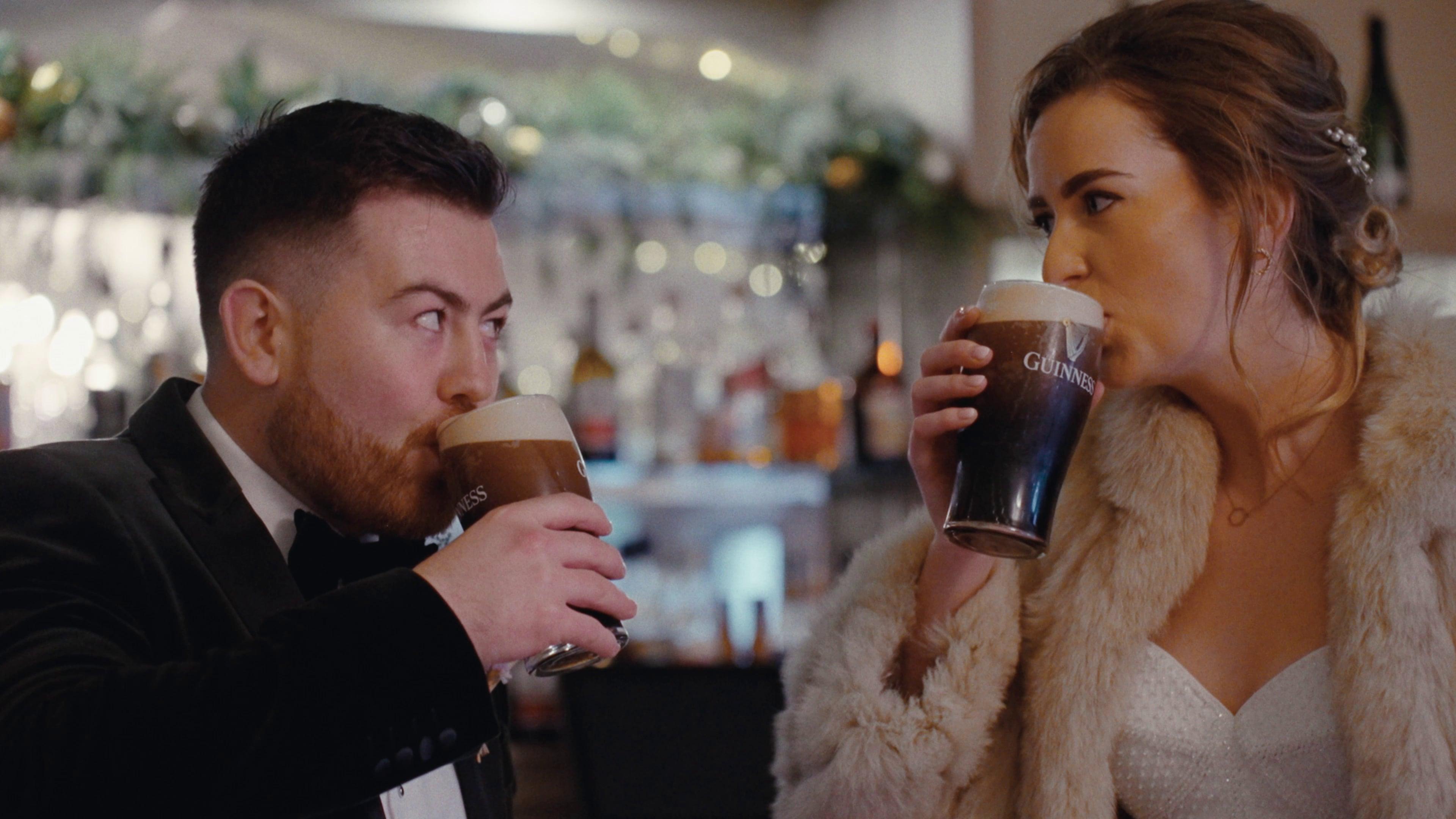
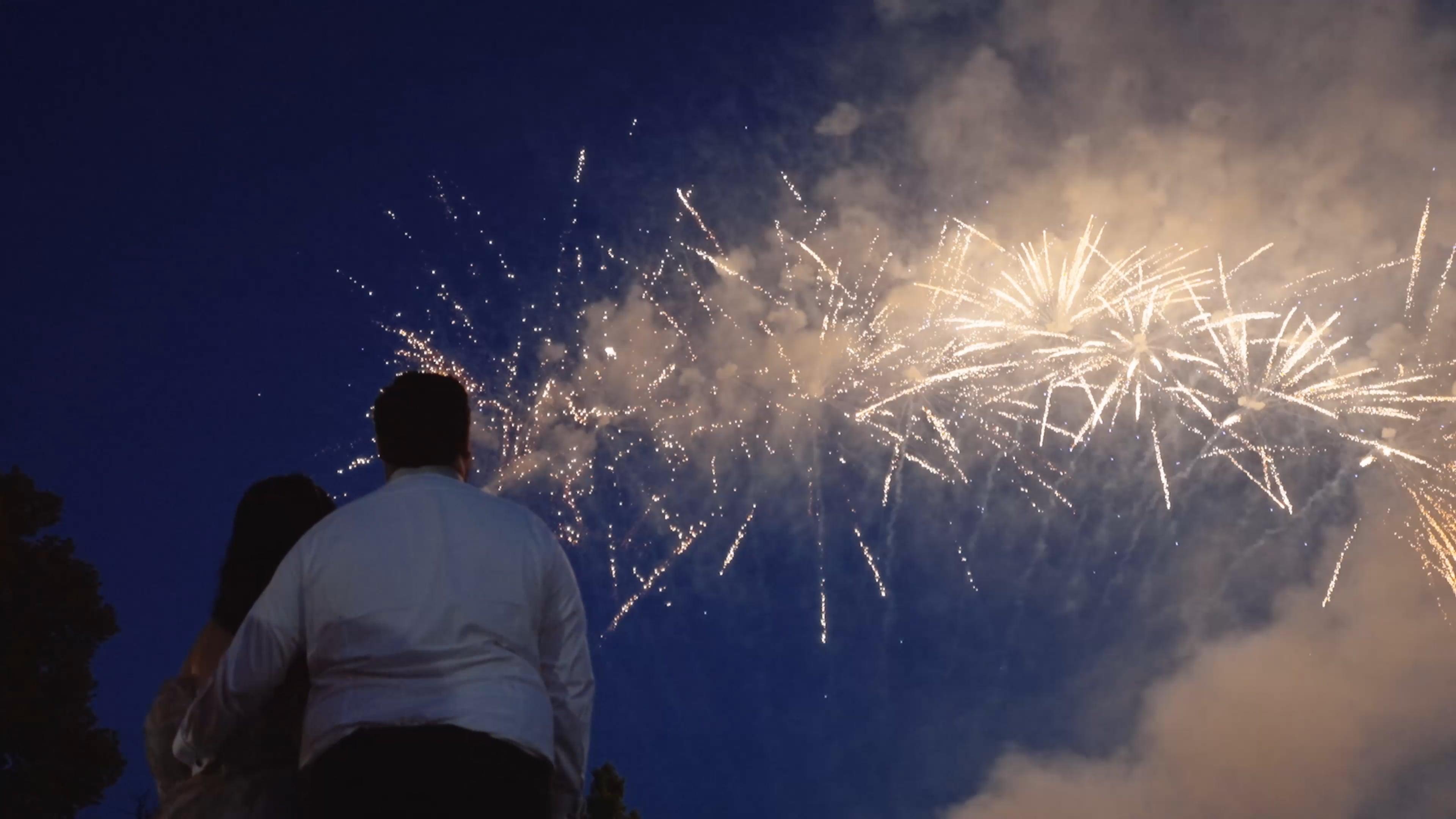
Once the party started he blended in so well that we all forgot about the camera—he really captured a lot of happy candid moments that we will treasure in years to come.


LocationsLeinsterIreland
Wedding videography, photography and content creation across County Meath, from Slane and the Boyne Valley to Navan, Trim, Kells, Dunboyne and the coast at Laytown.
Ireland
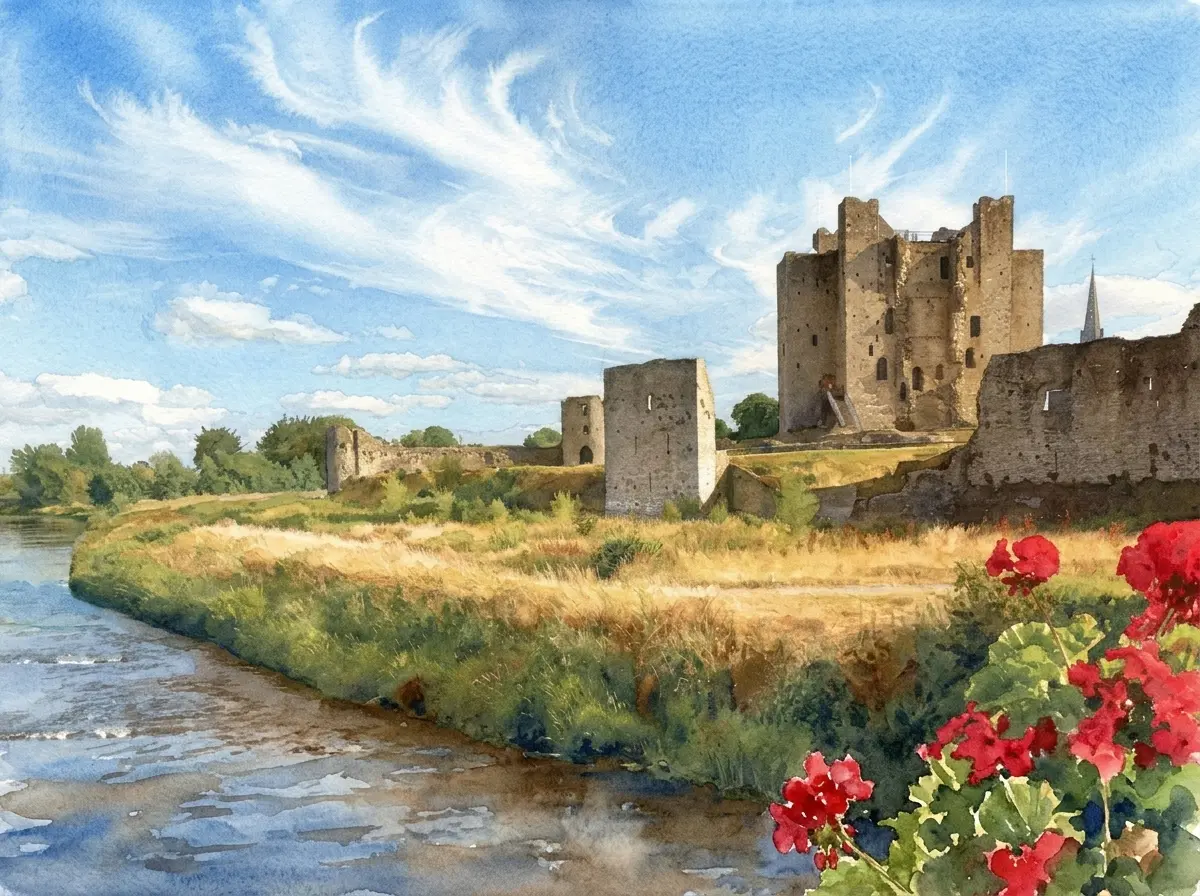
Working in County Meath
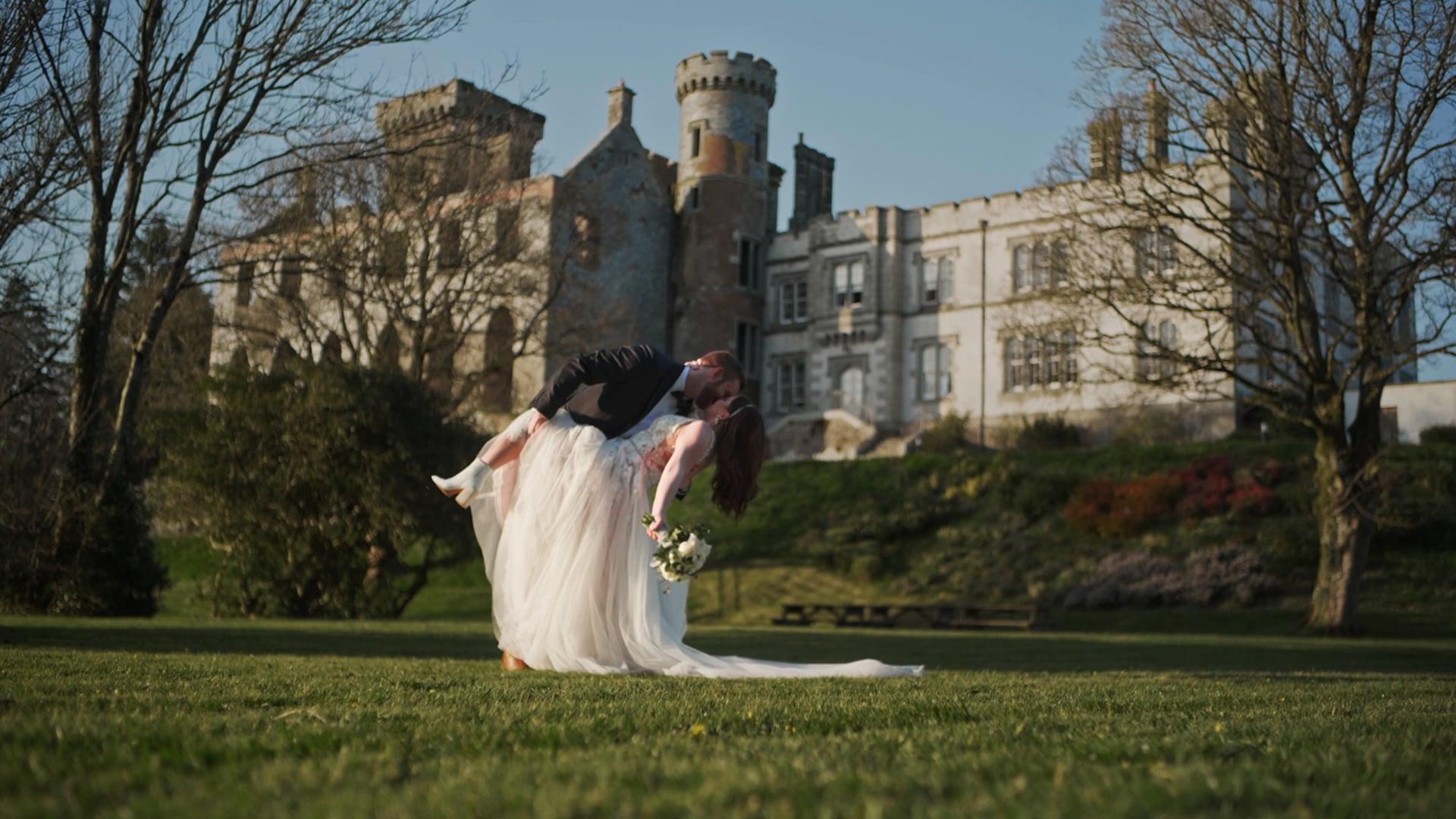
The Meath most couples picture is the Boyne Valley: Slane, Navan, Trim, Kells, stone bridges, castle walls and estate avenues with the M3 running quietly behind them. It is a working county with serious heritage in it, and a wedding there can look like a postcard without trying.
The other Meath faces Dublin. Ashbourne, Dunboyne and Enfield are commuter country, and a wedding there is often a Dublin wedding with better parking. That changes the evening more than the ceremony. Half the room is deciding whether to take a taxi home or leave a car and come back for it in the morning, and the coverage plan should know when that decision starts happening.
Three ways to keep a Meath wedding.
Choose one, or let two share the estate.
Meath venues do a particular thing well: a long avenue, a stone house, a room that fills with Dublin accents and a band that has played here before. The film works when it stays inside that rhythm, holding the ceremony properly, catching the speeches without clipping and letting the last hour look like the last hour rather than a tidy ending.
A Meath wedding often has two audiences: the room, and the group chat of people who could not make it. Vertical clips suit both, because they are made to be sent. We film on pocket cinema cameras from morning preparations until the dancing, keeping out of the way of a day that usually has a photographer, a band and a very organised venue coordinator already in it.
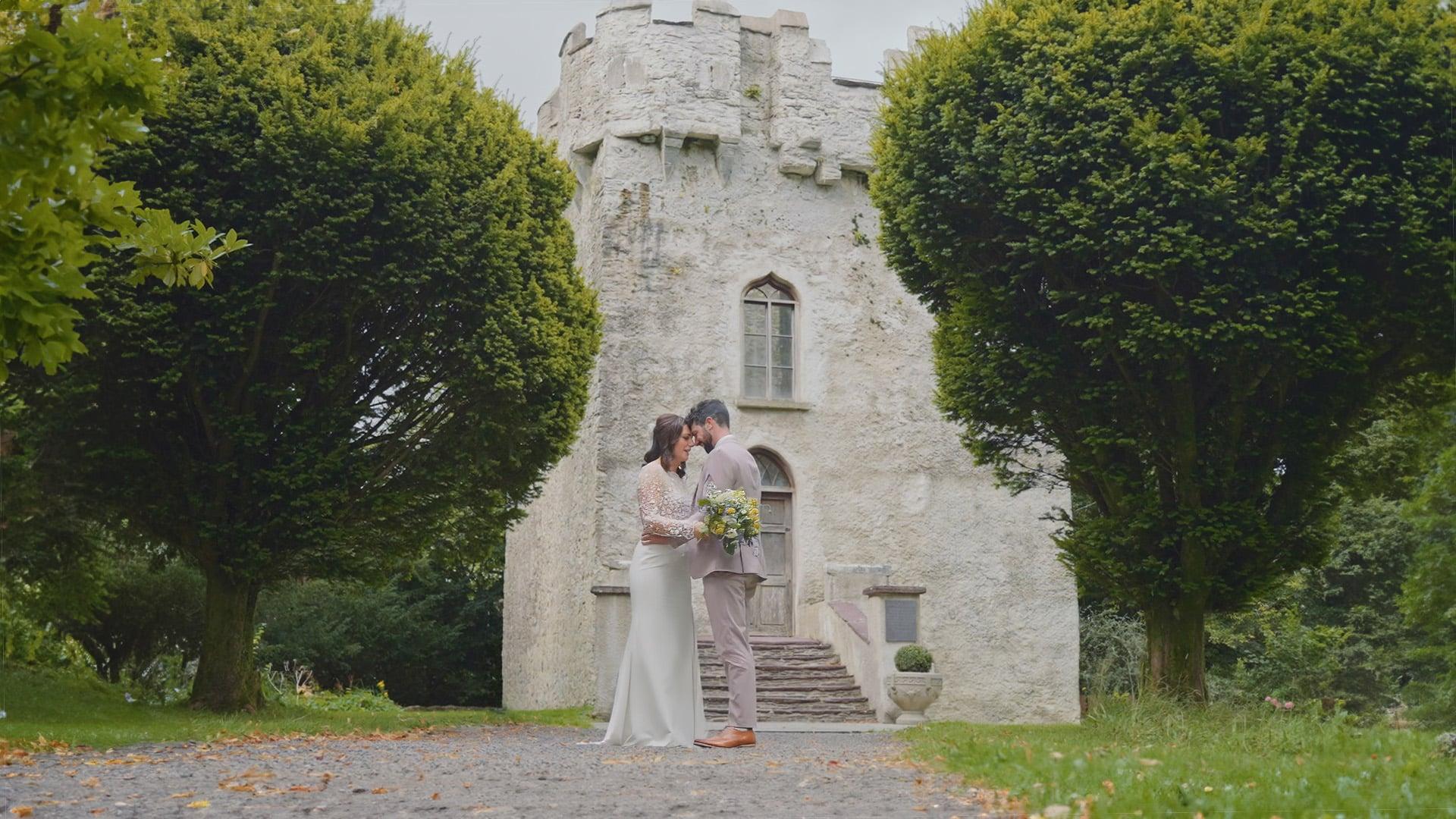
An estate gives you lawns, walls, gates and trees within a hundred metres, which is exactly what a winter or wet-weather wedding needs. Heritage sites like Tara, Trim and the Boyne Valley monuments are extraordinary and heavily used, with their own opening hours, access rules and visitor traffic. We would rather build the portrait plan around the venue and treat a heritage stop as a bonus than lose an hour in a visitor centre.

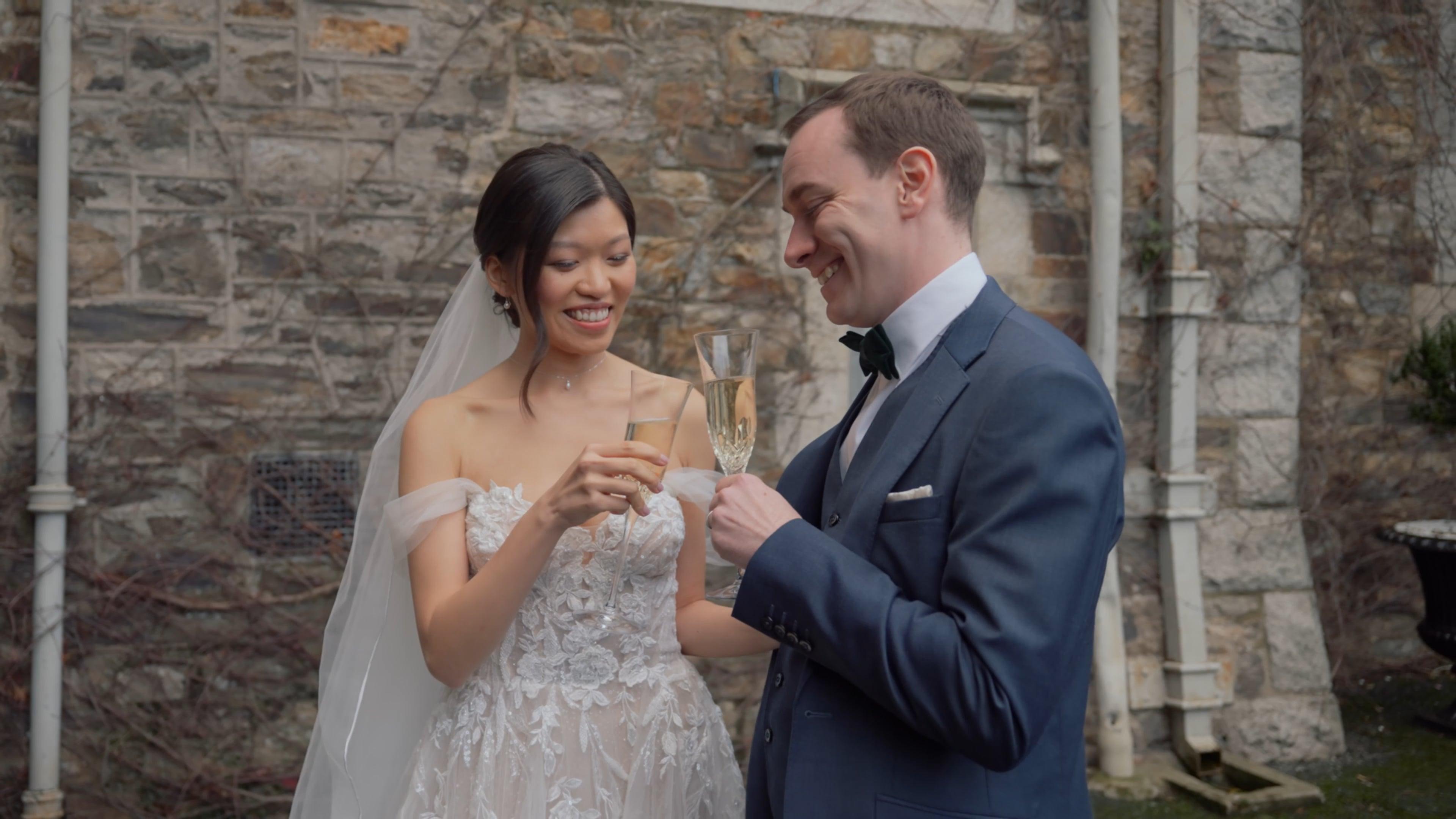
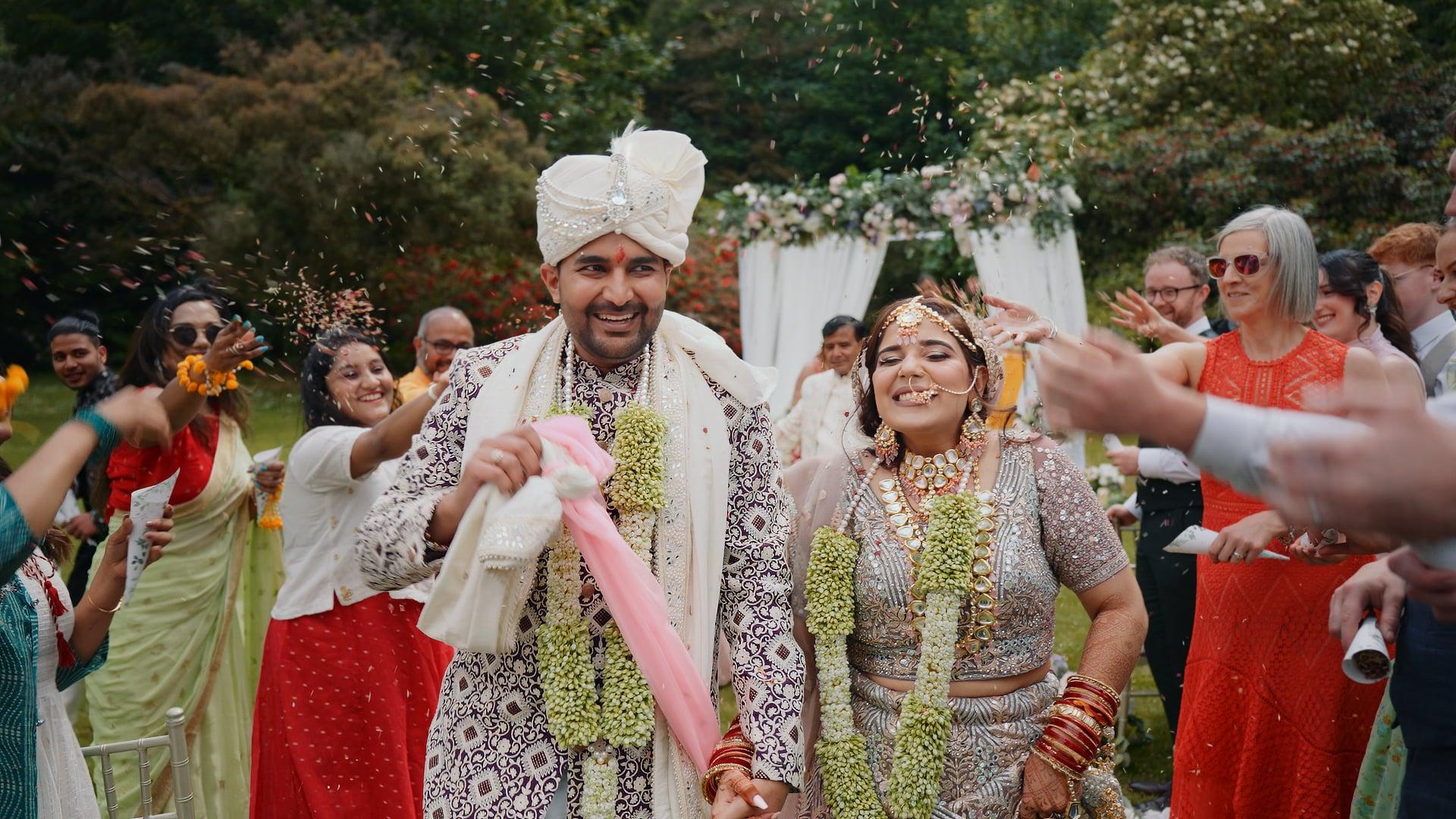
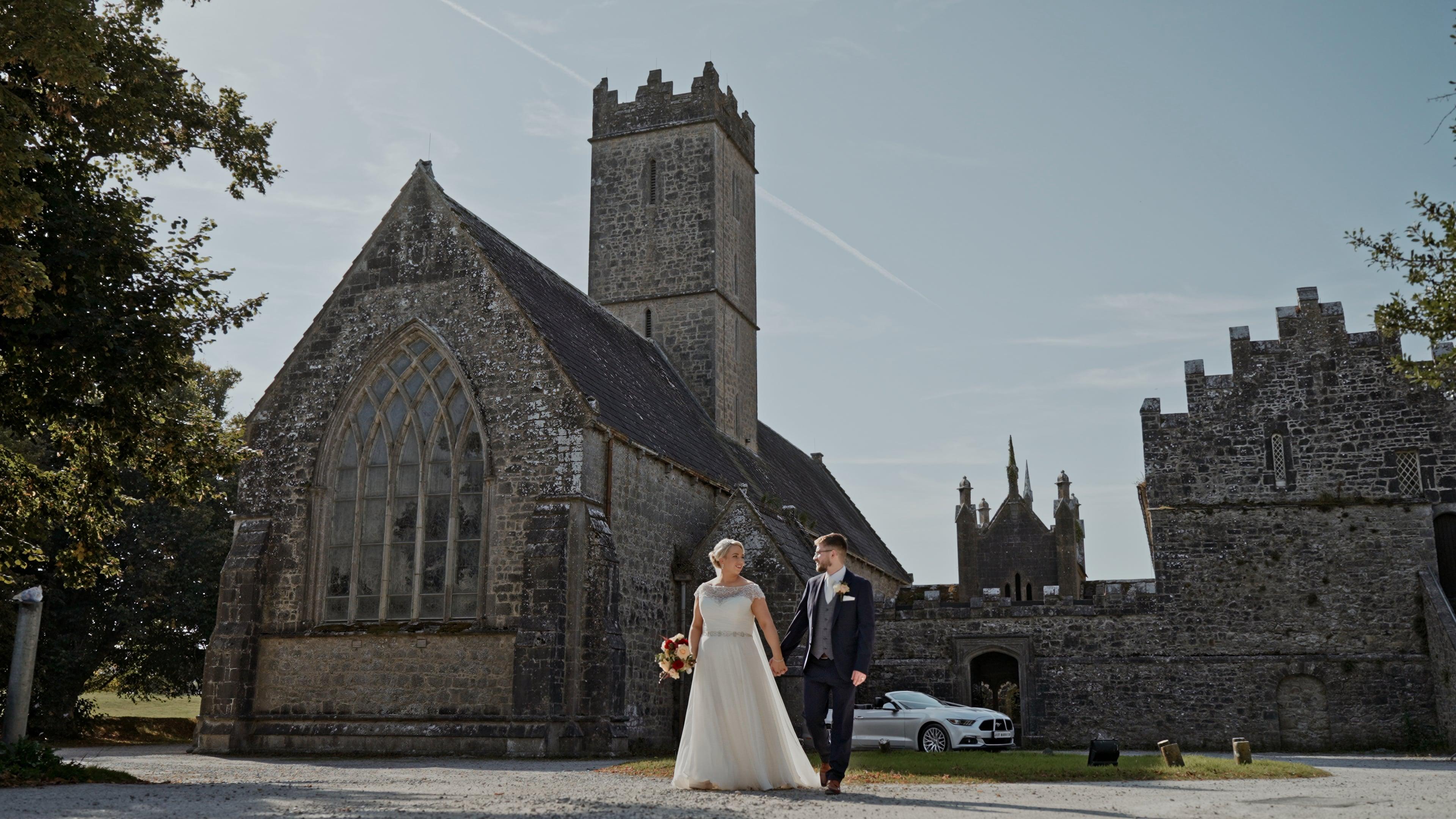
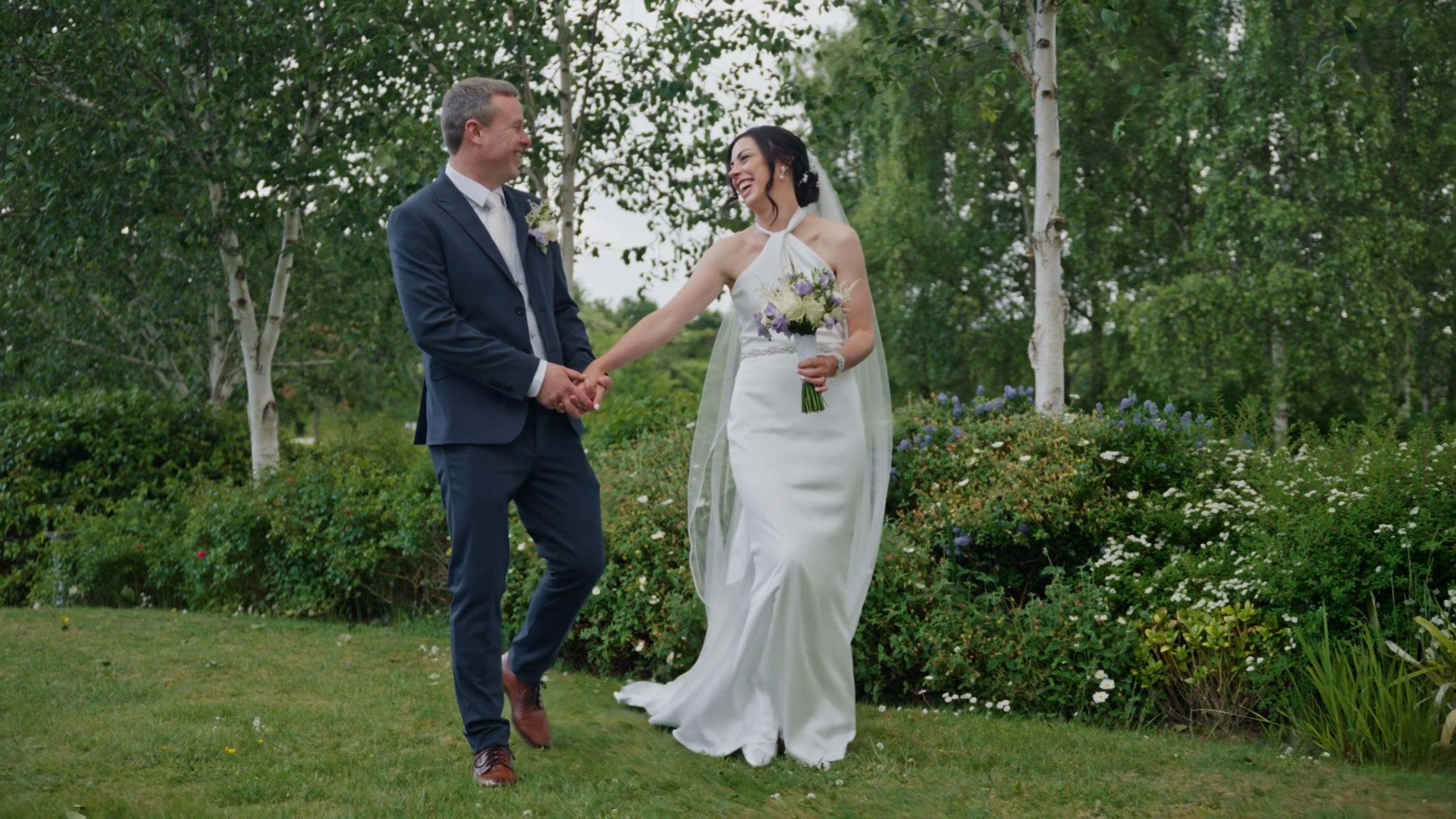
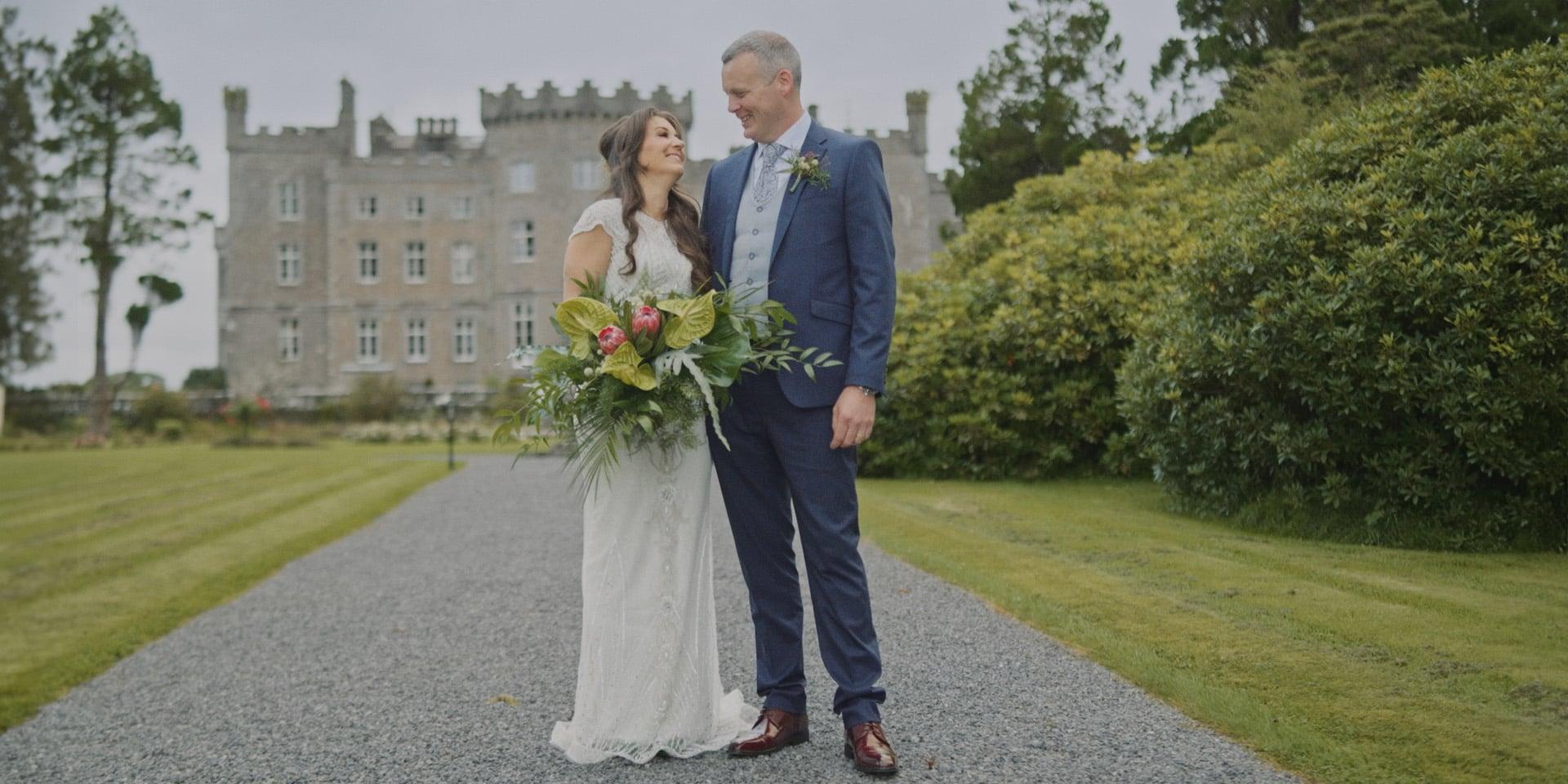
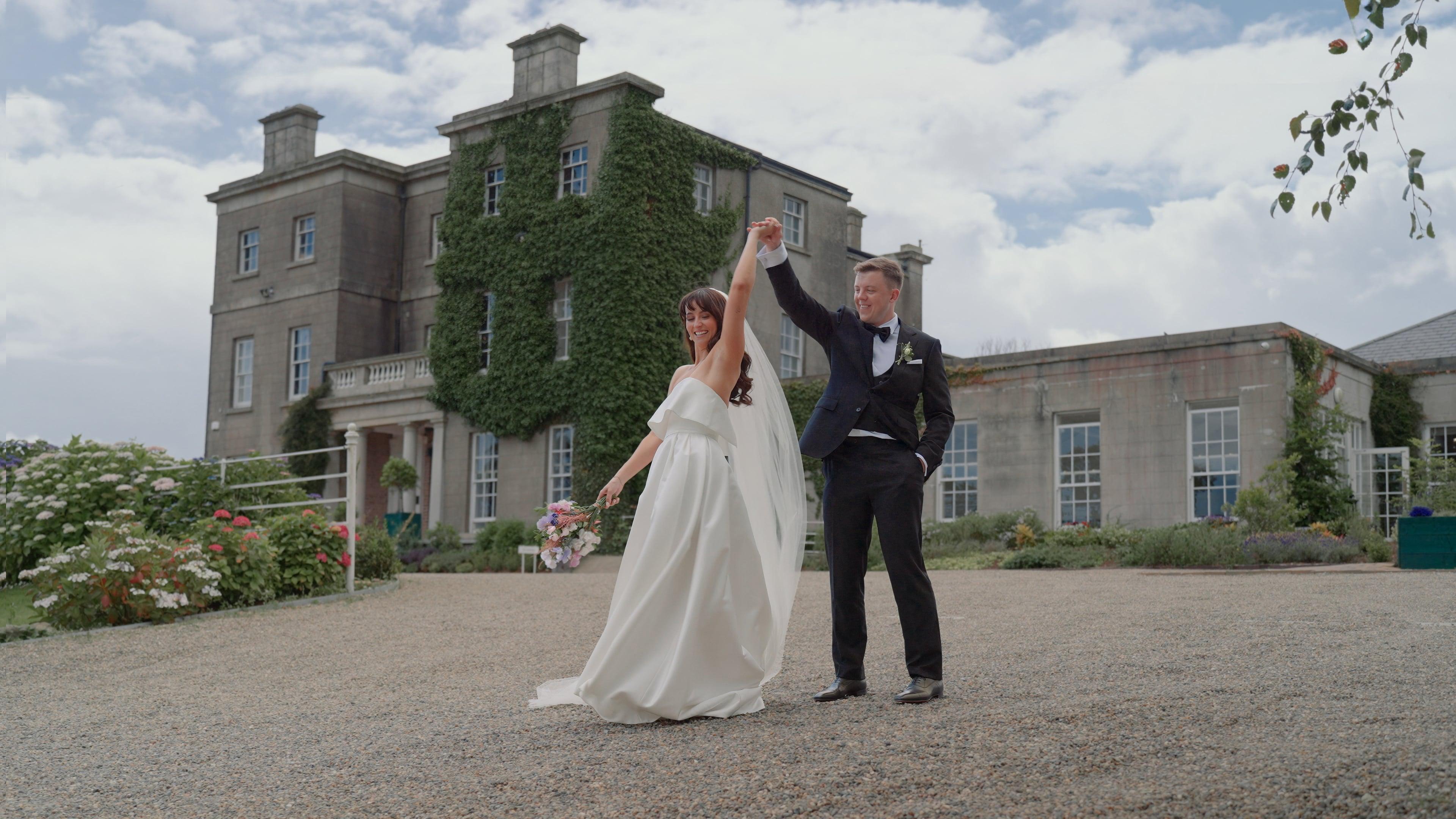
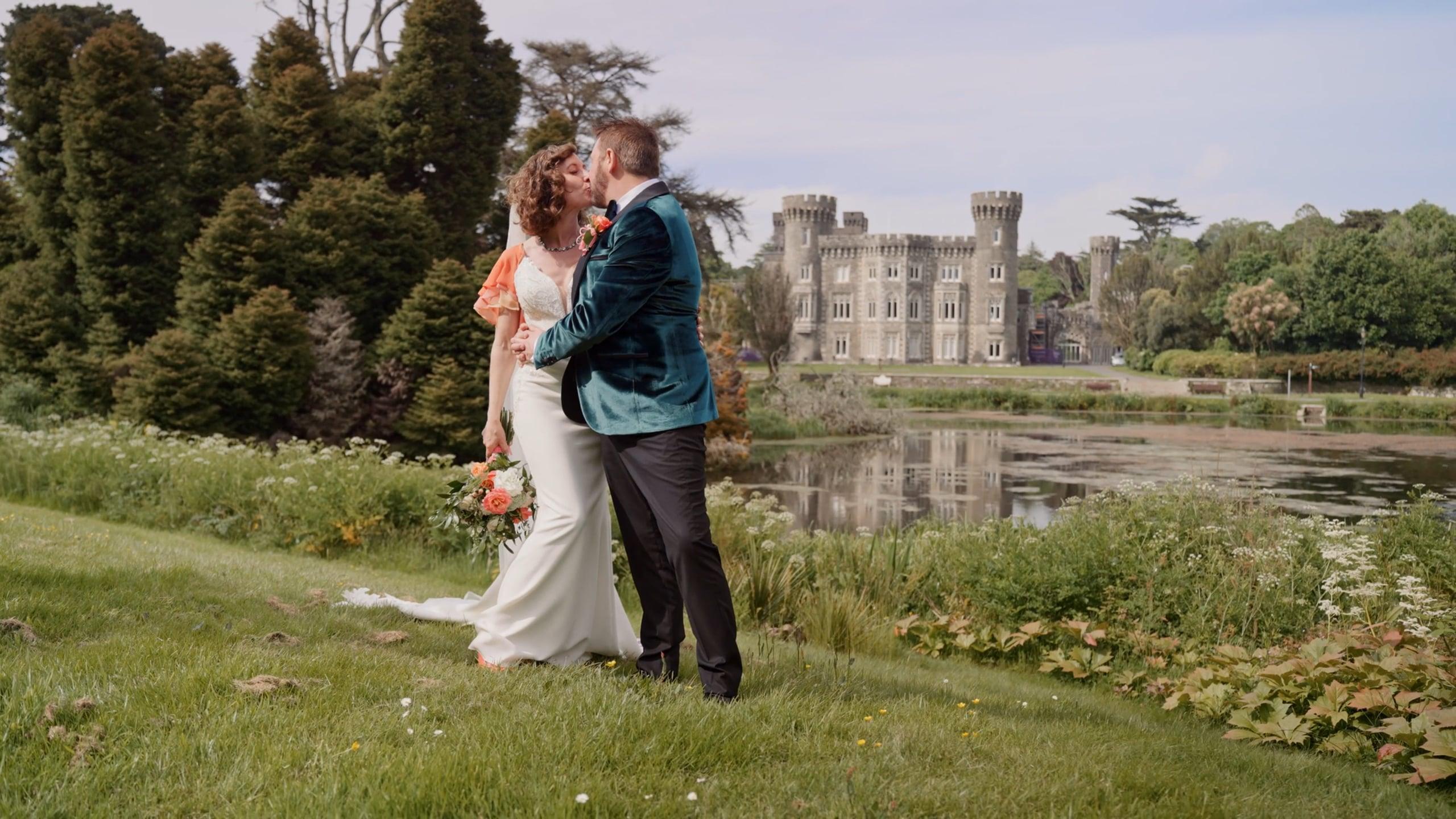
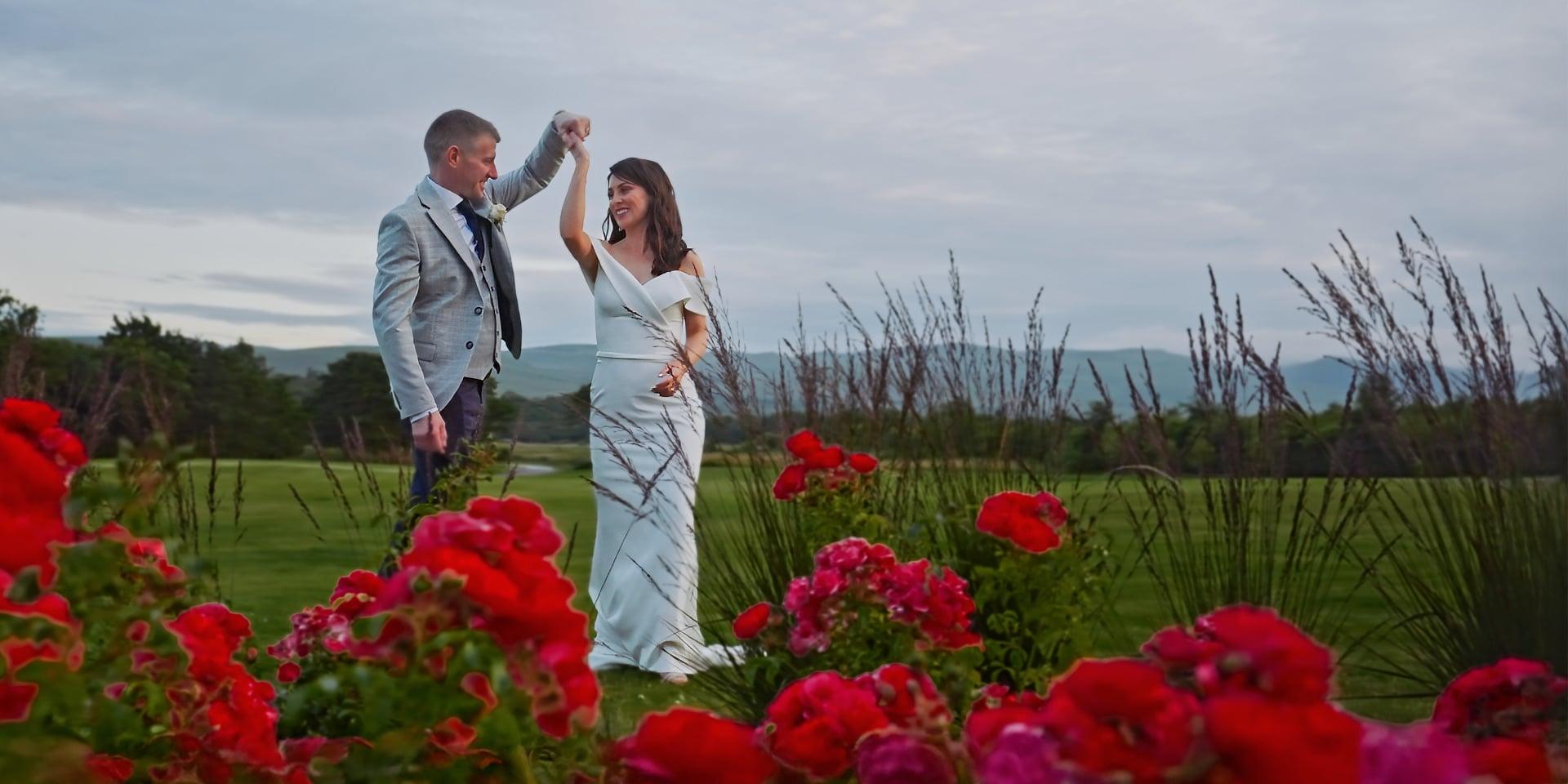
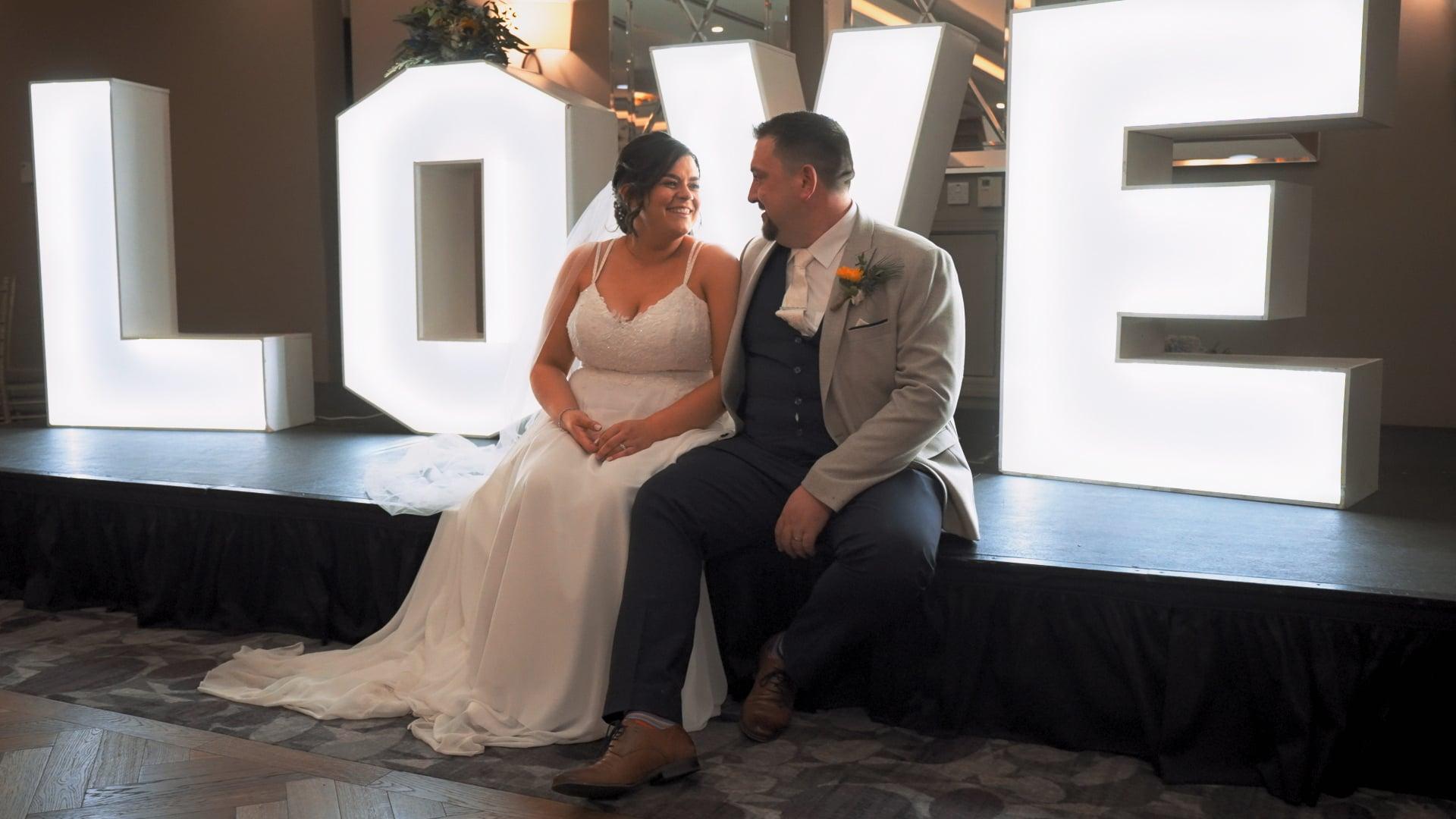
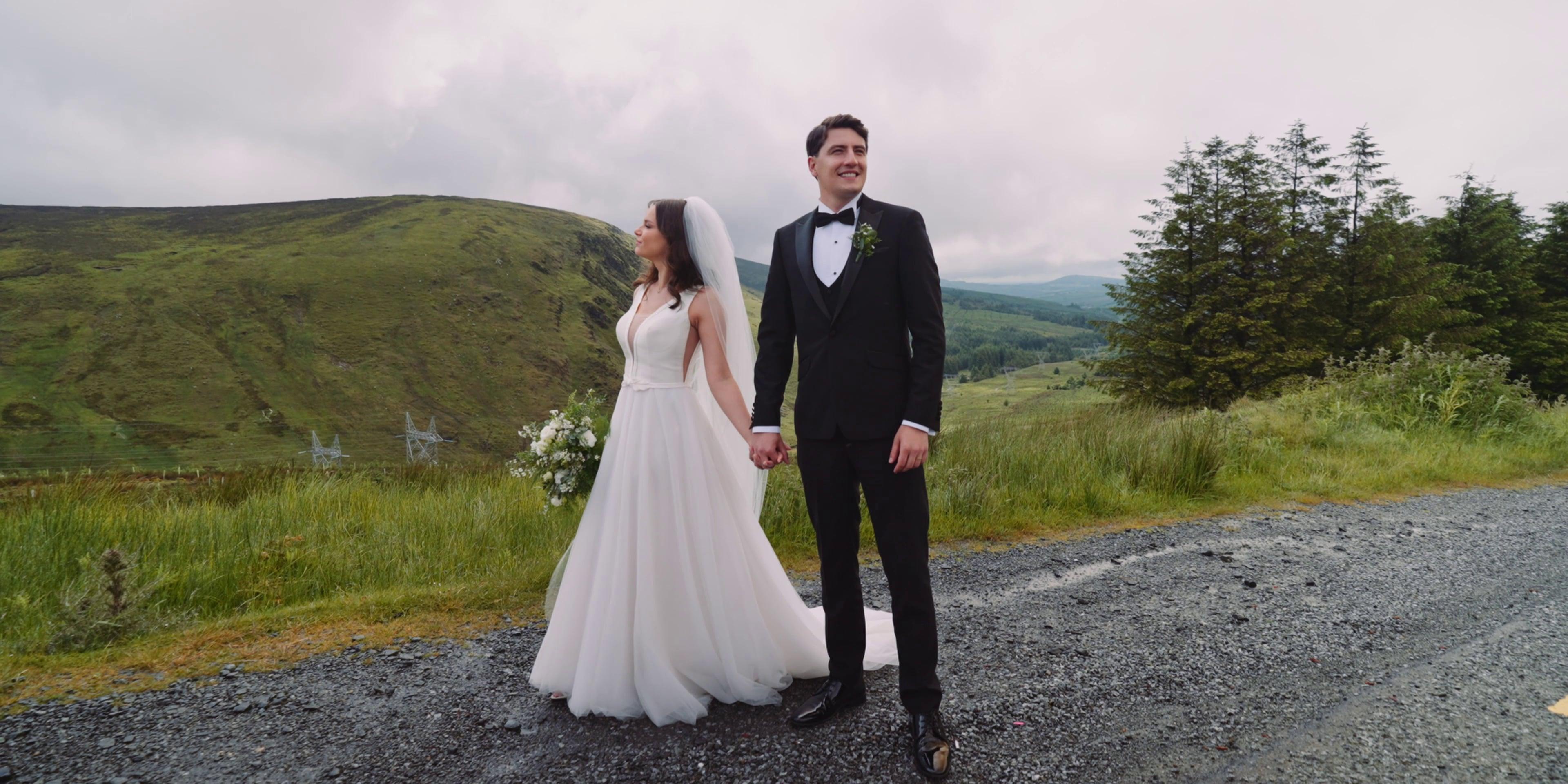
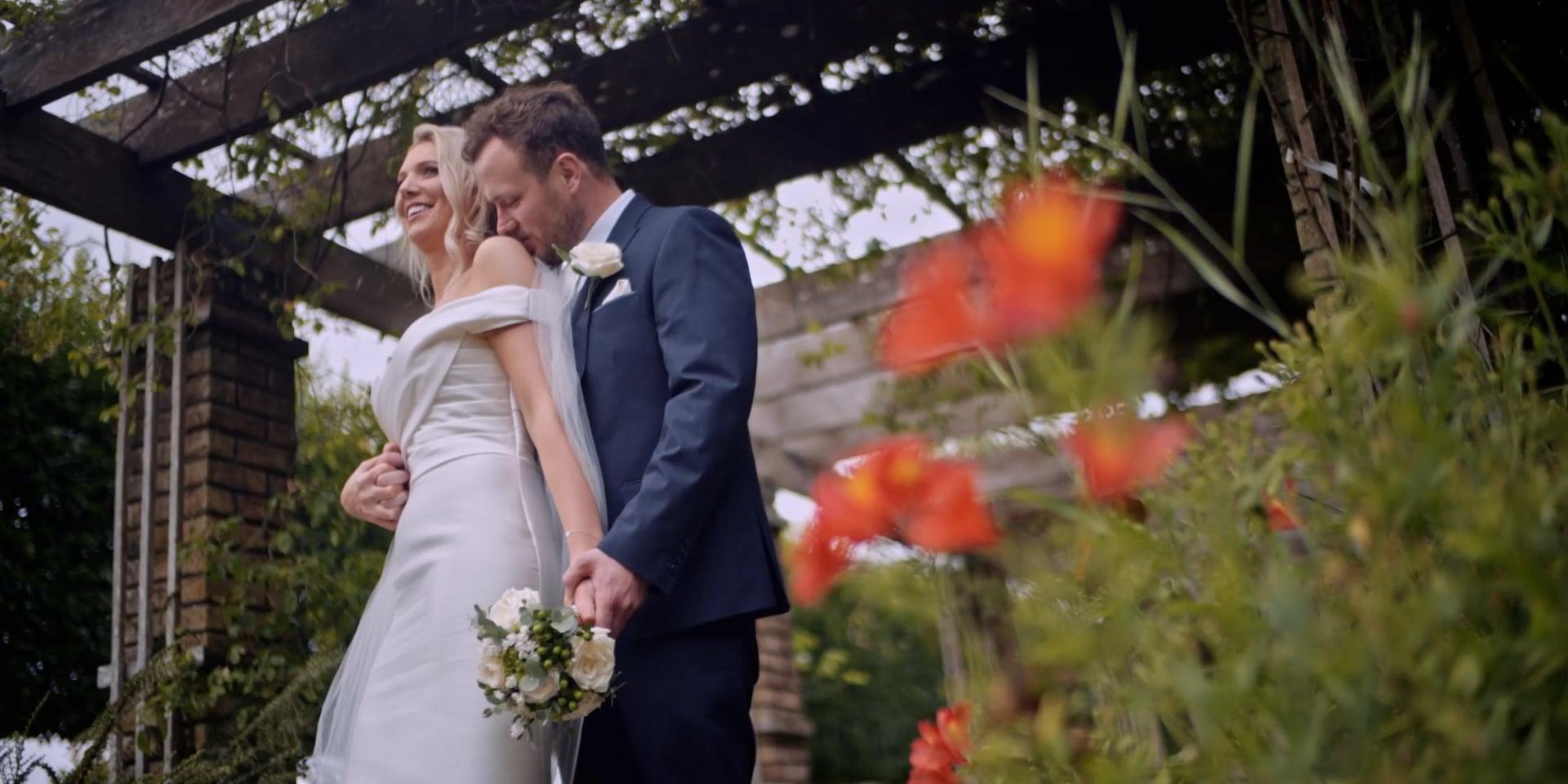
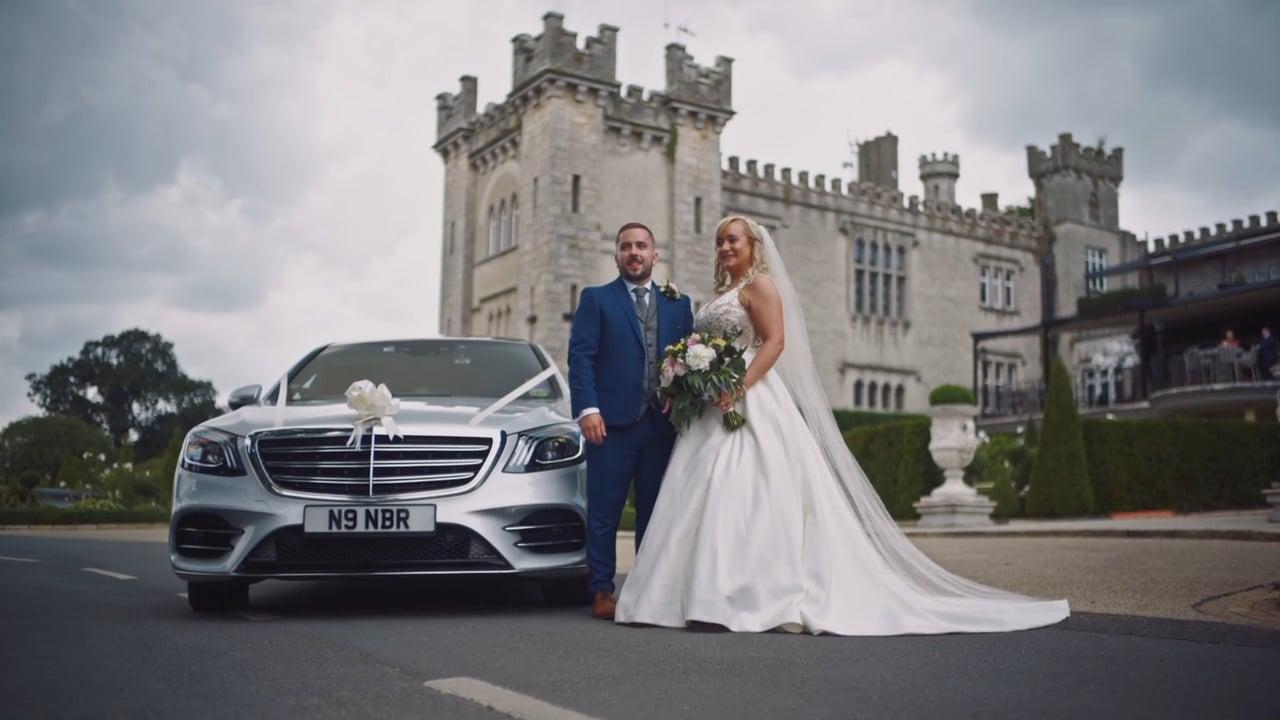
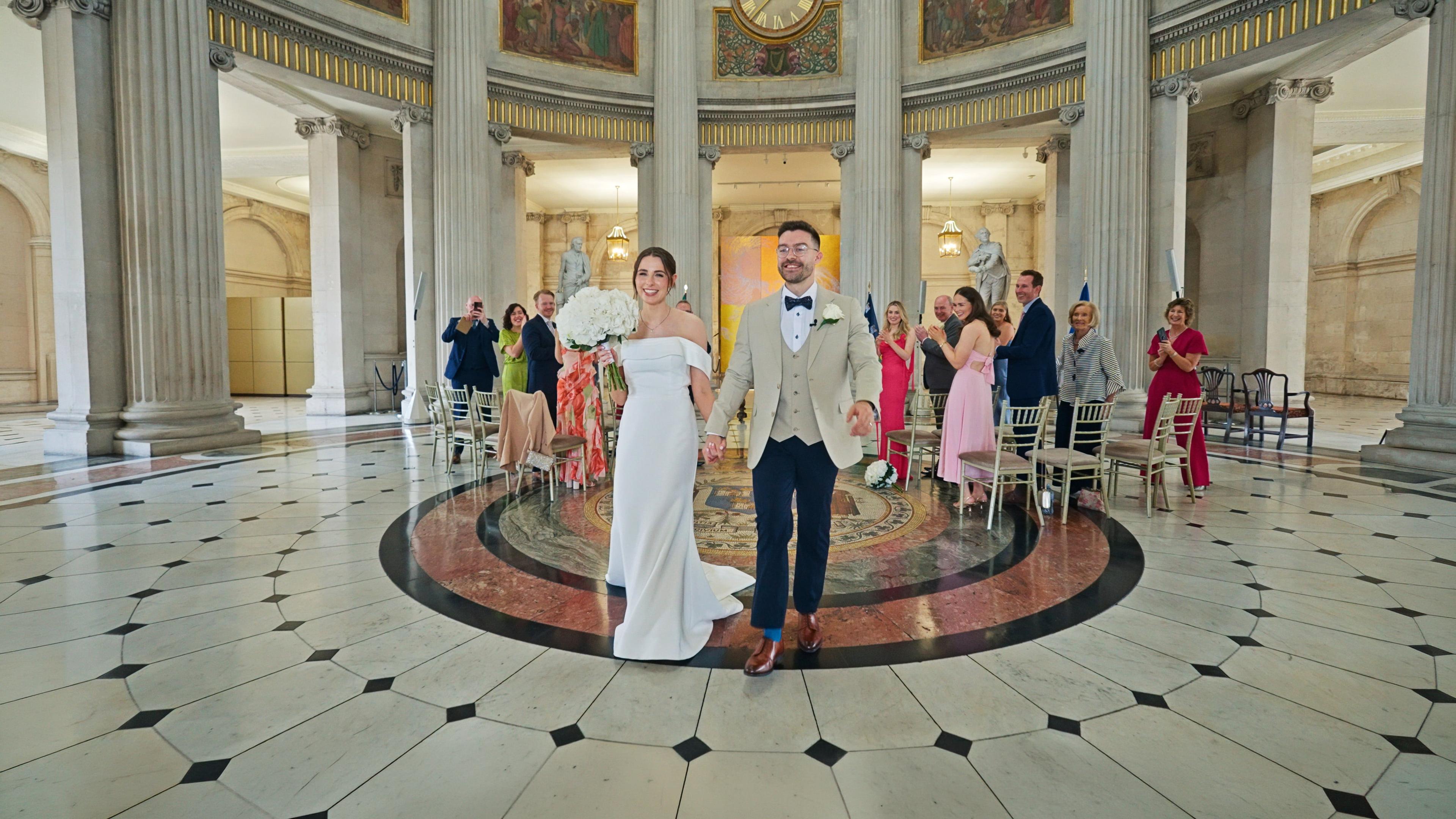
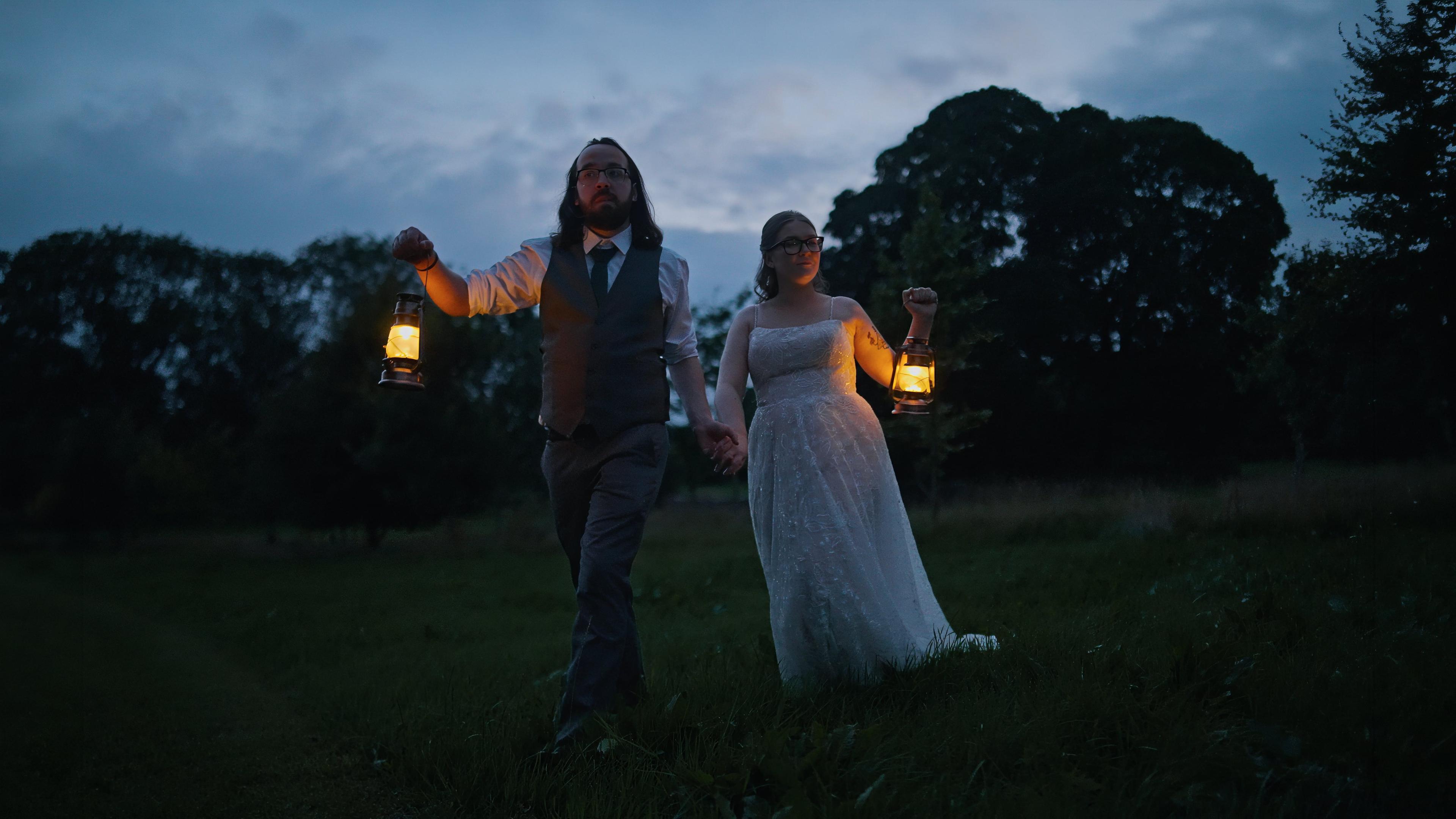
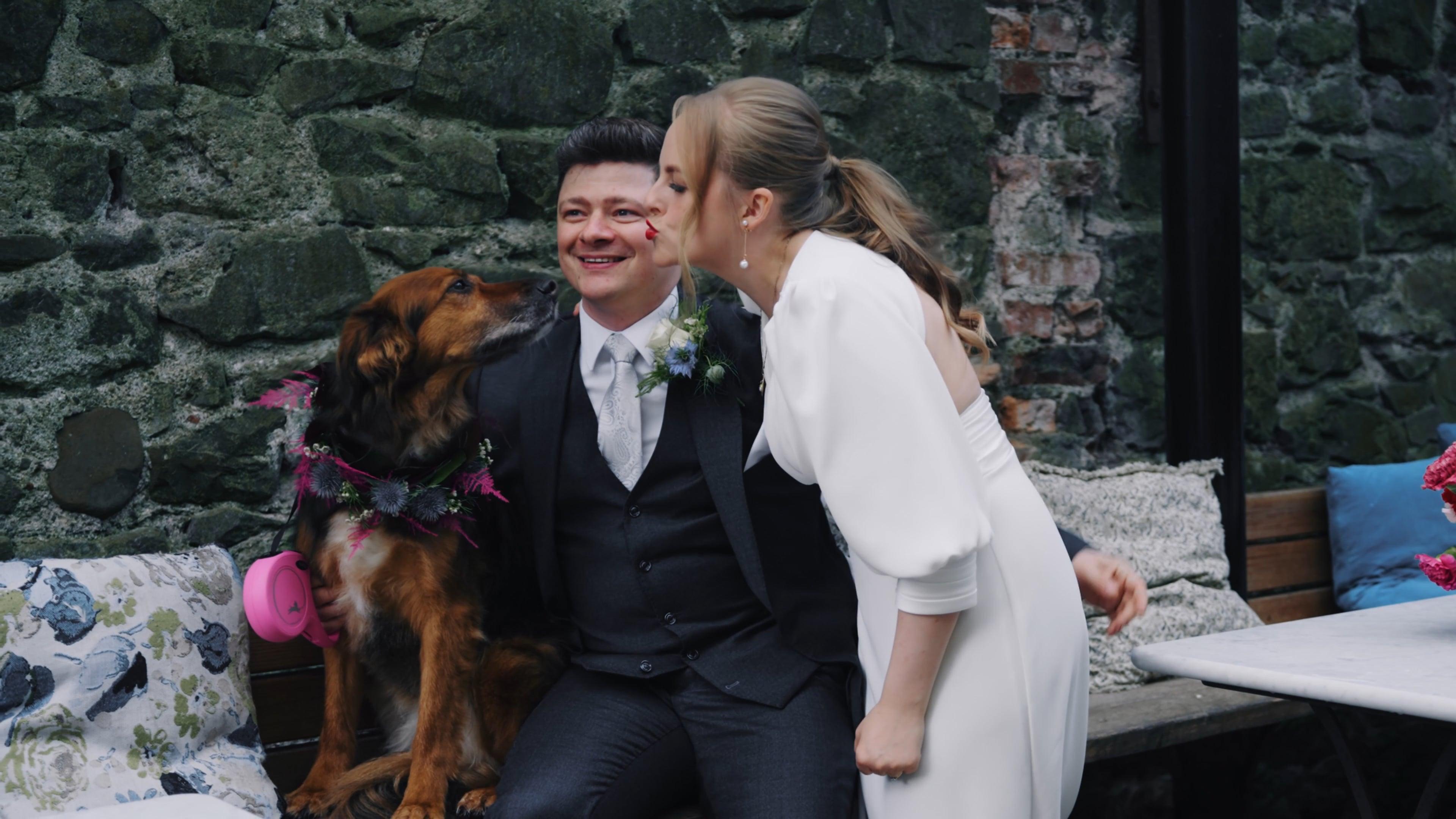
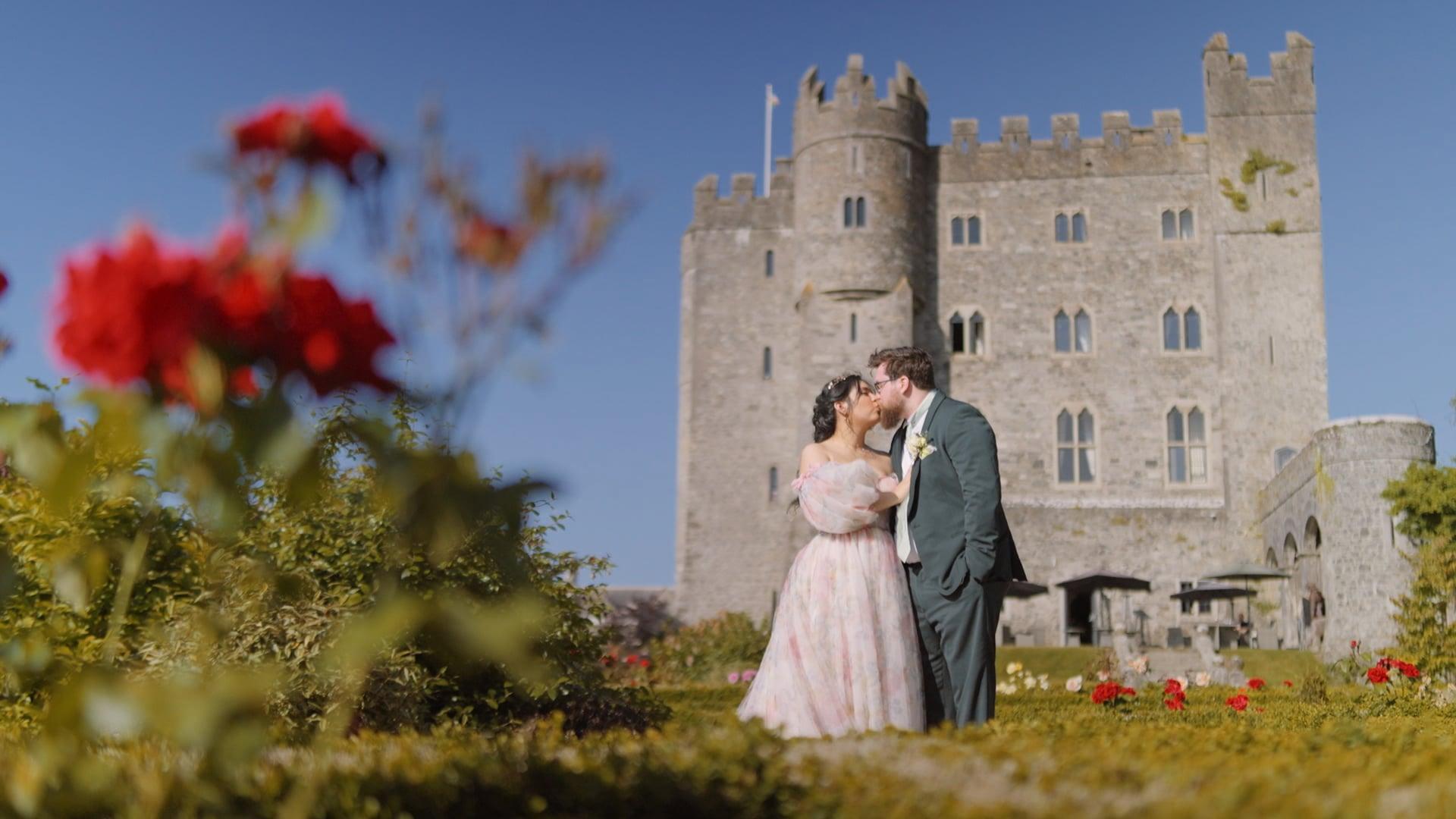
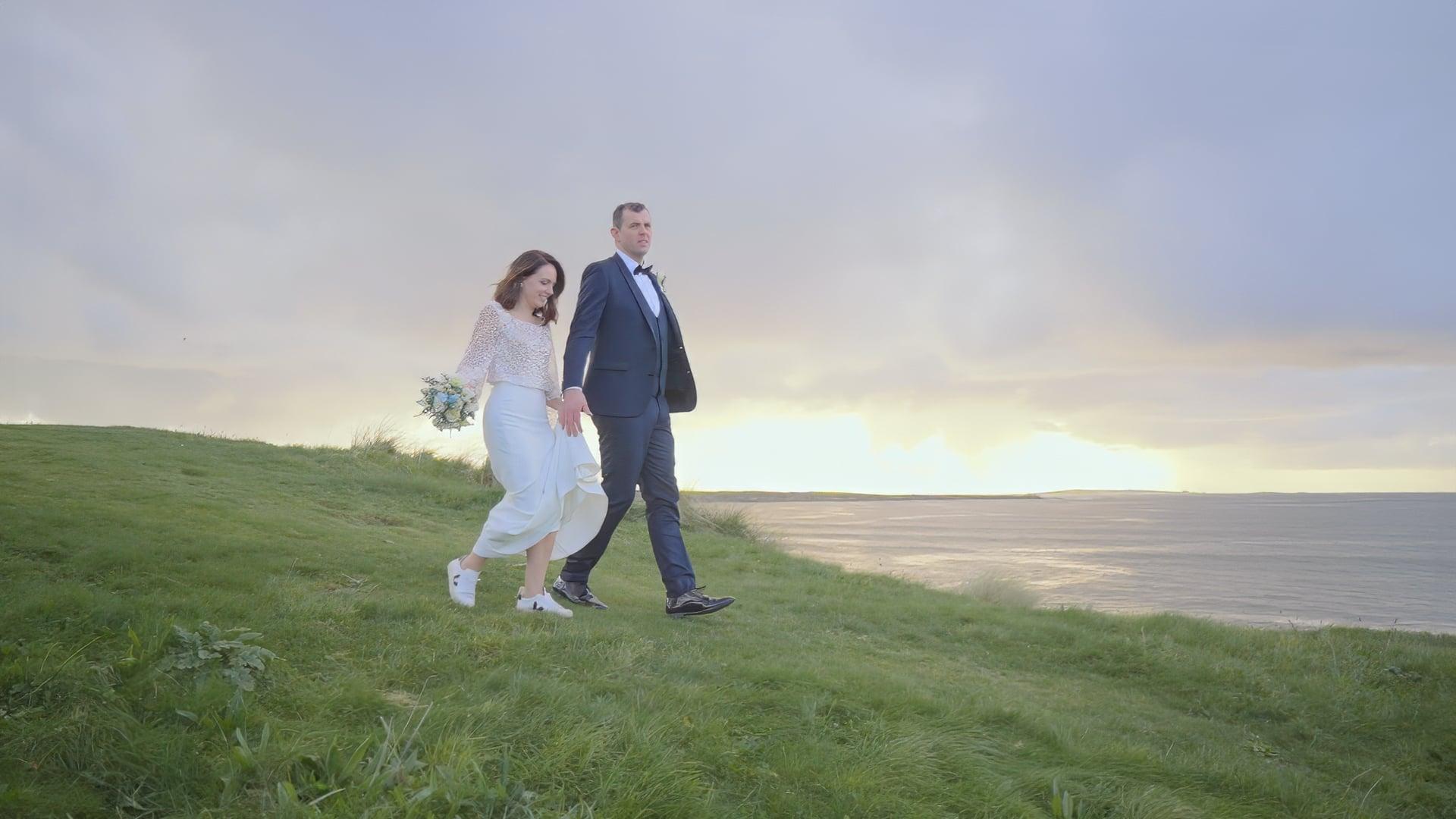
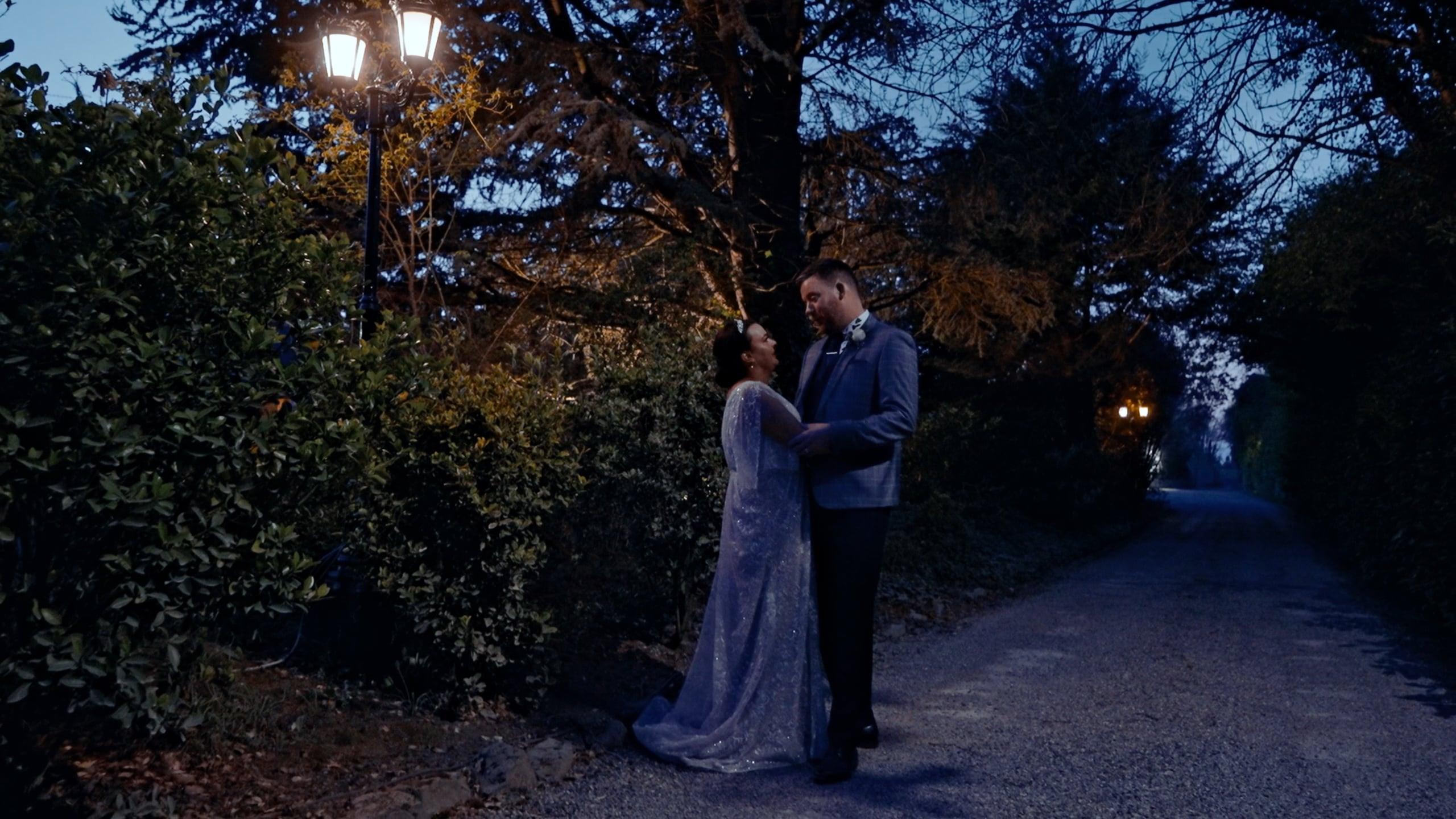
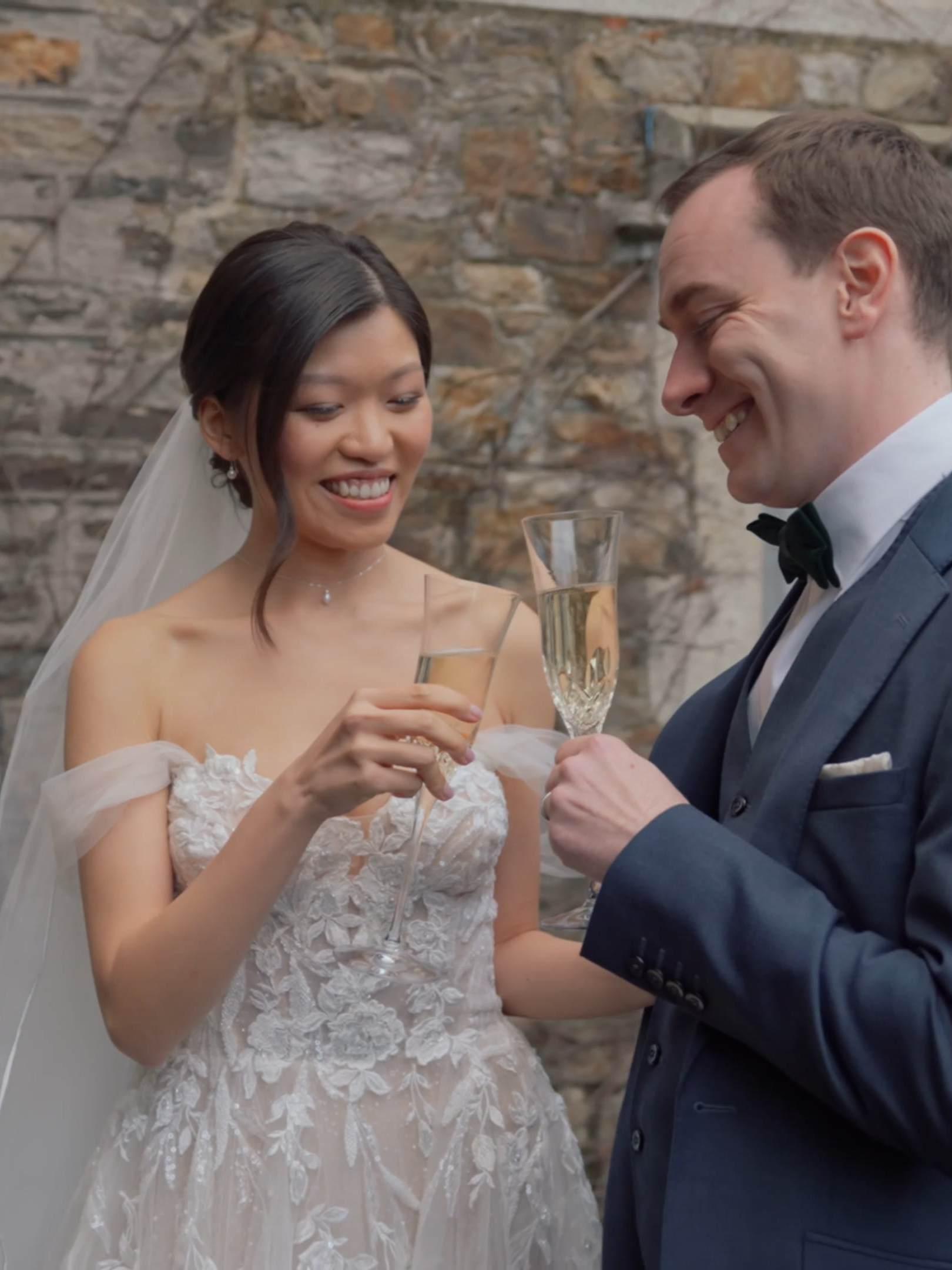
Meath wedding days run from exclusive country estates and castle grounds to village hotels, converted mills and houses beside the Boyne. The work below is ours from the county, with the real people, venue, images and film attached to every wedding.


Packages in Meath
An exclusive-use estate near Slane or Navan keeps the whole party on one property, which usually means the day runs late and nobody leaves. A village or town wedding puts guests within walking distance of a bed. A commuter-belt wedding near Dunboyne or Ashbourne keeps costs down but sends people back up the M3 at the end, and that exit is part of the schedule whether anyone writes it down or not.
Content creation, videography and photography can each be booked alone. If you choose two, the ceremony, the drinks reception, the portraits, the speeches and the band’s first set sit on one plan. On an estate with a strict supplier window, that single plan is also what stops two crews asking the coordinator the same question twice.
The packages page lists the current combinations, prices and inclusions. Start there, then send us the Meath venue, date and every address already fixed in the day.
See packages and pricesKind words, kept honest
Once the party started he blended in so well that we all forgot about the camera—he really captured a lot of happy candid moments that we will treasure in years to come.
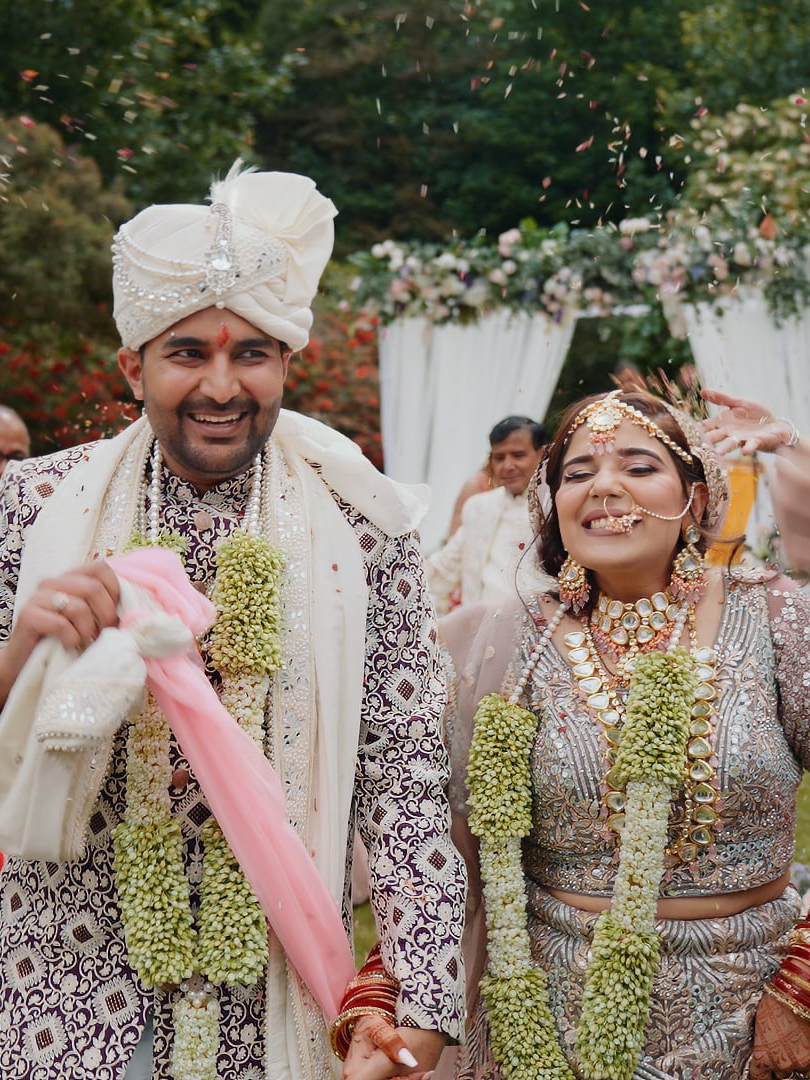
Arthur, you are an absolute genius! Our wedding film is nothing short of a masterpiece.
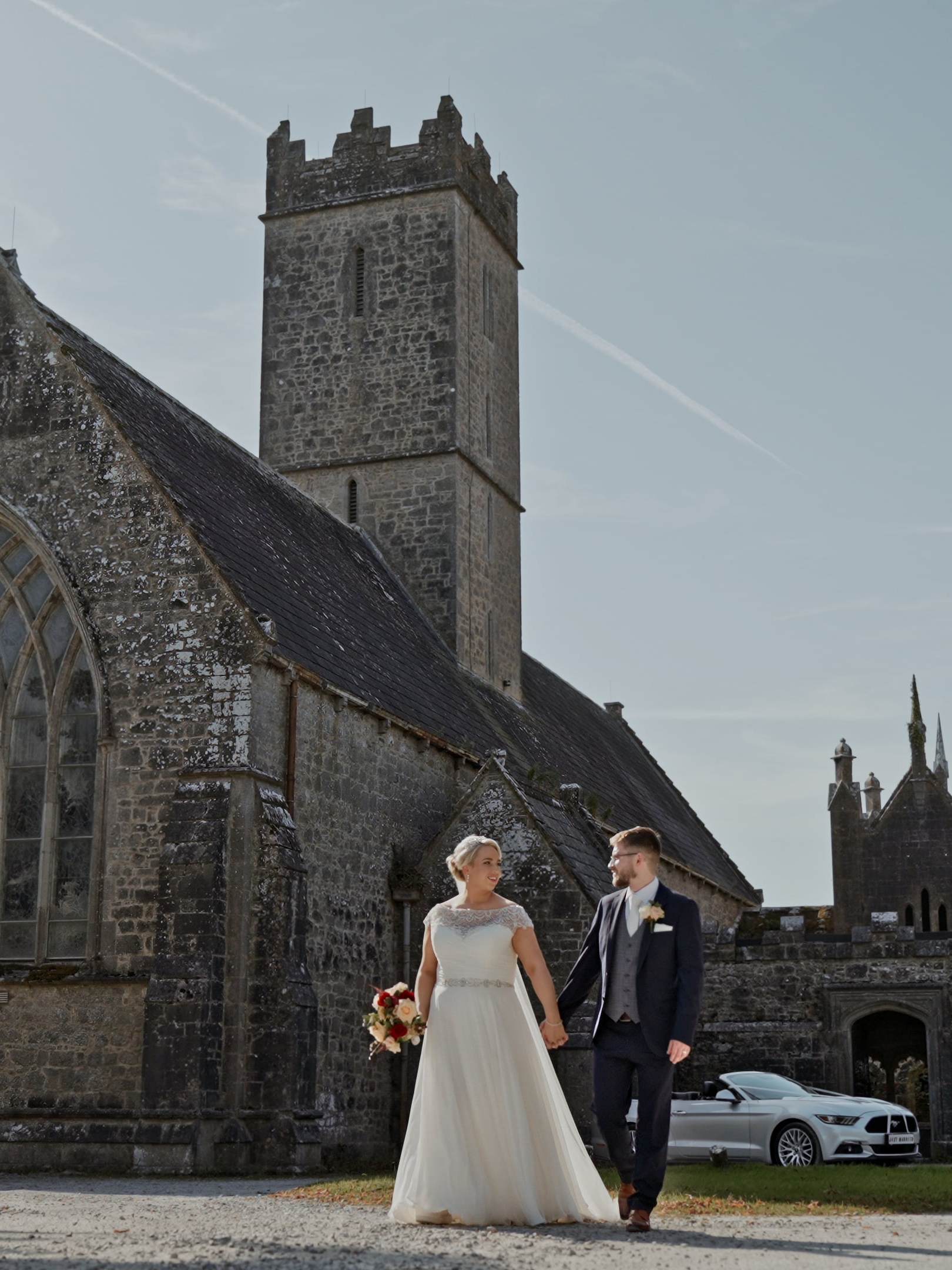
The footage he captured was nothing short of breathtaking. The editing was seamless, and he perfectly captured all the special moments that made our day unique.
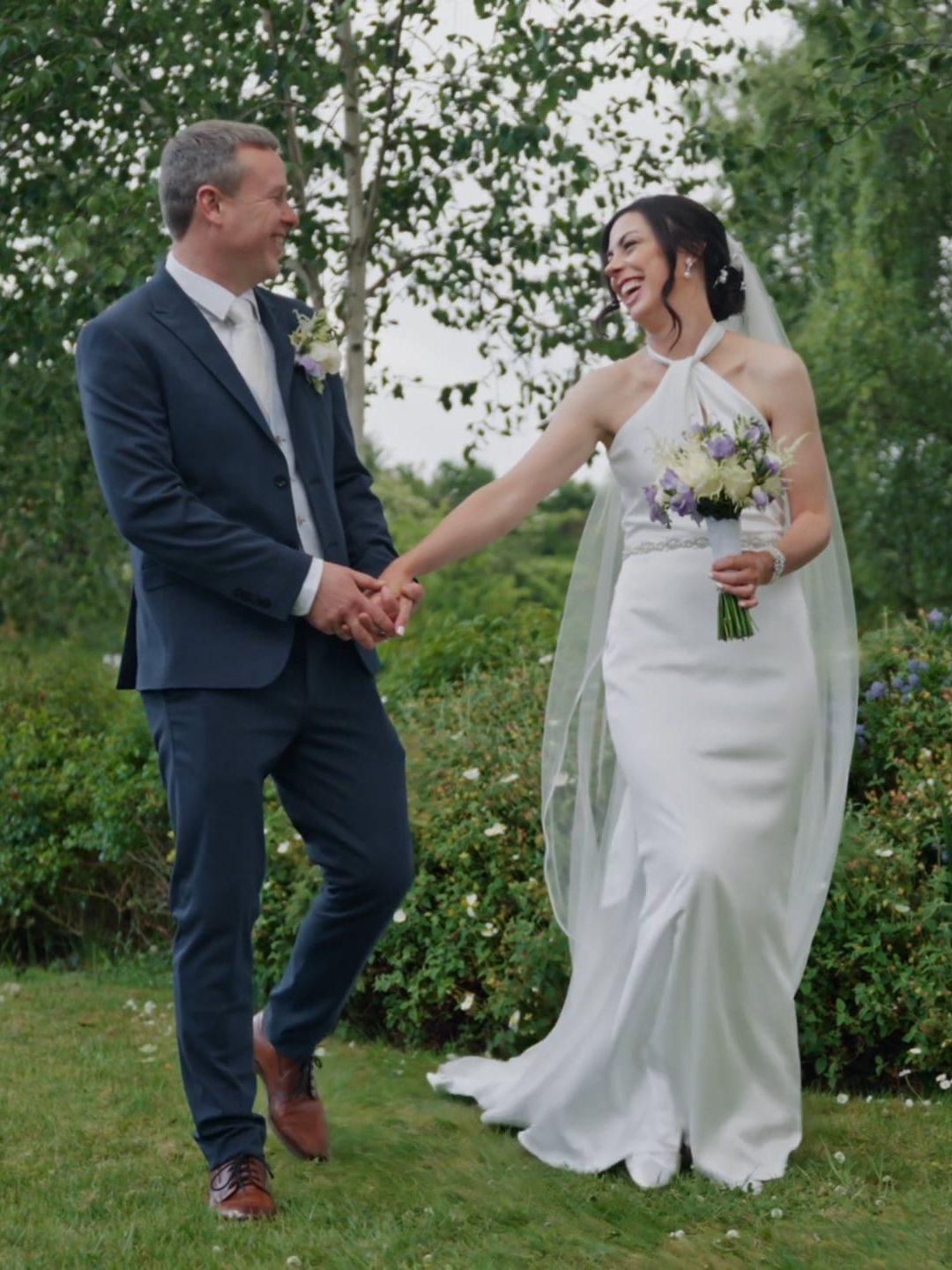
You would hardly know he was there. He captured the most beautiful moments of our day.
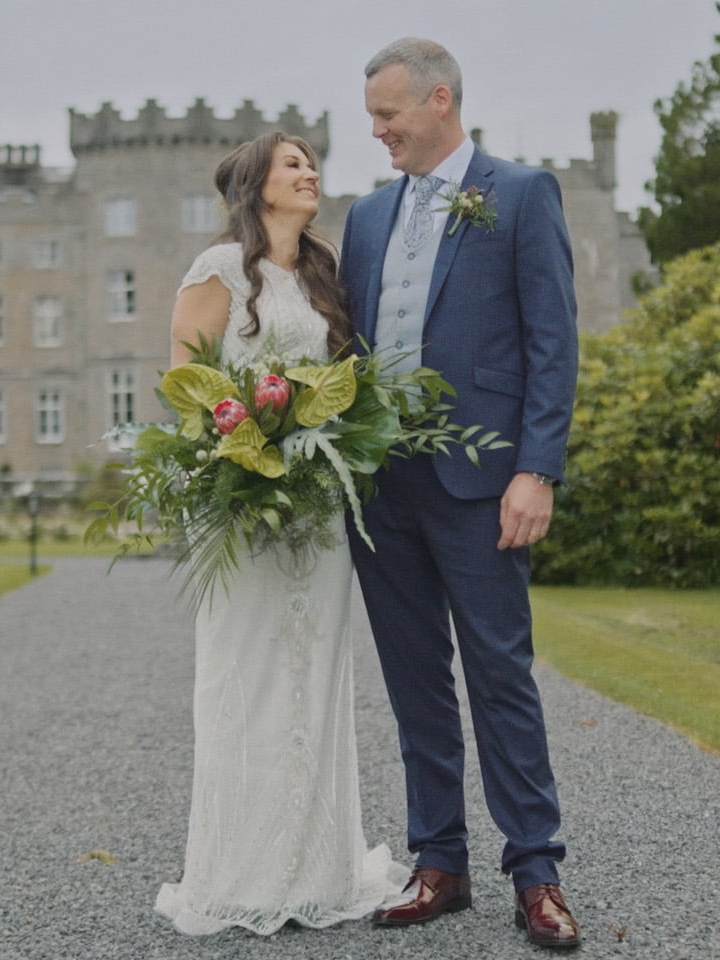
We literally would not have known he was there all day because he was so unobtrusive and discreet yet still managed to capture all the important details.
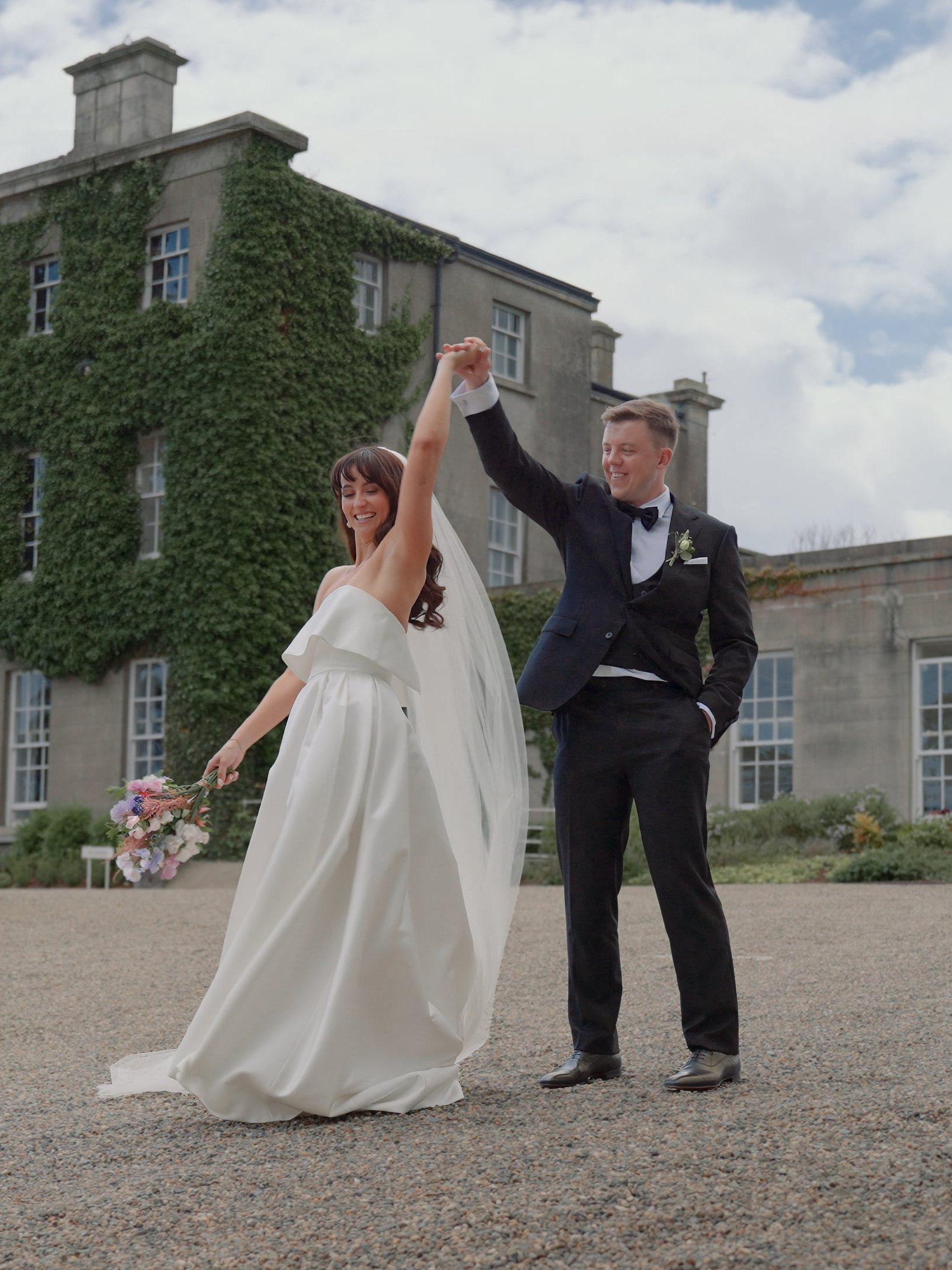
It captured exactly what that day was. The smiles and the laughter the dancing. Everything.
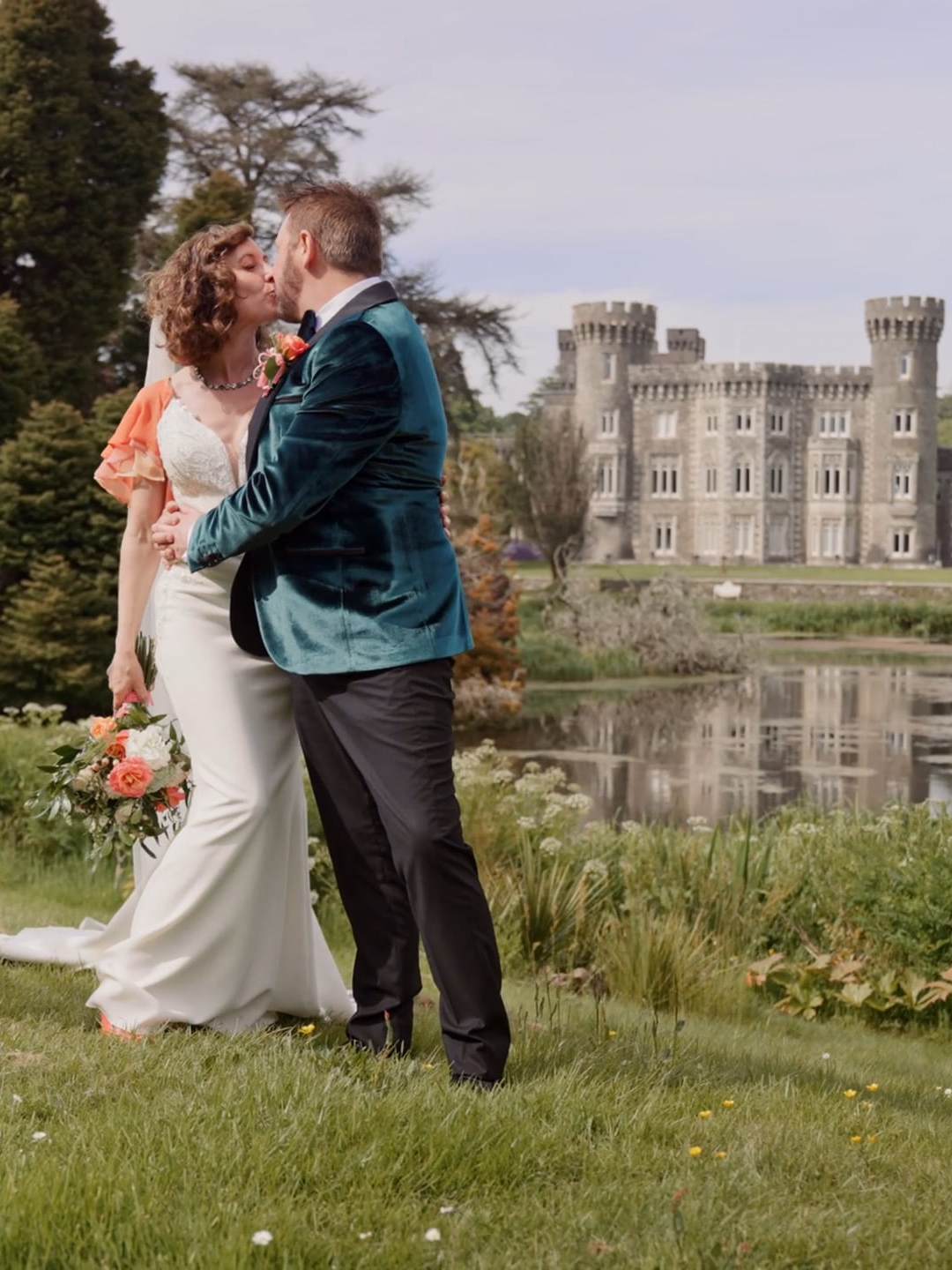
He is creative and just gets it. Our guests loved him!
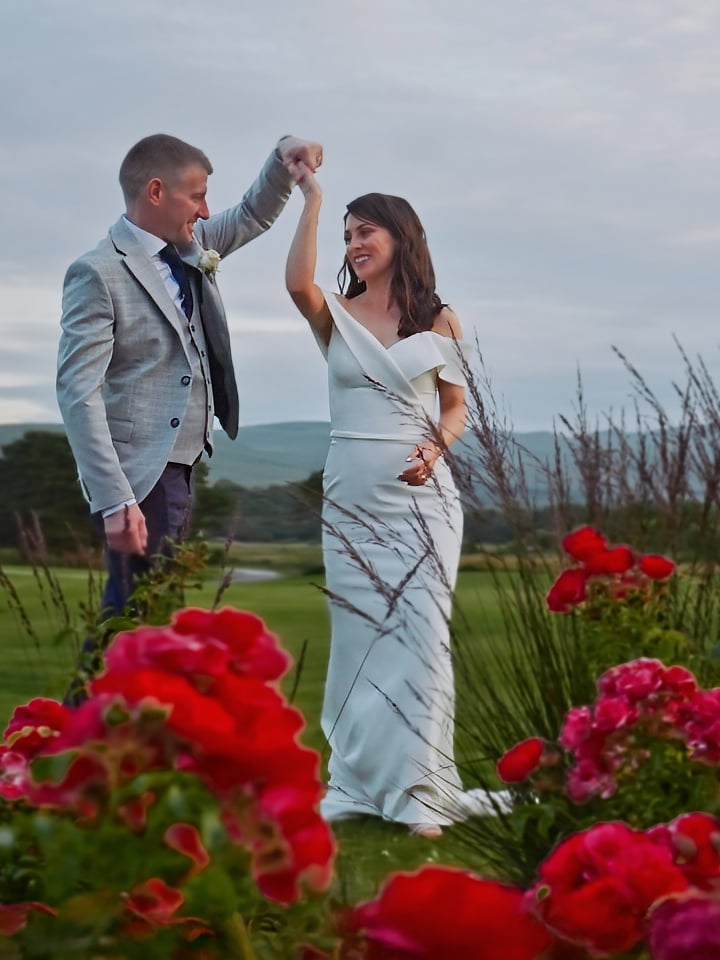
I knew from the joy on his face all day that he had captured every special moment, he did that and more, while we hardly even knew he was there.
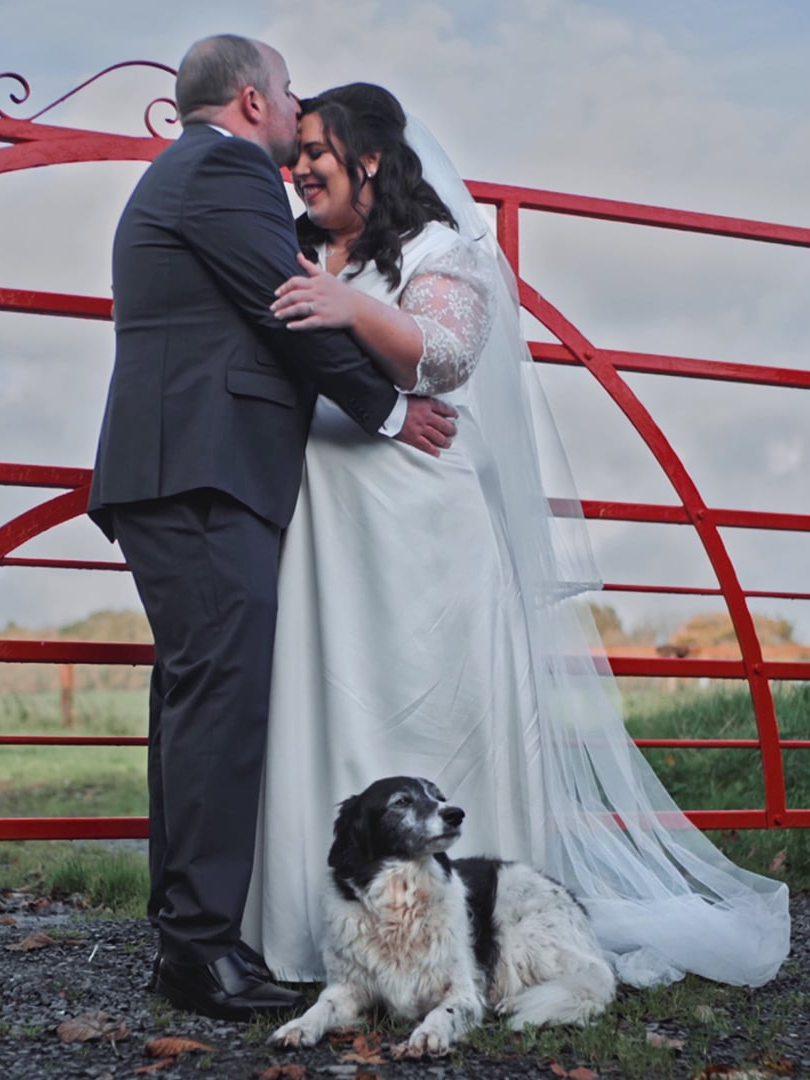
This man can only be truly described as an artist who loves his craft and painstakingly goes the extra mile to capture every moment.
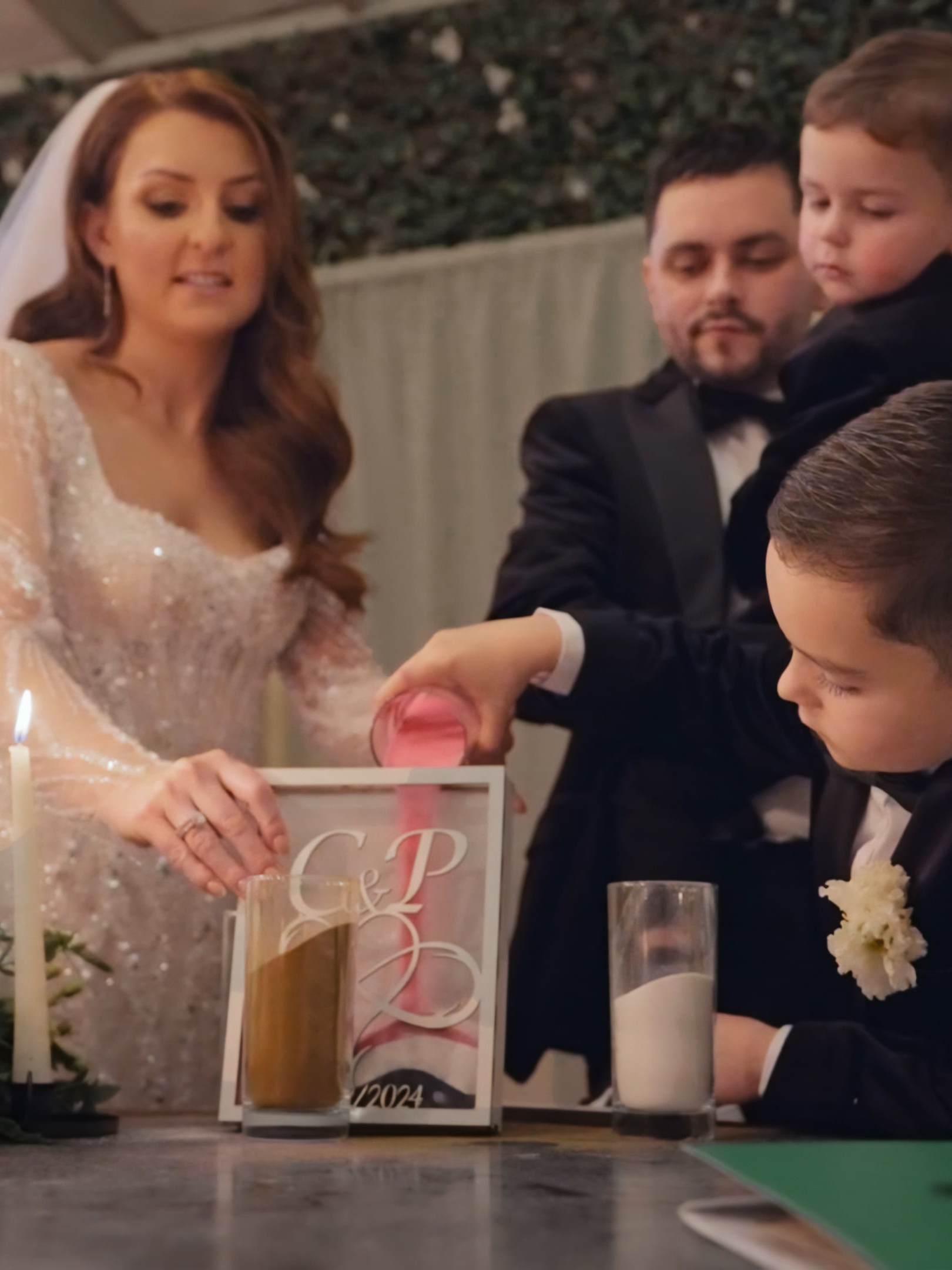
His attention to detail, creativity, and professionalism didn't go unnoticed. We feel incredibly lucky to have had him as part of our special day.
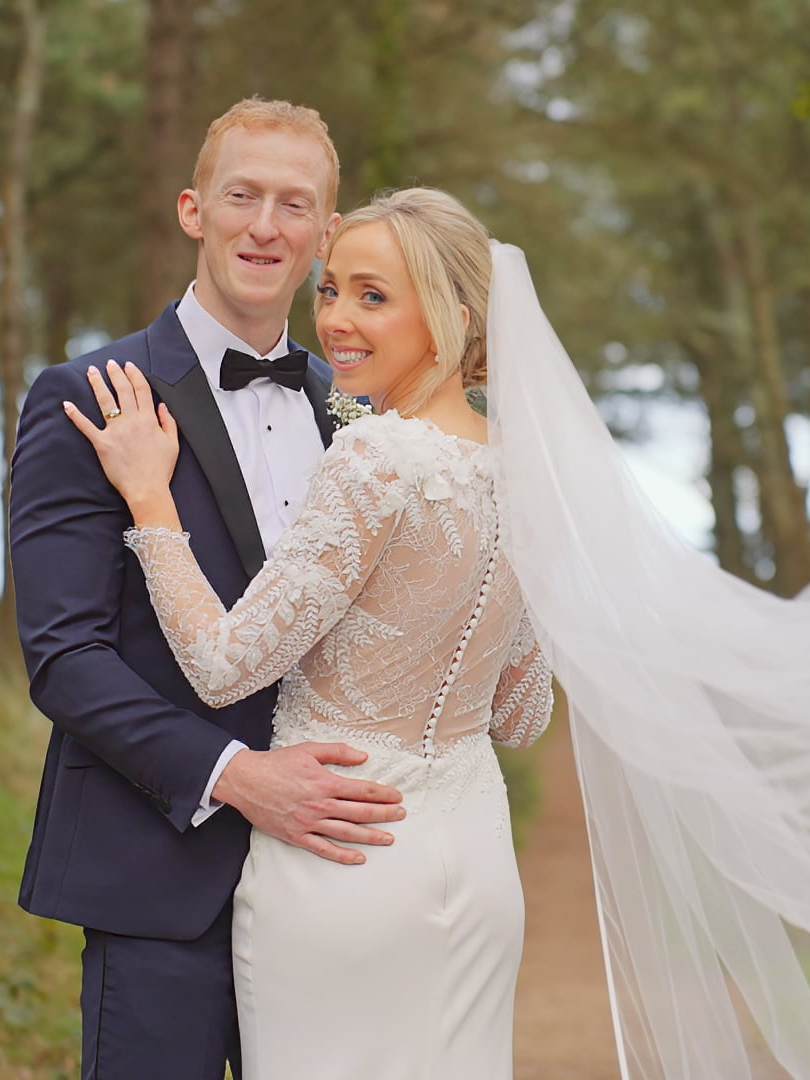
From start to finish Arthur was very professional in everything he did and the quality of his work was excellent.
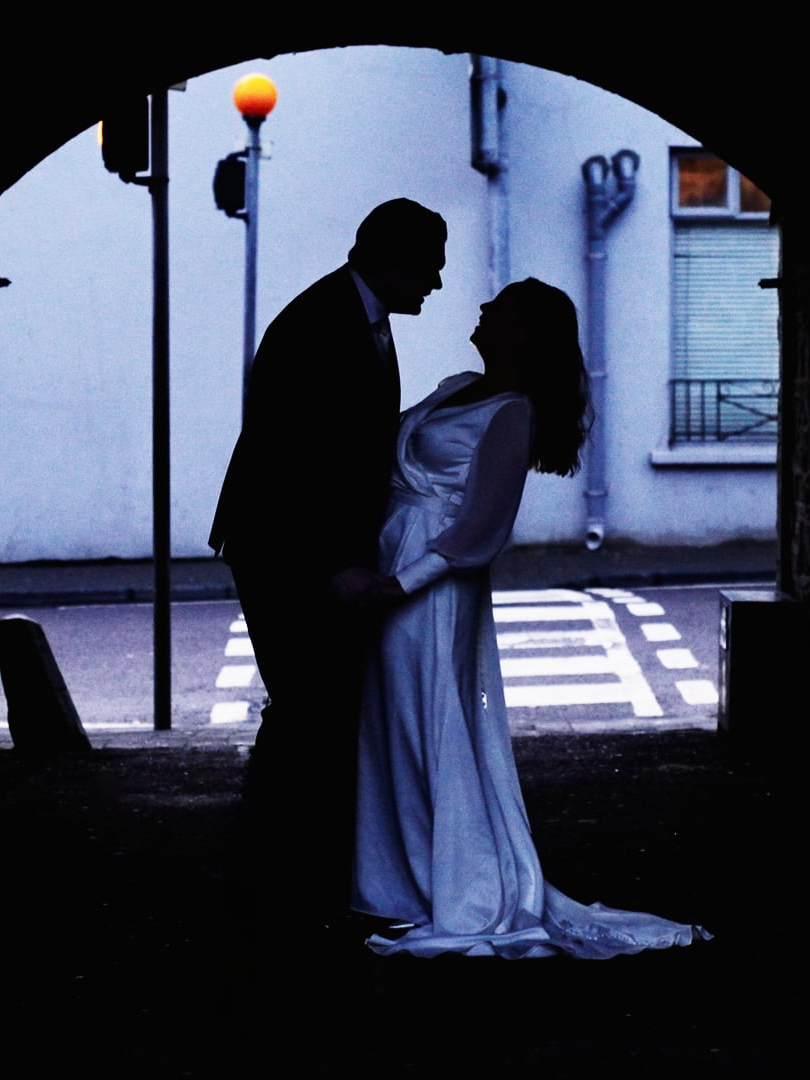
Beautiful candid moments of our daughter, nieces, nephews, friends and family were caught so well.
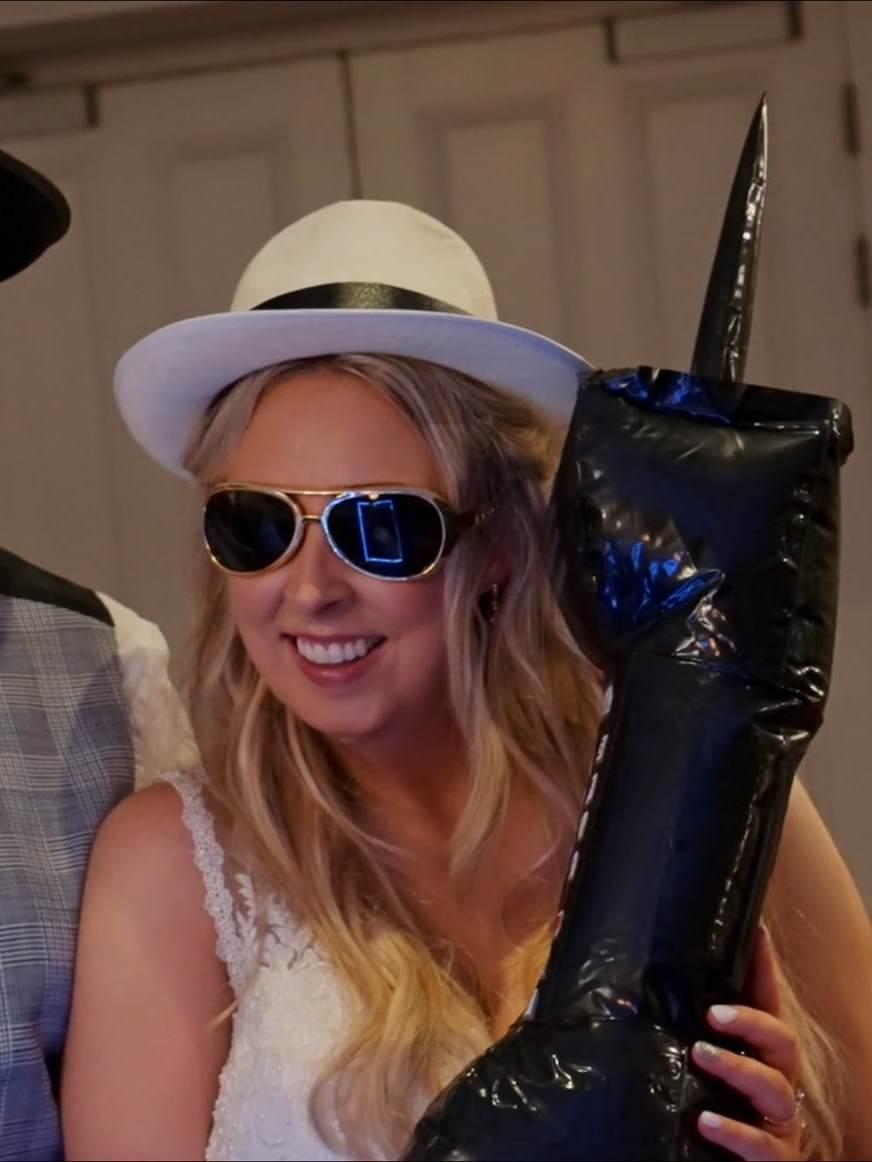
Such a gentleman and so discreet, you don't feel like anyone is watching you.
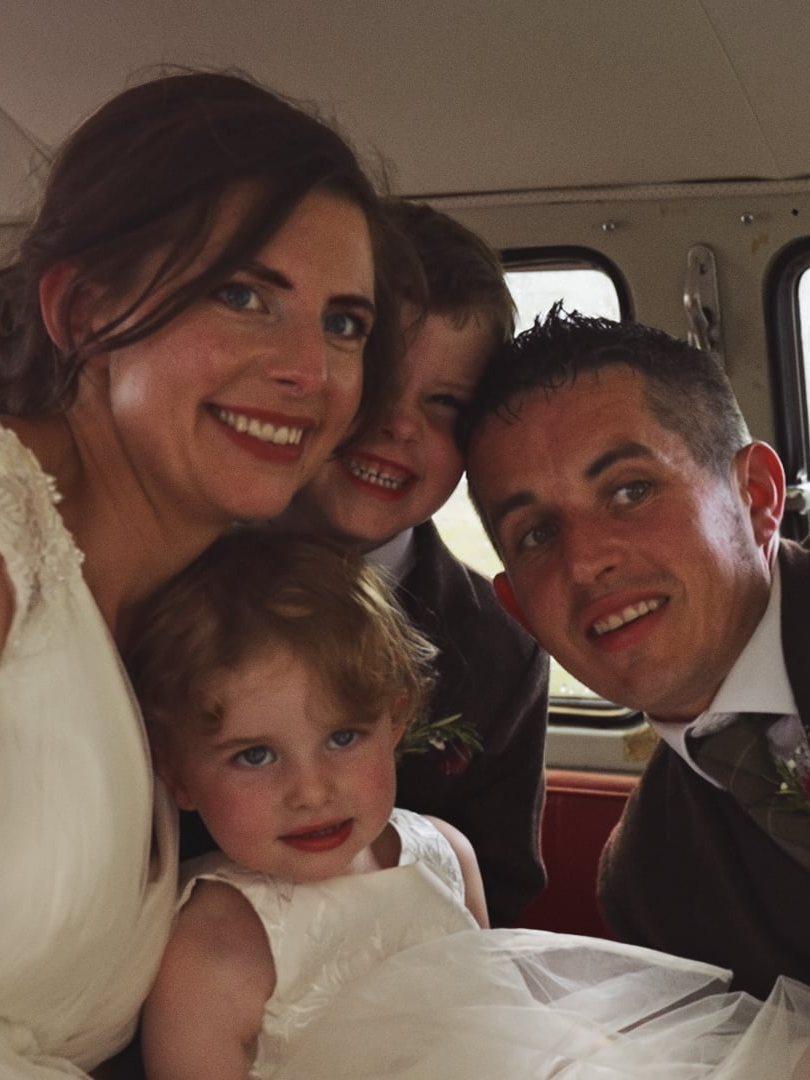
A gentleman to have around, put everyone at ease and a total professional.
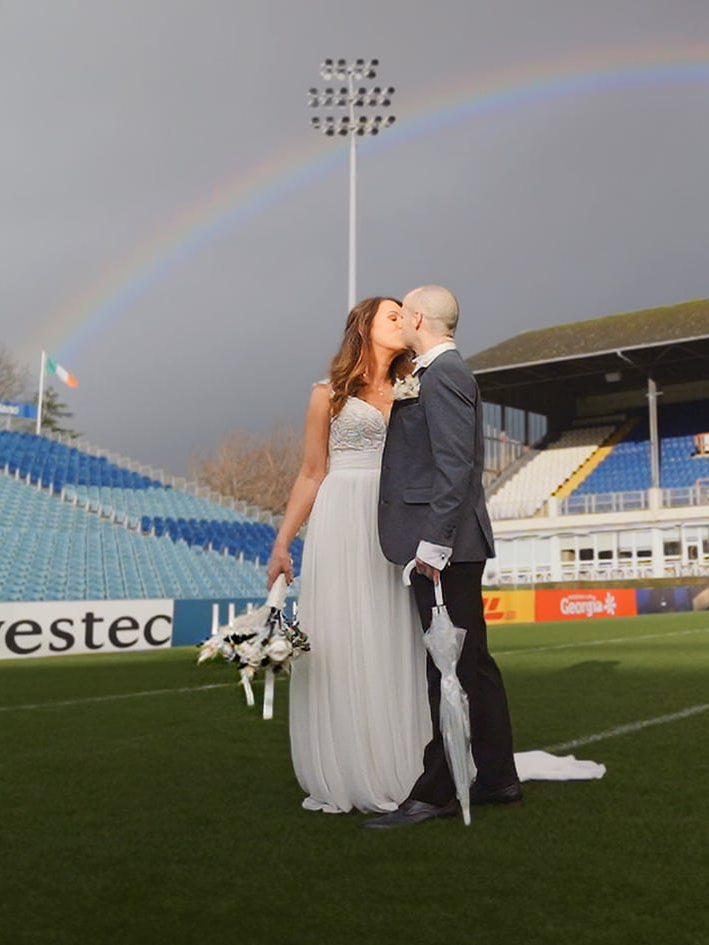
One of the good things about him was that we didn't even know he was there. He just did his job expertly.
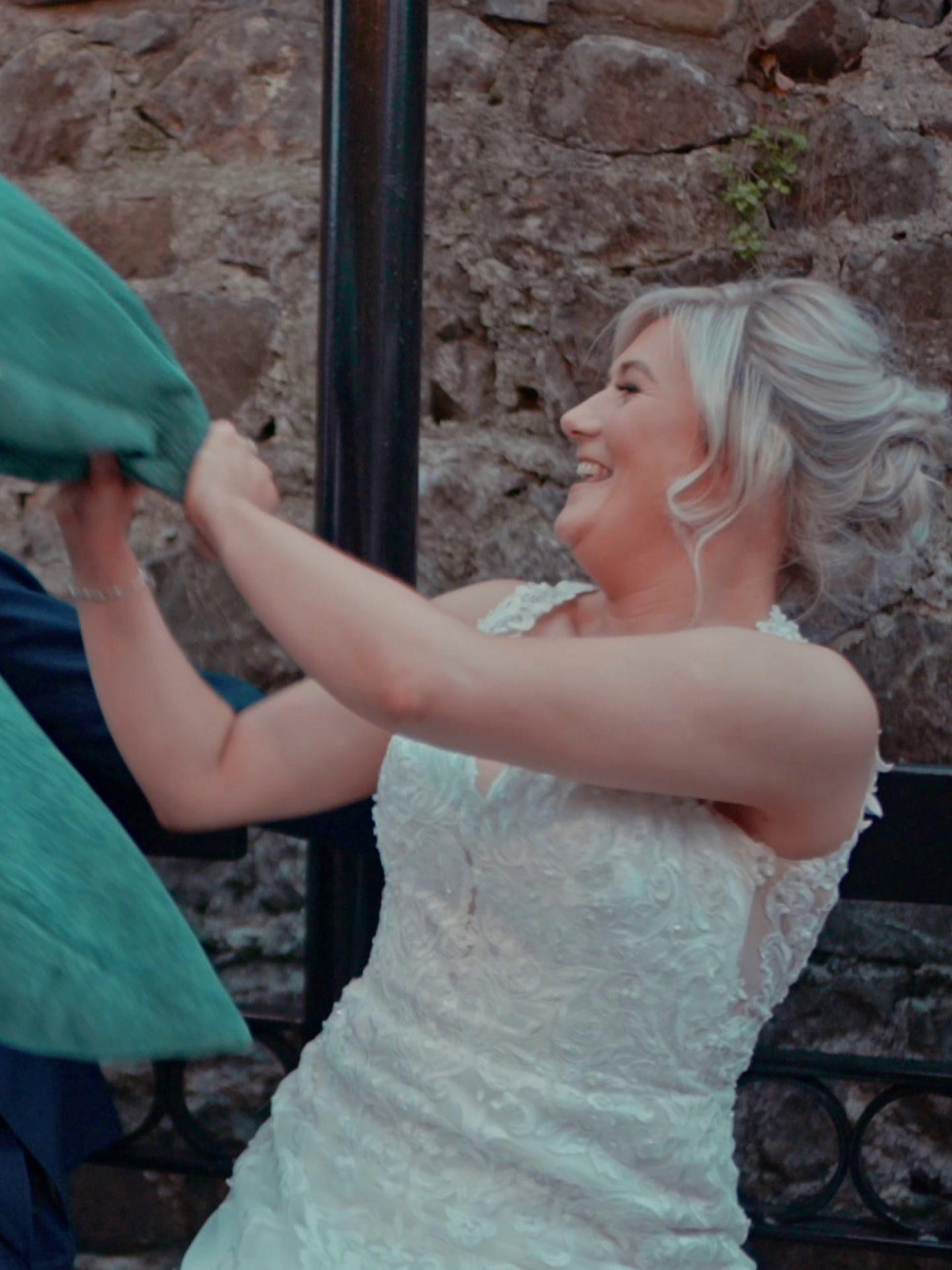
His work was excellent. All of my family, bridal party etc had nothing but good things to say about him and his work.
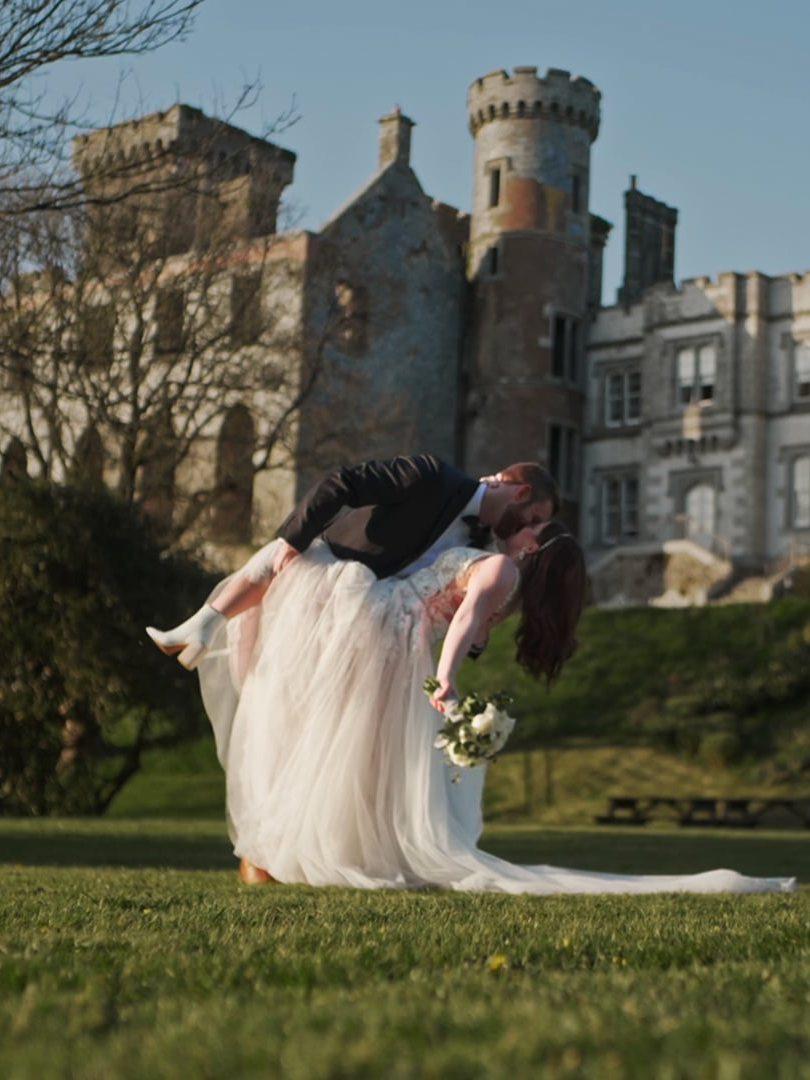
He went above and beyond to ensure we were 100% happy with our final product(s).
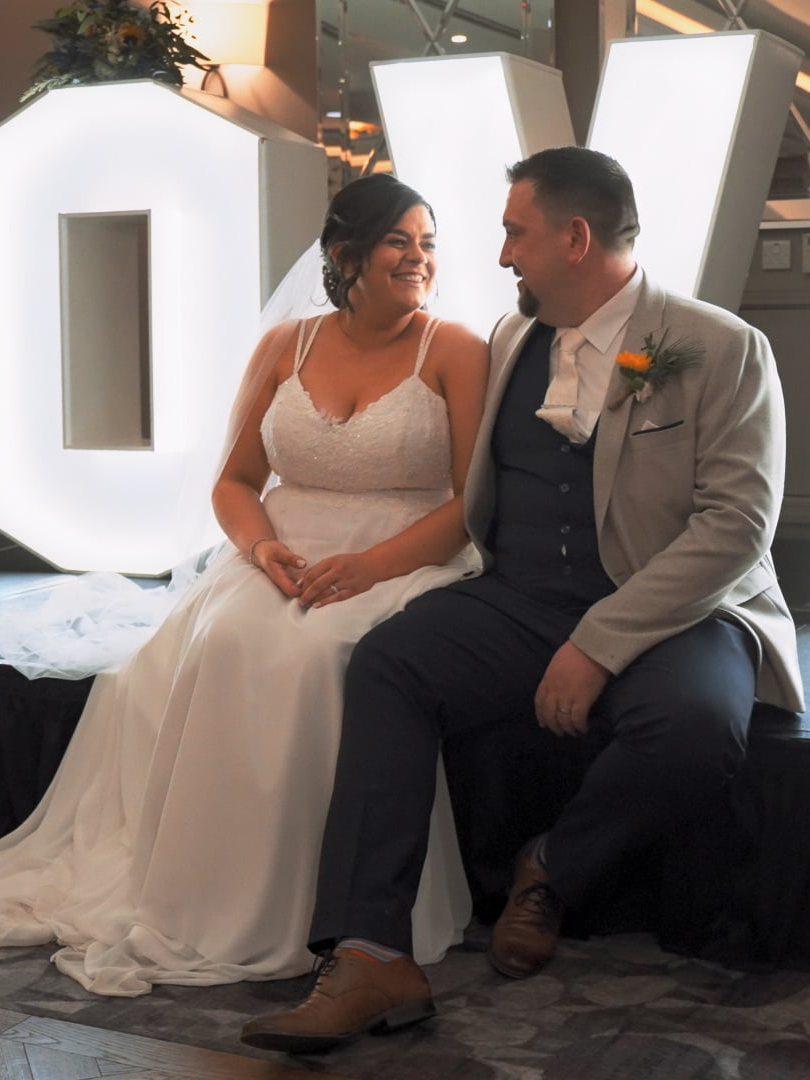
He captured the day perfectly and I'm so glad we'll always have this to remember our day.
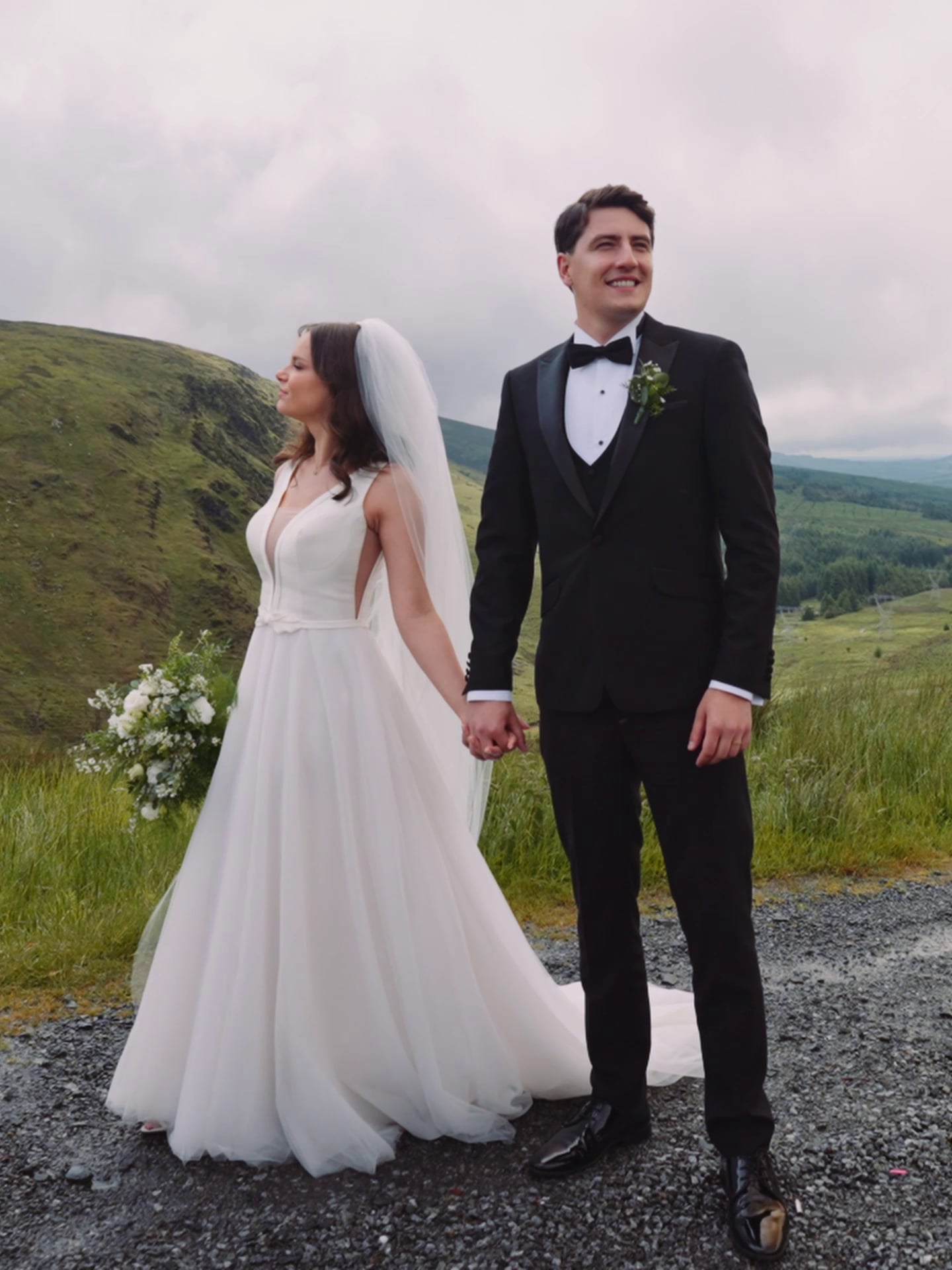
He made our video to reflect the exact emotions that we and our guests experienced on the day.
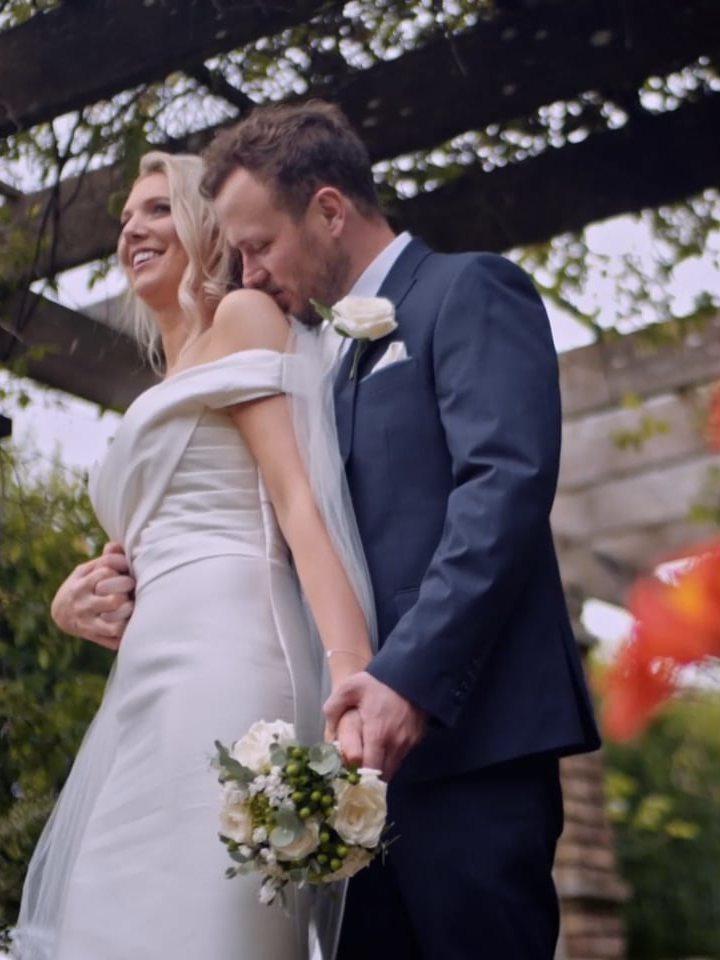
Arthur was so discrete, you would hardly have known he was there at all, but somehow he managed to capture such beautiful images and special moments.
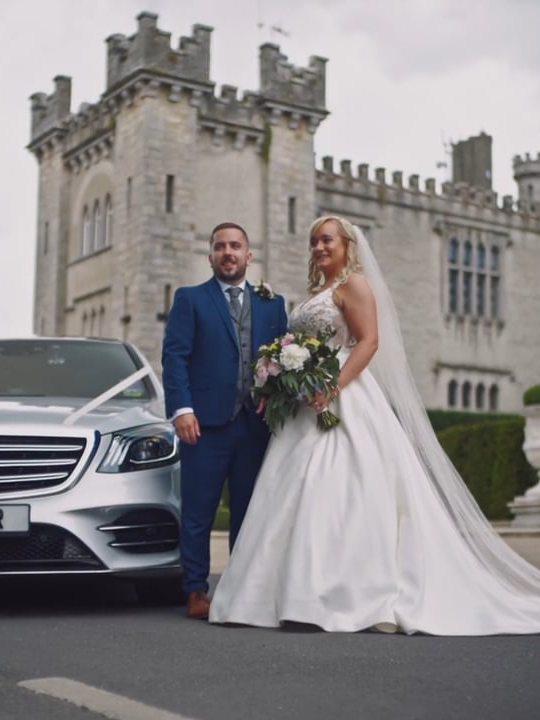
We got our highlights video quickly, and so many people commented saying how beautiful it was, capturing all the special moments of the day.
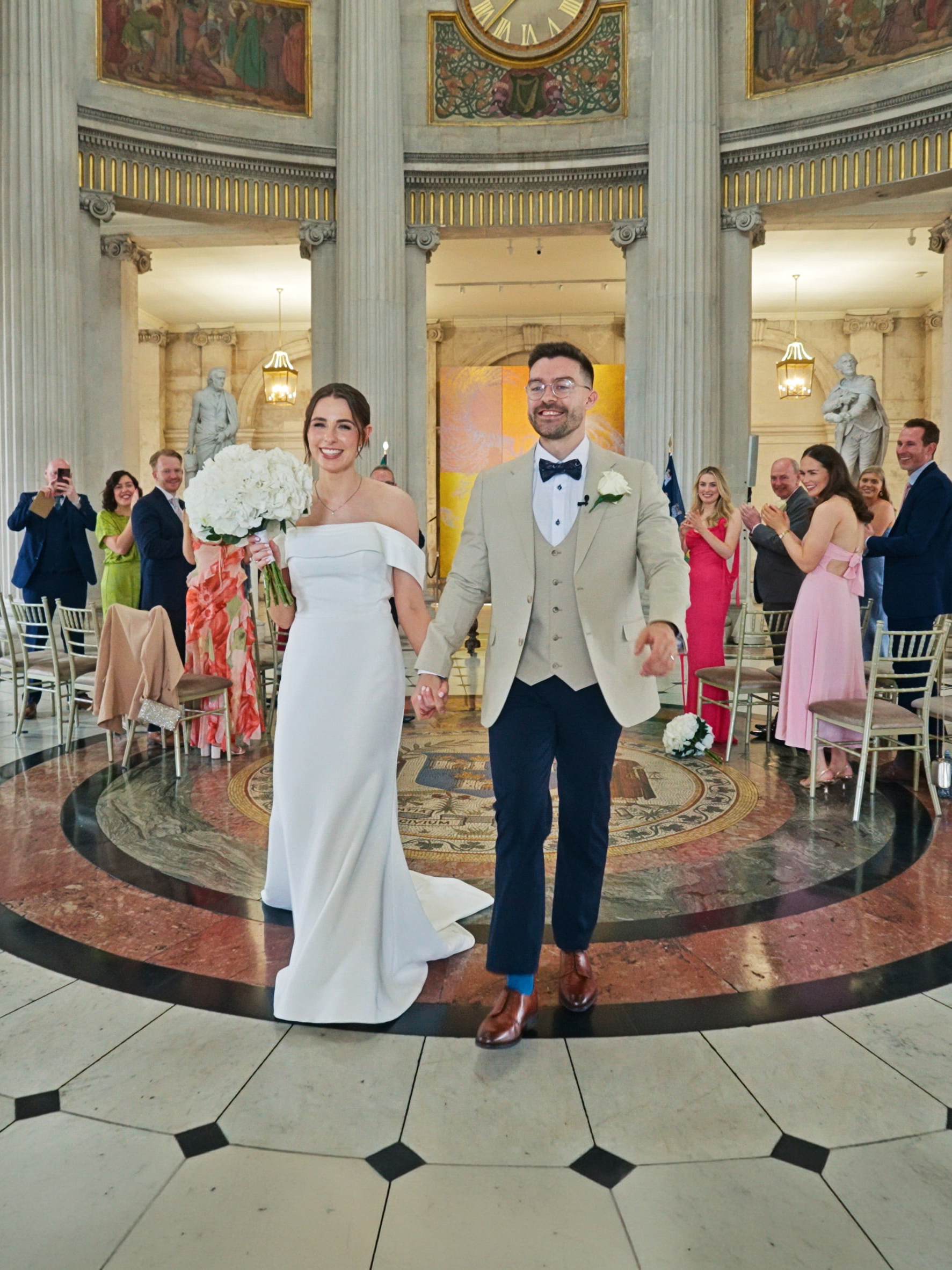
He did the most beautiful job of our wedding video and brought a great energy to the day.
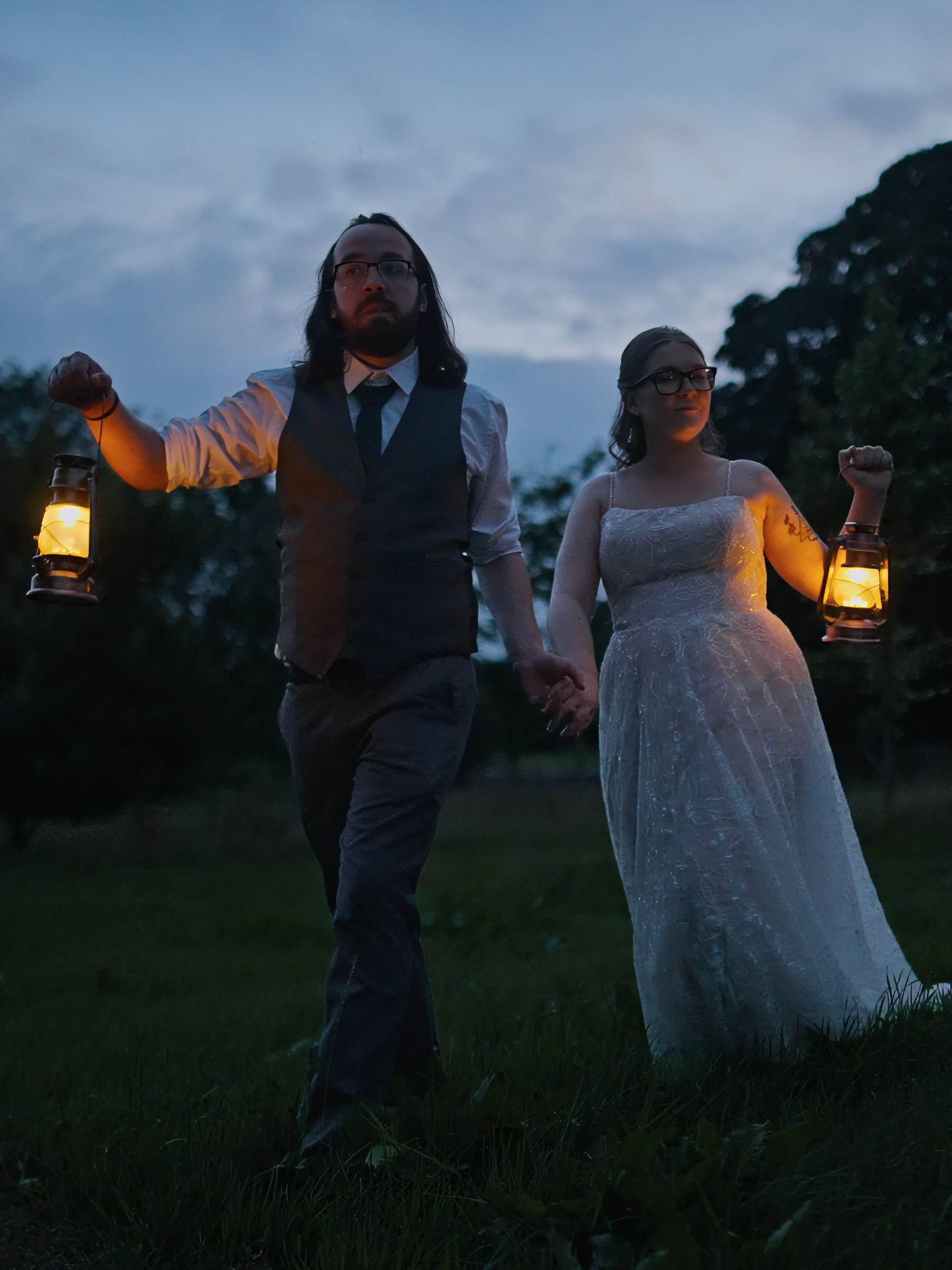
Thoroughly professional throughout the whole day and shot our best moments and some that we didn't even know he was taking!
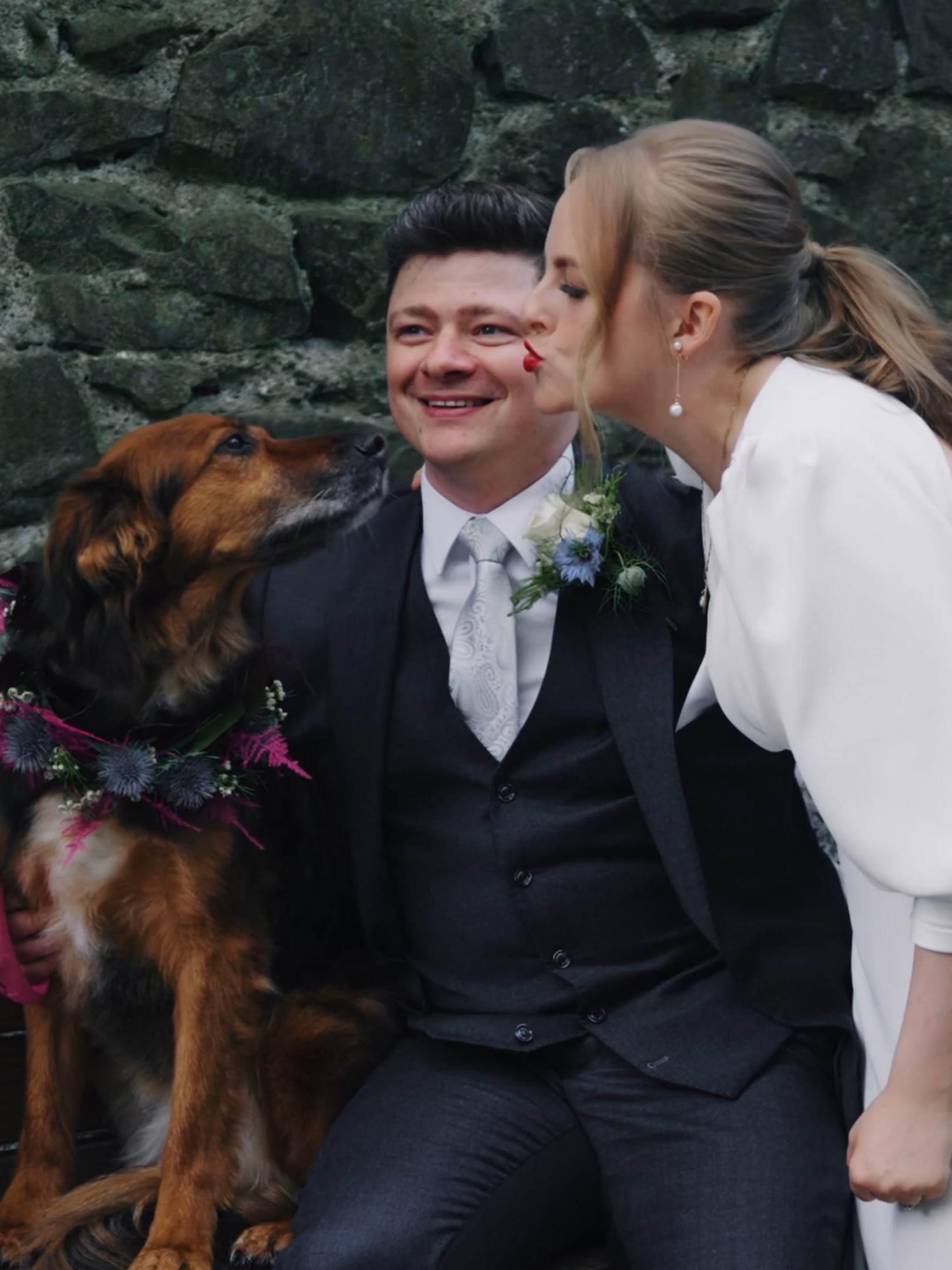
He creates a beautiful and authentic short film of your day.
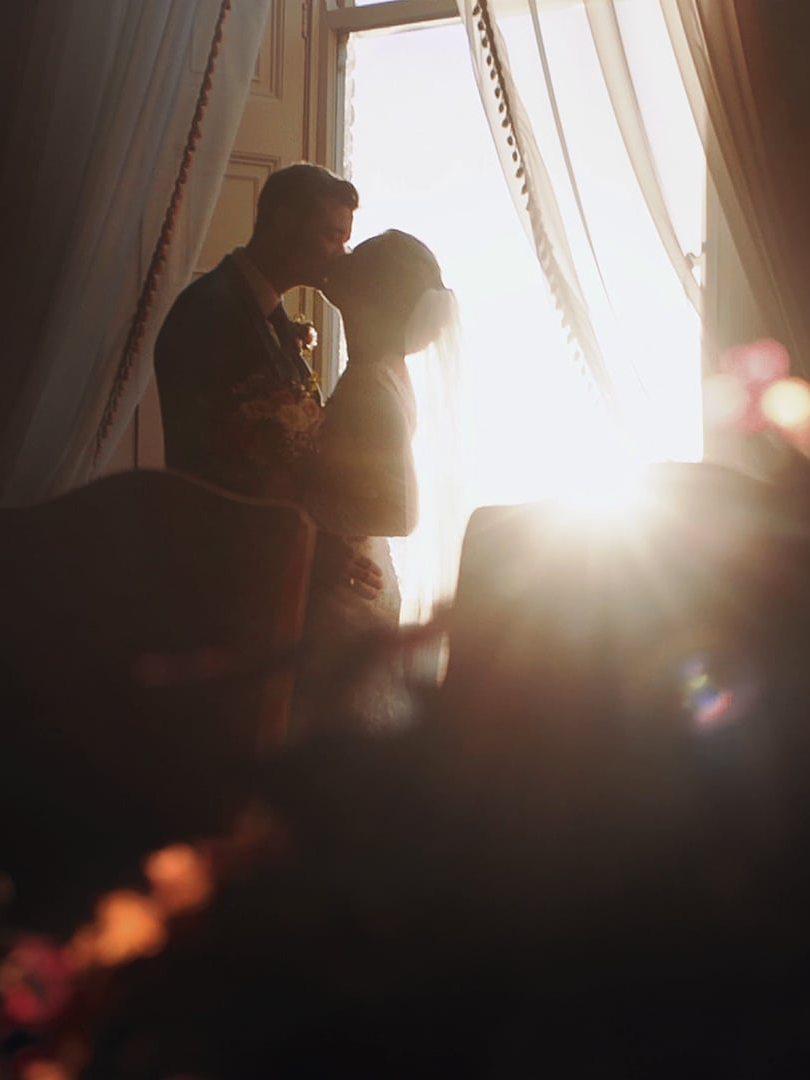
Arthur was so professional and did a wonderful job capturing all the little special moments of the day!
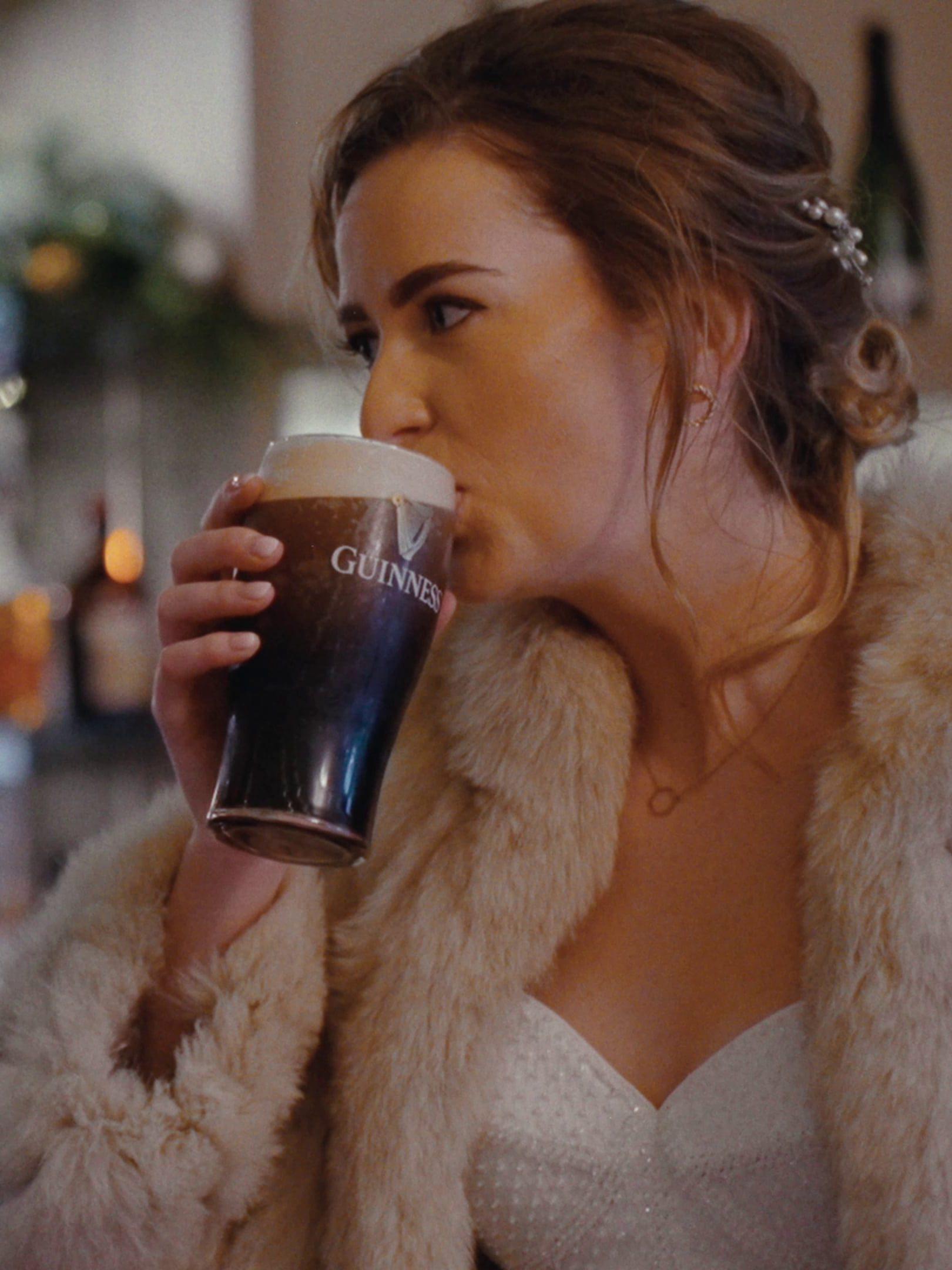
Arthur was amazing. He was so great on the wedding day and his video was incredible, we love it!
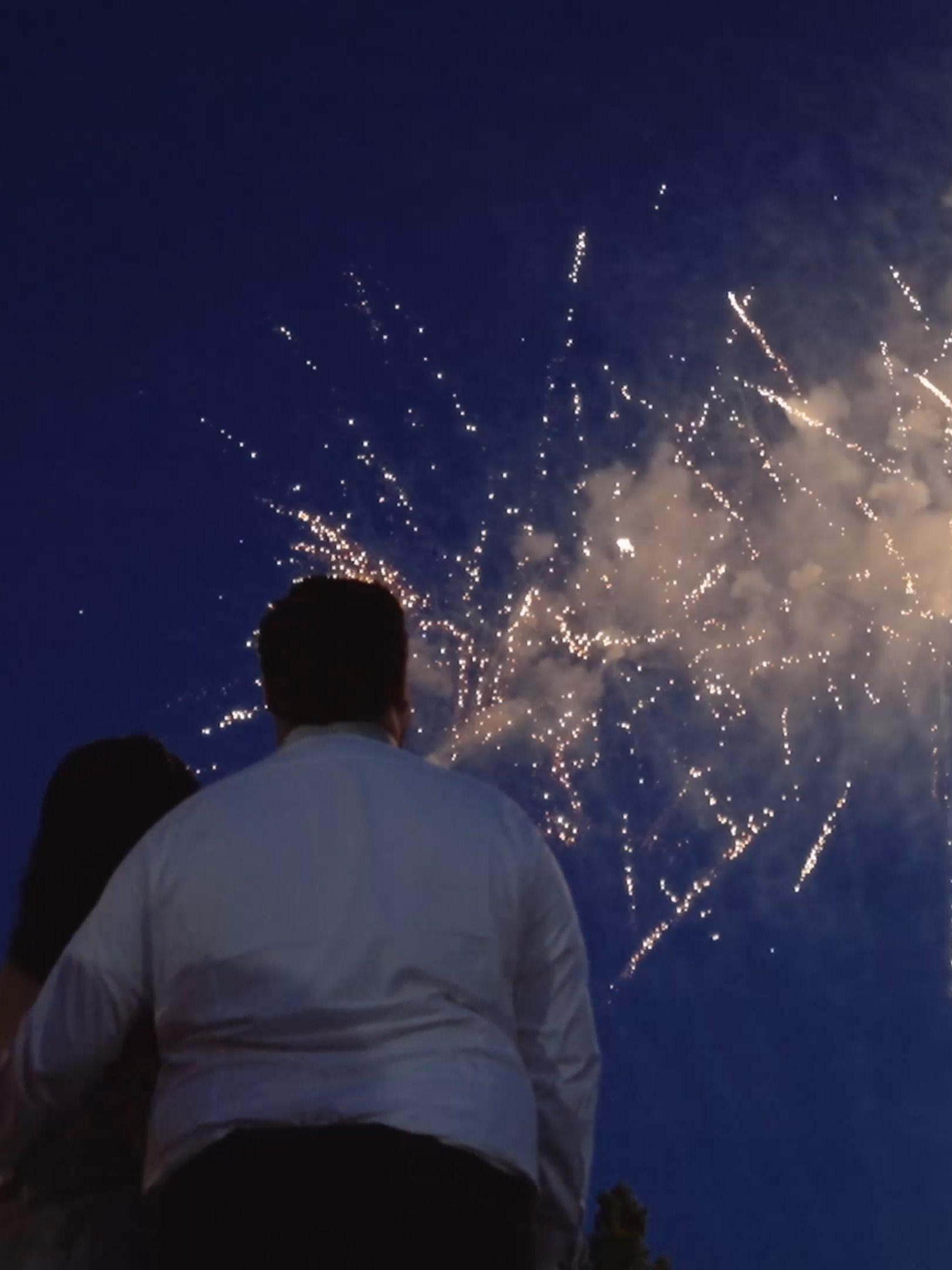
Beautiful video. Arthur is patient, easy to work with and so talented! We LOVE the video.
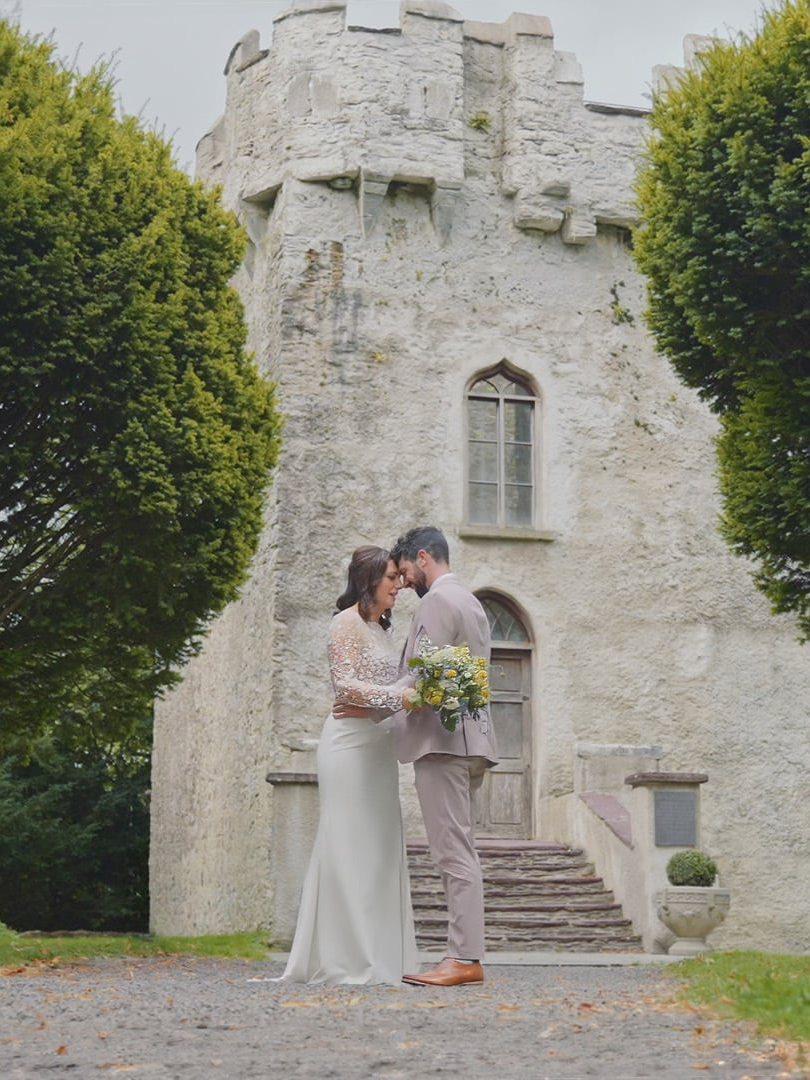
He honestly captured the day with such beauty and edited the film so perfectly. It looked so natural which is exactly what we wanted!
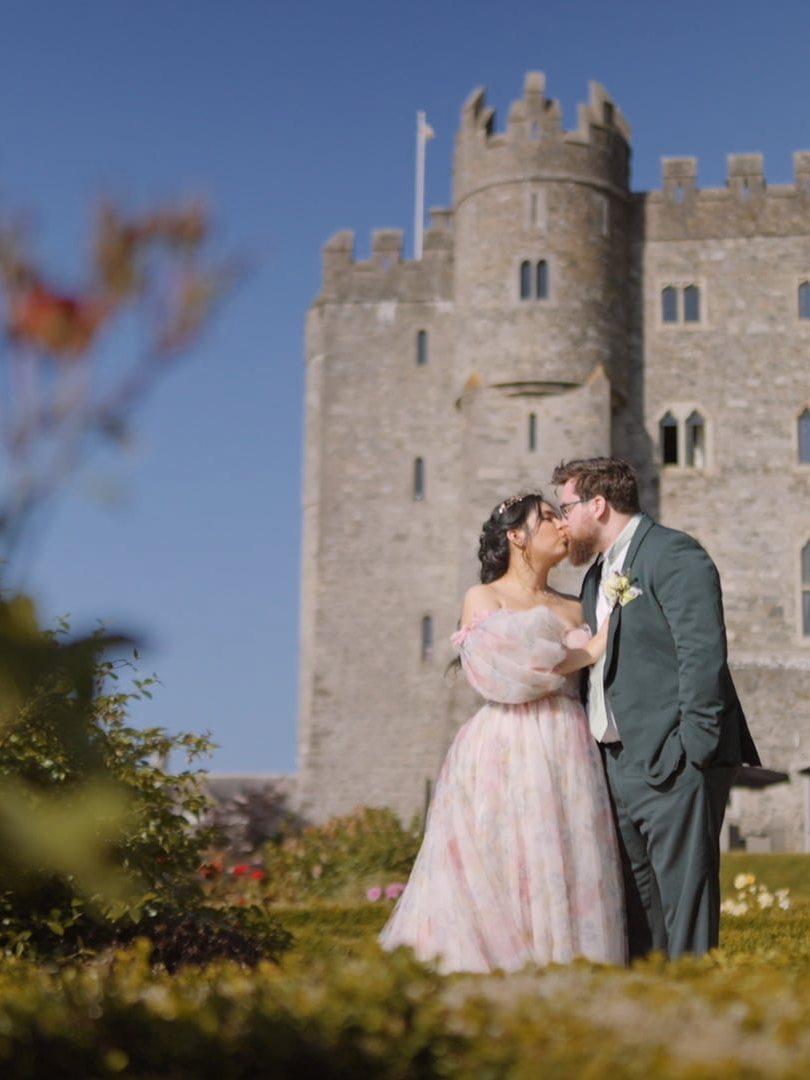
Very, very kind person and does amazing work. My wedding video is stunning.
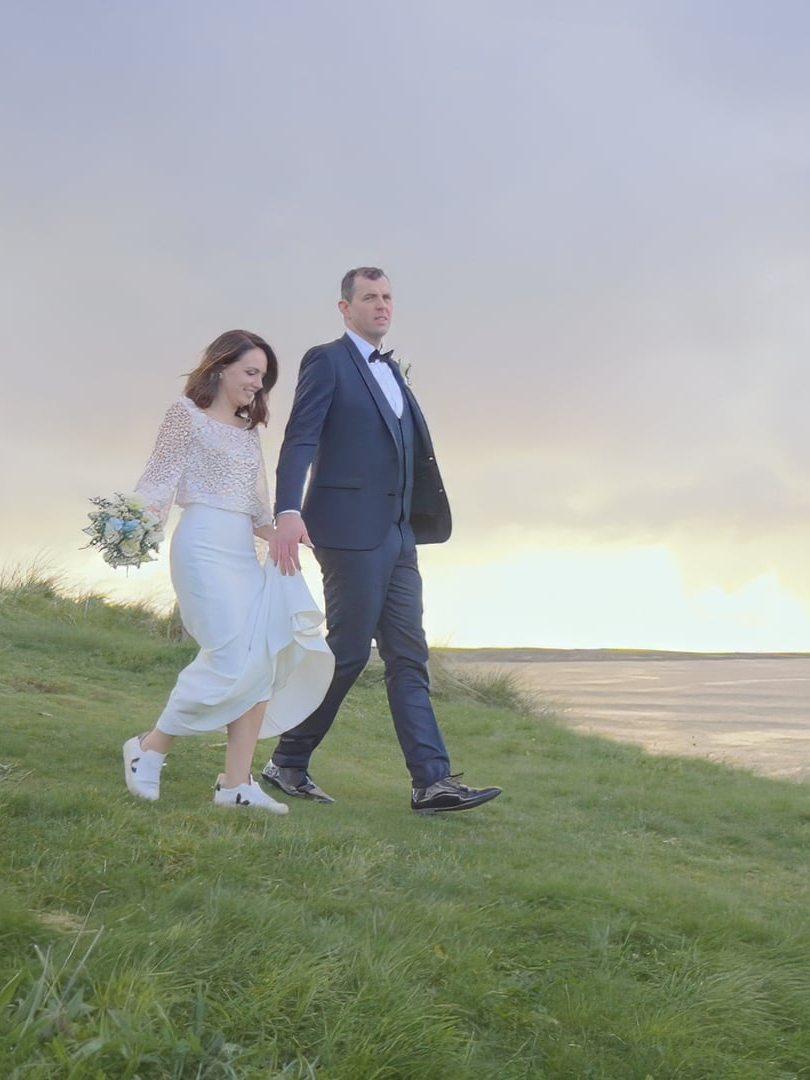
Loved our wedding video and Arthur was fantastic to work with!
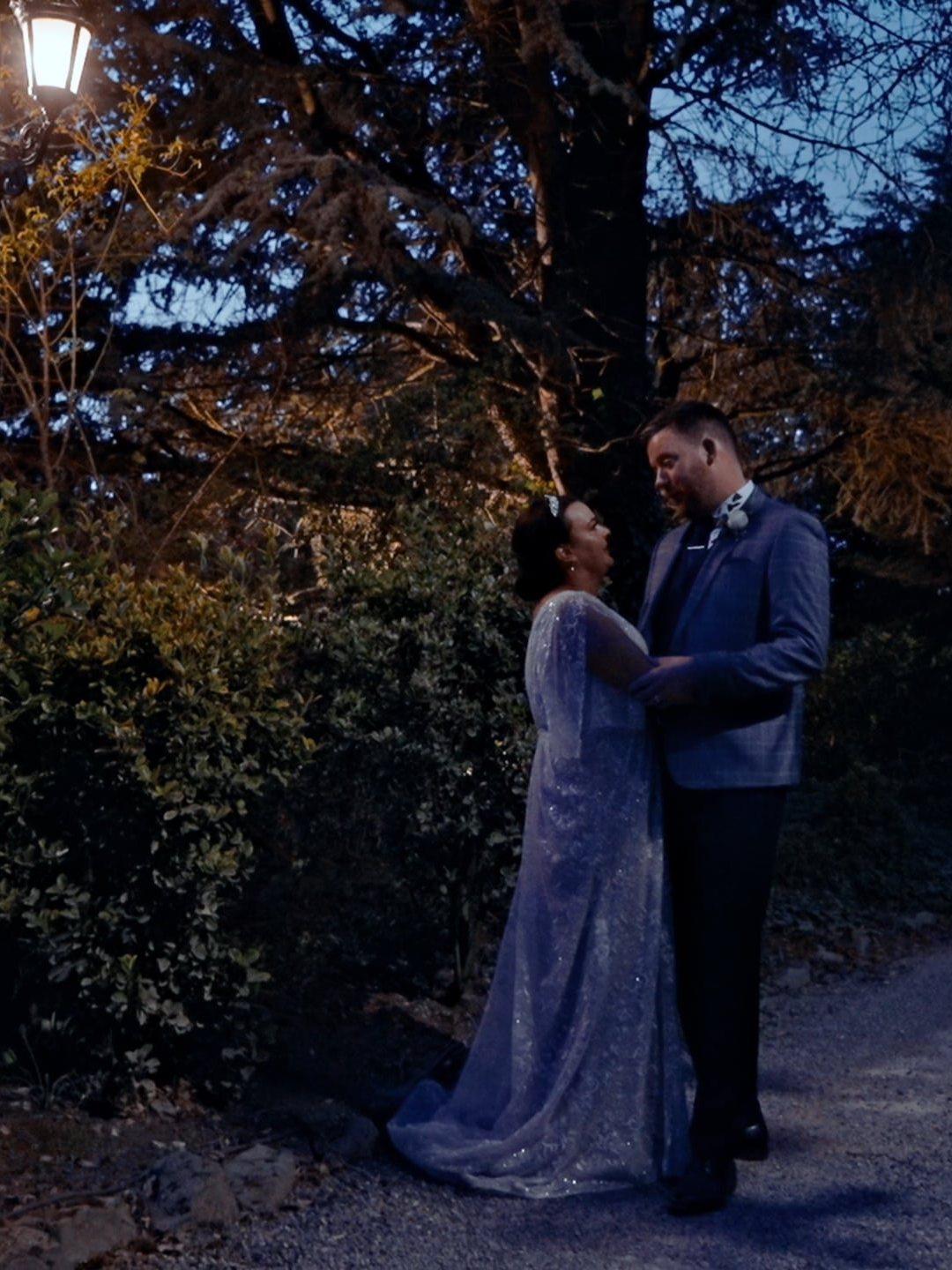
Loved our wedding video and Arthur was fantastic to work with!
Meath has two wedding geographies and one motorway network. Which side of the county you are in changes the venue, the drive and what time the night ends.
Across the county, including Navan, Trim, Kells, Slane, Ashbourne, Dunboyne, Dunshaughlin, Enfield, Athboy, Oldcastle, Laytown and Bettystown. Oak & Oak is based in Wexford, so send the date and the exact preparation, ceremony and reception addresses when you enquire.
Exclusive-use country estates, a castle with its own grounds, converted mills, Georgian manor houses, village hotels and one former railway station. Tankardstown House near Slane, Boyne Hill House outside Navan, Bellinter House on the Boyne and The Millhouse in Slane are useful examples of different formats. They are planning examples, not a claim that Oak & Oak has worked there. Confirm current ceremony, capacity, access and room details directly with each venue.
Start with where your people live. The Boyne Valley side, around Slane, Navan, Trim and Kells, gives you estates, heritage and a rural setting with Dublin still reachable. The southern side, around Ashbourne, Dunboyne and Enfield, is closer to the city and the motorway network, which suits guests who intend to drive home.
A realistic answer about transport, given early. Meath is close to Dublin, which makes people overestimate how easy the trip home is after a full day. Decide whether you are running a coach, which hotels you are recommending, and what time the band will finish. Then put that on the invitations. We plan coverage around the real ending rather than an assumed one.
Not currently for passengers. Meath’s rail options are limited to parts of the county rather than the county town, with Dunboyne and the M3 Parkway on the Dublin commuter line and Laytown on the coastal line towards Drogheda. For most Meath venues, guests arrive by car or coach. Check live timetables and routes before you promise a station as the plan.
These are managed heritage sites with opening hours, visitor traffic and their own rules about access. The monuments at Brú na Bóinne are not a casual photo stop, and Tara and Trim are public places that other people are also visiting. Ask the site directly about photography or filming, and keep the venue grounds as the reliable part of the plan.
The property is yours, which means no strangers in the background and no second wedding turning up for the evening. It also means the venue’s timings become everybody’s timings: supplier access, ceremony setup, the room change between drinks and dinner, and the hour the bar closes. Ask when your suppliers can arrive and where they can park, and pass those answers to us.
Yes, and it is common here. A church in Navan, Trim or Kells with a reception at an estate outside town is a normal Meath day, but the drive is real and the guests will make it in convoy. Send both addresses, the ceremony time and any portrait stop you are considering, and we will tell you honestly what fits.
Ask for the indoor ceremony space, who makes the call and when, and how the room is reset for dinner. On an estate, the drinks reception usually moves into the house, which can be better than the plan. On a village or town wedding, check whether the walk between church and hotel is actually walkable in bad weather.
Then we say so. We prepare from the ceremony space, reception room, grounds, access, supplier rules and timings supplied by you and the venue. That preparation is genuine. It is not a story about knowing the house.
Travel is confirmed once we know the venue and collection. Any fee is put in writing before you book.
Wedding content creation, wedding videography and wedding photography can each be booked on their own. The packages page lists the current two-service combinations. Content creation is filmed vertically on pocket cinema cameras, with coverage from morning preparations until the dancing. Raw clips and edited short-form work depend on the collection.
